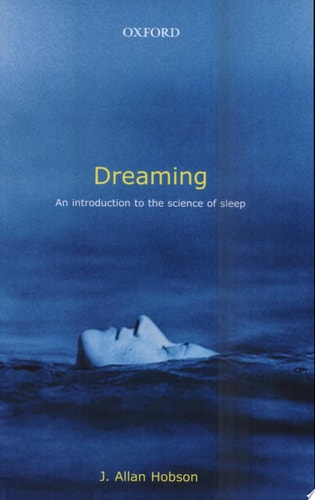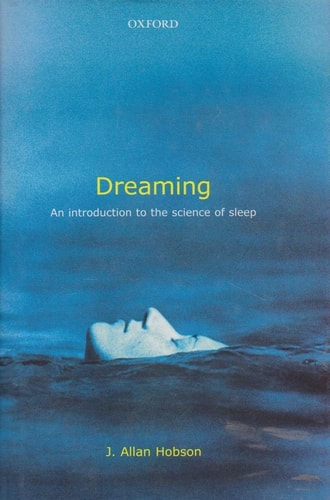
Dreaming: An Introduction to the Science of Sleep
0
0
As an Amazon Associate and affiliate partner, Menrva Books earns from qualifying purchases. Learn more
Author Description
What is dreaming? Why are dreams so strange and why are they so hard to remember? In this fascinating book, Harvard researcher Allan Hobson offers an intriguing look at our nightly odyssey through the illusory world of dreams.Hobson describes how the theory of dreaming has advanced dramatically over the past fifty years, sparked by the use of EEGs in the 1950s and by recent innovations in brain imaging. We have learned for instance that, in dreaming, some areas of the brain are very active--the visual and auditory centers, for instance--while others are completely shut down, including the centers for self-awareness, logic, and memory. Thus we can have visually vivid dreams, but be utterly unaware that the sequence of events or locales may be bizarre and, quite often, impossible. And because the memory center is inactive, we don't remember the dream at all, unless we wake up while it is in progress. Hobson also shows that modern research has disproved most of Freud's The Interpretation of Dreams (as one scientist put it, "Freud was 50% right and 100% wrong"), but we have gained new insight into the nature of mental illness. The book also discusses dream disorders (nightmares, night terrors, sleep walking), the possible link between dreaming and the regulation of body temperature, the effects of sleep deprivation, and much more.With special boxed features that highlight intriguing questions--Do we dream in color? (yes), Do animals dream? (probably), Do men and women dream differently? (no)--Dreaming offers a cutting-edge account of the most mysterious area of our mental life.
Menrva's Summary
THE THESIS
What is the biological and neurological basis of dreaming, and how has modern science replaced older psychoanalytic theories? J. Allan Hobson, a prominent Harvard researcher, utilizes decades of neurobiological data and brain imaging technology to construct a physiological framework for sleep and dreaming. He argues that dreams are the product of specific brain states rather than symbolic manifestations of the unconscious, providing a clear, evidence-based alternative to Freudian interpretations.
THE SCOPE MAP
What You Will Find
- Analysis of brain activity during REM sleep using EEG and imaging data.
- Explanations of sleep disorders including nightmares, night terrors, and sleepwalking.
- Comparative insights into the relationship between dreaming and mental illness.
- Boxed features addressing common questions regarding dream frequency, content, and gender differences.
Scope Limits
- The text does not provide a comprehensive history of dream interpretation outside of the scientific transition from psychoanalysis to neuroscience.
- It does not offer clinical treatment plans for chronic sleep disorders.
THE AUTHORITY PERSPECTIVE
Experts recognize this work as a foundational text for understanding the transition from Freudian dream theory to modern neurobiology. Readers frequently note the accessibility of the prose despite the technical nature of the neurological research presented.
Page Count:
184
Publication Date:
2003-01-16
Publisher:
Oxford University Press
ISBN-10:
0192803042
ISBN-13:
9780192803047
Non-Fiction
Psychology
Science
Physiological Aspects
Neuroscience
Sleep Studies
Community Tags
Similar Books