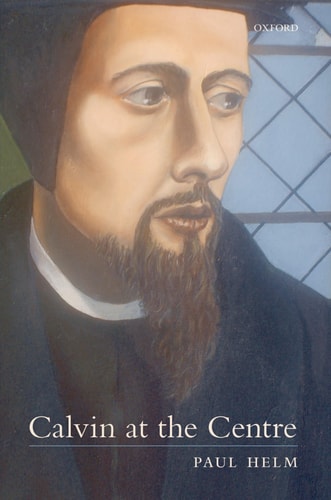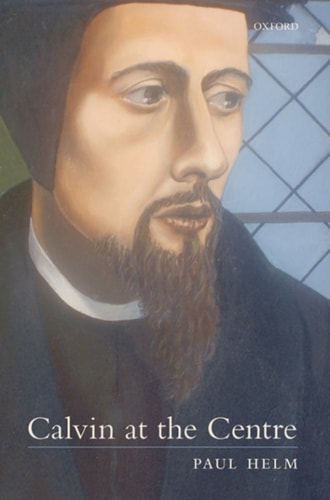
Calvin at the Centre
0
0
As an Amazon Associate and affiliate partner, Menrva Books earns from qualifying purchases. Learn more
Author Description
Calvin at the Centre explores the consequences of various ideas in the thought of John Calvin, and the influence of his ideas on later theologians. The book sets to one side the assumption that Calvin's views are purely biblical and unaffected by the particular intellectual circumstances in which he lived. The emphasis is on philosophical ideas within Calvin's theology, and the chapters are organised to reflect this, dealing in turn with epistemological, metaphysical, and ethical issues. Paul Helm highlights some of the complexities in the relation between Calvin and Calvinism. Like the author's study John Calvin's Ideas (2004), the volume focuses on the coincidence of ideas between Calvin and other thinkers rather than offering an historical account of how such influences were transmitted. Among the topics are: the knowledge of God and of ourselves, Scripture and reason, the visibility of God, providence and predestination, compatibilism, and the intermediate state. The chapters range over thinkers as different as Pierre Bayle and Karl Barth. This illuminating study is relevant to anyone with an interest in Reformation thought, systematic theology, or the philosophy of religion. Helm's approach provides a fresh perspective on Calvin's theological context and legacy.
Menrva's Summary
THE THESIS
This book investigates the philosophical underpinnings of John Calvin’s theology and the subsequent influence of these ideas on later thinkers. Paul Helm, a scholar specializing in Reformed theology and philosophy, challenges the notion that Calvin’s work existed in a vacuum, isolated from the intellectual climate of his era. By analyzing Calvin’s writings through the lens of epistemology, metaphysics, and ethics, Helm constructs a framework that connects Calvin’s core tenets to broader philosophical traditions.
THE SCOPE MAP
What You Will Find
- Analysis of key theological topics including providence, predestination, and compatibilism
- Comparative studies between Calvin and thinkers such as Pierre Bayle and Karl Barth
- Examination of the relationship between Scripture and human reason
- Discussion on the knowledge of God and the intermediate state
Scope Limits
- Does not provide a comprehensive historical account of how specific ideas were transmitted over time
- Focuses primarily on philosophical coincidence rather than biographical or social history
THE AUTHORITY PERSPECTIVE
Scholars and students of systematic theology frequently cite this work for its rigorous analytical approach to Calvin’s intellectual context. Readers often note the academic density of the prose, which is intended for those already familiar with the foundational debates in Reformation studies.
Page Count:
368
Publication Date:
2010-01-01
Publisher:
Oxford University Press
ISBN-10:
0191572144
ISBN-13:
9780191572142
Philosophy
Religion
Calvinism
Systematic Theology
Philosophy of
Theology
Reformation History