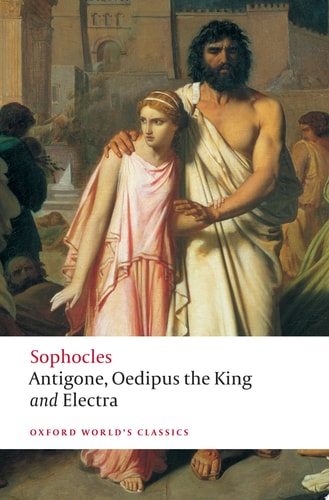
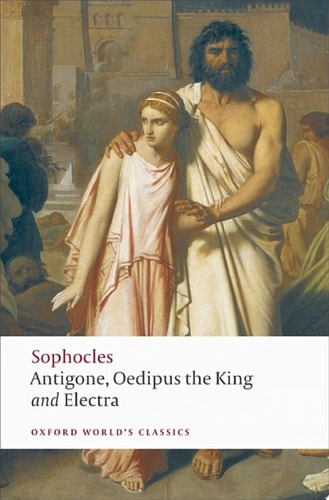
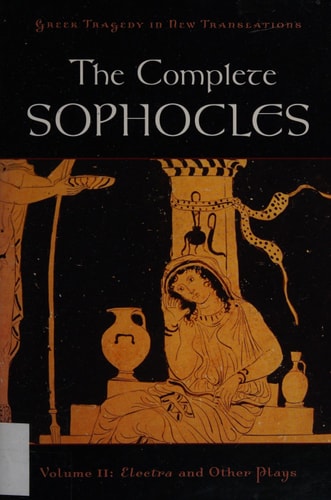
Antigone; Oedipus the King; Electra
0
0
As an Amazon Associate and affiliate partner, Menrva Books earns from qualifying purchases. Learn more
Author Description
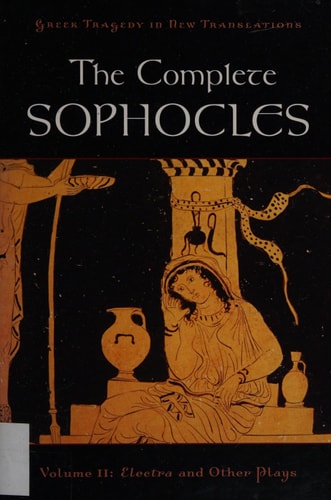
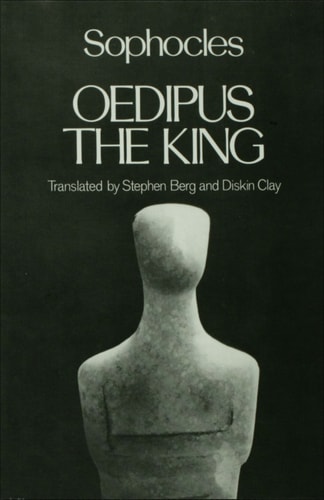
Love and loyalty, hatred and revenge, fear, deprivation, and political ambition: these are the motives which thrust the characters portrayed in these three Sophoclean masterpieces on to their collision course with catastrophe. Recognized in his own day as perhaps the greatest of the Greek tragedians, Sophocles' reputation has remained undimmed for two and a half thousand years. His greatest innovation in the tragic medium was his development of a central tragic figure, faced with a test of will and character, risking obloquy and death rather than compromise his or her principles: it is striking that Antigone and Electra both have a woman as their intransigent 'hero'. Antigone dies rather neglect her duty to her family, Oedipus' determination to save his city results in the horrific discovery that he has committed both incest and parricide, and Electra's unremitting anger at her mother and her lover keeps her in servitude and despair. These vivid translations combine elegance and modernity, and are remarkable for their lucidity and accuracy. Their sonorous diction, economy, and sensitivity to the varied metres and modes of the original musical delivery make them equally suitable for reading or theatrical peformance.
Menrva's Summary
THE PULSE
The central conflict arises when individual moral imperatives collide with the rigid demands of state authority and divine law, leading to inevitable ruin. The protagonists in these three plays—Antigone, Oedipus, and Electra—are defined by their unwavering commitment to personal principles, which forces them into direct opposition with societal expectations and familial obligations. Sophocles utilizes a structured dramatic framework that emphasizes the tragic flaw of the central figure, whose refusal to compromise leads to isolation, suffering, and eventual catastrophe. The narrative focus remains tightly bound to the psychological interiority of these characters as they navigate the physical and logical constraints of their respective worlds, where fate and human agency are inextricably linked.
INSIDE THE PAGES
- Exploration of the conflict between individual conscience and state law
- Development of the tragic hero as a figure of singular, unyielding will
- Use of dramatic irony to heighten the sense of impending doom
- Emphasis on the role of familial duty and blood ties
- Examination of the consequences of hubris and moral rigidity
- Integration of choral odes to provide commentary and thematic context
- Focus on the psychological impact of grief, anger, and revenge
- Stylistic precision that balances formal diction with emotional intensity
THE COLLECTIVE ECHO
Discussion often centers on the enduring relevance of Sophocles' characterizations, particularly the intransigence of his female leads in a patriarchal society. Readers frequently highlight the stark clarity of these translations, noting how they maintain the rhythmic tension necessary for both silent reading and stage performance. Critics often examine the balance between the protagonist's internal drive and the external pressures of the gods and the state. The plays are widely regarded as foundational texts that define the mechanics of tragedy, providing a framework for understanding human suffering and moral choice that remains relevant to contemporary audiences.
Page Count:
222
Publication Date:
1994-01-01
Publisher:
OUP Oxford
ISBN-10:
0191585629
ISBN-13:
9780191585623
Classics
Drama
Professional Career & Trade
Greek Tragedy
Plays
Ancient