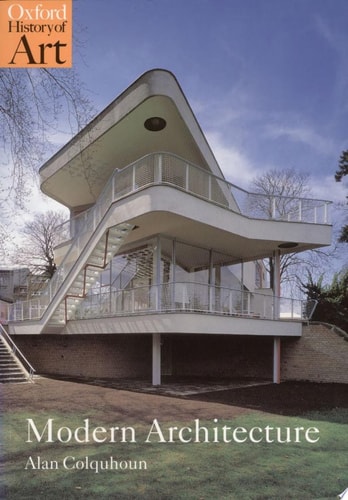
Modern Architecture
0
0
As an Amazon Associate and affiliate partner, Menrva Books earns from qualifying purchases. Learn more
Author Description
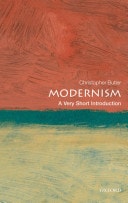
This New Account Of International Modernism Explores The Complex Motivations Behind This Revolutionary Movement And Assesses Its Triumphs And Failures. The Work Of The Main Architects Of The Movement Such As Frank Lloyd Wright, Adolf Loos, Le Corbusier, And Mies Van Der Rohe Is Re-examined Shedding New Light On Their Roles As Acknowledged Masters. Alan Colquhoun Explores The Evolution Of The Movement Fron Art Nouveau In The 1890s To The Megastructures Of The 1960s, Revealing The Often Contradictory Demands Of Form, Function, Social Engagement, Modernity And Tradition.
Menrva's Summary
THE THESIS
This book investigates the complex motivations, contradictions, and historical trajectory of the International Modernism movement in architecture. Alan Colquhoun, a noted architectural theorist and historian, utilizes a critical framework to evaluate the movement's evolution from the late 19th century through the 1960s. By analyzing the work of key figures, he assesses how these architects navigated the conflicting demands of form, function, and social responsibility within a rapidly changing modern world.
THE SCOPE MAP
What You Will Find
- A historical survey of architectural developments from Art Nouveau to 1960s megastructures.
- Critical analysis of major figures including Frank Lloyd Wright, Adolf Loos, Le Corbusier, and Mies van der Rohe.
- Examination of the tension between traditional architectural values and the requirements of modernity.
Scope Limits
- The text focuses primarily on the Western trajectory of the International Style.
- It does not provide an exhaustive catalog of every minor architectural firm or regional variation during this period.
THE AUTHORITY PERSPECTIVE
Experts and architectural historians frequently cite this work as a balanced, scholarly examination of the Modernist movement. Readers often note the academic density of the prose, which serves as a rigorous resource for students and professionals in the field of architectural theory.
Page Count:
288
Publication Date:
2002-01-01
Publisher:
Oup Oxford
ISBN-10:
0191592641
ISBN-13:
9780191592645
Non-Fiction
Architecture
Art History
Design Theory
Modernism
Community Tags
Other Editions(3)
Similar Books