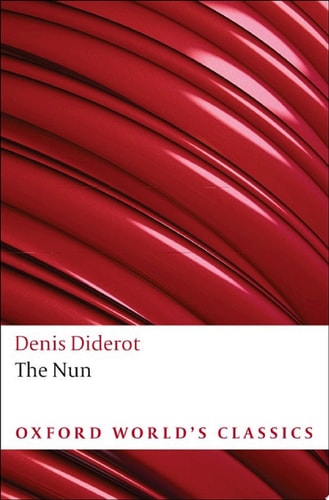
The Nun
0
0
As an Amazon Associate and affiliate partner, Menrva Books earns from qualifying purchases. Learn more
Author Description
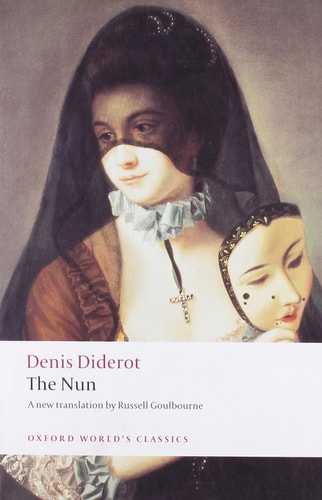
'You can leave a forest, but you can never leave a cloister; you are free in the forest, but you are a slave in the cloister.' Diderot's The Nun (La Religieuse) is the seemingly true story of a young girl forced by her parents to enter a convent and take holy orders. A novel mingling mysticism, madness, sadistic cruelty and nascent sexuality, it gives a scathing insight into the effects of forced vocations and the unnatural life of the convent. A succès de scandale at the end of the eighteenth century, it has attracted and unsettled readers ever since. For Diderot's novel is not simply a story of a young girl with a bad habit; it is also a powerfully emblematic fable about oppression and intolerance. This new translation includes Diderot's all-important prefatory material, which he placed, disconcertingly, at the end of the novel, and which turns what otherwise seems like an exercise in realism into what is now regarded as a masterpiece of proto-modernist fiction. ABOUT THE SERIES: For over 100 years Oxford World's Classics has made available the widest range of literature from around the globe. Each affordable volume reflects Oxford's commitment to scholarship, providing the most accurate text plus a wealth of other valuable features, including expert introductions by leading authorities, helpful notes to clarify the text, up-to-date bibliographies for further study, and much more.
Menrva's Summary
THE PULSE
Suzanne Simonin, a young woman coerced into religious life against her will, struggles to reclaim her autonomy within the rigid and often cruel confines of eighteenth-century convent walls. Forced into a cloister by her parents, Suzanne faces systemic abuse, psychological manipulation, and the stifling expectations of the church. The narrative framework utilizes an epistolary style, presenting her plight through letters that document her attempts to escape and her encounters with various mother superiors. Her objective is simple survival and the pursuit of freedom, yet she is constantly thwarted by the institutional power of the convent and the societal norms that demand her submission.
INSIDE THE PAGES
- Epistolary narrative structure using letters as the primary medium
- Exploration of the psychological effects of forced isolation
- Critique of eighteenth-century religious institutions
- Examination of power dynamics between authority figures and subordinates
- Realistic depiction of convent life and internal politics
- Integration of proto-modernist literary techniques
- Inclusion of prefatory material that challenges the reader's perception of reality
- Themes of bodily autonomy and individual liberty
THE COLLECTIVE ECHO
Readers and critics frequently discuss the novel's biting social commentary regarding the intersection of religion and personal freedom. The pacing is often noted for its intensity, as the protagonist moves from one oppressive environment to another, heightening the sense of entrapment. Discussion often centers on the author's ability to blend realistic observation with a broader, more symbolic critique of institutional intolerance. Many highlight the unsettling nature of the narrative, which remains effective at provoking debate about the ethics of forced vocations even centuries after its initial publication.
Page Count:
233
Publication Date:
2005-01-01
Publisher:
OUP Oxford
ISBN-10:
0191604593
ISBN-13:
9780191604591
English
Nuns
Philosophical
Historical
English & College Success
French literature
classic
Epistolary
Community Tags
Other Editions(6)


Similar Books












Reader Comments
Share Your Thoughts
No comments yet. Be the first to share your thoughts!