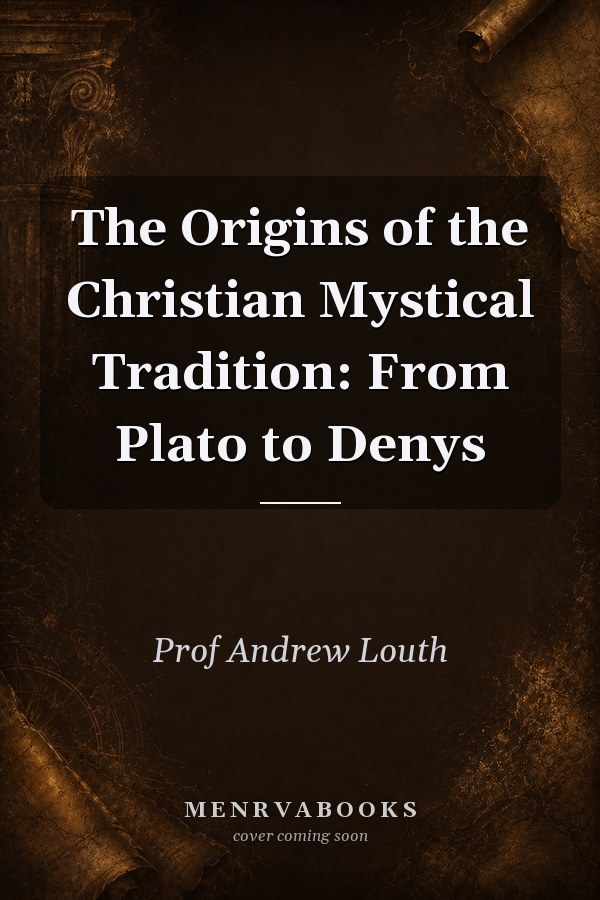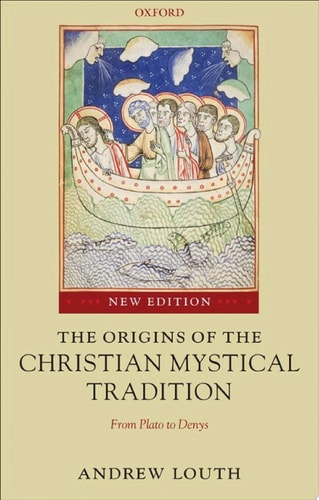
The Origins of the Christian Mystical Tradition: From Plato to Denys
0
0
As an Amazon Associate and affiliate partner, Menrva Books earns from qualifying purchases. Learn more
Author Description
Scholars of the patristic era have paid more attention to the dogmatic tradition in their period than to the development of Christian mystical theology. Andrew Louth aims to redress the balance. Recognizing that the intellectual form of this tradition was decisively influenced by Platonic ideas of the soul's relationship to God, Louth begins with an examination of Plato and Platonism. The discussion of the Fathers which follows shows how the mystical tradition is at the heart of their thought and how the dogmatic tradition both moulds and is the reflection of mystical insights and concerns. This new edition of a classic study of the diverse influences upon Christian spirituality includes a new Epilogue which brings the text completely up to date.
Menrva's Summary
THE THESIS
How did the intersection of Platonic philosophy and early Christian theology shape the development of the mystical tradition? Professor Andrew Louth investigates the historical and intellectual foundations of Christian mysticism, arguing that it cannot be separated from the dogmatic developments of the early Church. By analyzing the influence of Platonic thought on the soul's relationship to the divine, Louth demonstrates that mystical theology is central to the patristic tradition rather than a peripheral concern. The work provides a systematic examination of how these philosophical frameworks were integrated into the spiritual life of the early Church Fathers.
THE SCOPE MAP
What You Will Find
- Analysis of Platonic and Neoplatonic philosophical frameworks
- Examination of key patristic figures and their mystical insights
- Discussion on the interplay between dogmatic theology and spiritual practice
- A comprehensive epilogue updating the study for contemporary scholarship
Scope Limits
- The text focuses primarily on the early patristic period and does not cover medieval or modern mystical developments in depth
- It does not provide a general history of Christian spirituality, focusing instead on the intellectual and theological origins
THE AUTHORITY PERSPECTIVE
Scholars and students of theology frequently cite this work as a foundational text for understanding the philosophical roots of Christian mysticism. Readers often note the academic rigor of the prose, which balances historical context with complex theological analysis.
Page Count:
244
Publication Date:
2007-01-01
Publisher:
OUP Oxford
ISBN-10:
0191608777
ISBN-13:
9780191608773
Religion
Philosophy
Fathers of the church
History of Ideas
Mysticism
Christian Theology
Patristics