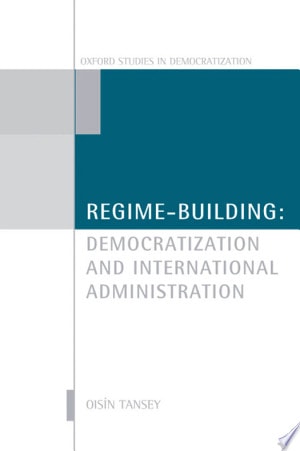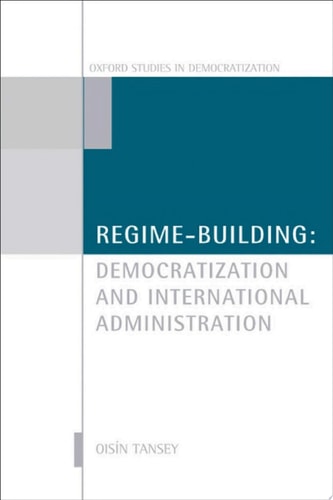
Regime-Building: Democratization and International Administration
0
0
As an Amazon Associate and affiliate partner, Menrva Books earns from qualifying purchases. Learn more
Author Description
This book is a study of regime change in the context of international administration, where the United Nations and other multilateral organisations hold temporary executive authority at the domestic level. Work on the politics of state-building has highlighted how these administration operations can influence nearly every aspect of politics in the country or territory in which they are deployed. This book concentrates in particular on the 'regime-building' practices of these missions, and examines the aims and influences of international administrations in the area of democratic development, as well as their ultimate impact on the process of regime change. Through a comparative analysis of events in Bosnia, Kosovo and East Timor, the book demonstrates how external actors assume positions of power conventionally held by domestic elites, and in so doing gain the ability to affect democratic development in ways unavailable to international actors in more conventional settings. In particular, the case studies highlight the ways in which the democracy promotion objectives of international administrators can have both positive and negative effects on democratization processes, with the presence of international authorities helping to rule out non-democratic options in some areas, while at times undermining democratic development in others. The book identifies the key international actors involved, highlights the mechanisms of influence available to them in these contexts, and explores the crucial mediating role of domestic actors and structures. Oxford Studies in Democratization is a series for scholars and students of comparative politics and related disciplines. Volumes concentrate on the comparative study of the democratization process that accompanied the decline and termination of the cold war. The geographical focus of the series is primarily Latin America, the Caribbean, Southern and Eastern Europe, and relevant experiences in Africa and Asia. The series editor is
Menrva's Summary
THE THESIS
How does the temporary exercise of executive authority by international organizations influence the trajectory of democratization in post-conflict territories? Oisín Tansey, a scholar of comparative politics, investigates the intersection of international administration and domestic regime change. By analyzing the mechanisms through which external actors replace domestic elites, the book argues that international missions possess unique, albeit inconsistent, capacities to shape democratic outcomes.
THE SCOPE MAP
What You Will Find
- Comparative analysis of international administration in Bosnia, Kosovo, and East Timor.
- Examination of mechanisms used by international actors to influence domestic political structures.
- Assessment of the mediating role played by local actors and existing institutional frameworks.
Scope Limits
- The analysis focuses primarily on cases of direct international executive authority rather than broader, less intrusive forms of democracy promotion.
- The study does not provide a comprehensive history of all UN-led missions, concentrating instead on those with significant regime-building mandates.
THE AUTHORITY PERSPECTIVE
Scholars in the field of international relations identify this work as a rigorous examination of the complexities inherent in external democracy promotion. Readers frequently note the academic density of the prose, which serves as a foundational text for students of comparative politics and international administration.
Page Count:
278
Publication Date:
2009-01-01
Publisher:
OUP Oxford
ISBN-10:
0191609773
ISBN-13:
9780191609770
International Administration
Comparative Politics
International relations
State Building
Professional Career & Trade
Community Tags
Similar Books