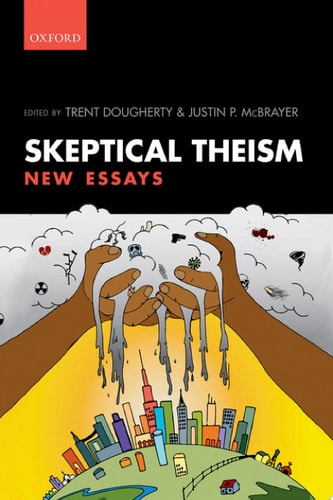
Skeptical Theism: New Essays
0
0
As an Amazon Associate and affiliate partner, Menrva Books earns from qualifying purchases. Learn more
Author Description
Given that we meet evils in every quarter of the world, could it be governed by an all-good and all-powerful deity? Whilst some philosophers argue that the problem of evil is strong evidence for atheism, others claim that all of the evils in our world can be explained as requirements for deeper goods. On the other hand, skeptical theists believe in God, but struggle with the task of explaining the role of evils in our world. Skeptical theism tackles the problem of evil by proposing a limited skepticism about the purposes of God, and our abilities to determine whether any given instance is truly an example of gratuitous evil. This collection, of 22 original essays, presents cutting-edge work on skeptical theistic responses to the problem of evil and the persistent objections that such responses invite. Divided into four sections, the volume discusses the epistemology of sceptical theism, conditions of reasonable epistemic access, the implications for theism, and the implications for morality.
Menrva's Summary
THE THESIS
This volume investigates whether the existence of evil in the world is logically compatible with the existence of an all-good and all-powerful deity. The editors, Justin P. McBrayer and Trent Dougherty, curate a collection of 22 original essays that examine the framework of skeptical theism. The contributors analyze the limits of human knowledge regarding divine purposes and evaluate the validity of skeptical responses to the problem of evil.
THE SCOPE MAP
What You Will Find
- Epistemological foundations of skeptical theism
- Analysis of epistemic access and divine intent
- Implications of skeptical theism for moral reasoning
- Critical responses to objections against theistic defenses
Scope Limits
- Does not provide a definitive proof for the existence of God
- Does not cover non-Western theological perspectives on evil
THE AUTHORITY PERSPECTIVE
Experts identify this collection as a primary resource for contemporary debates in philosophy of religion. Readers frequently note the academic density of the prose, which is intended for scholars and advanced students of theology.
Page Count:
368
Publication Date:
2014-01-01
Publisher:
OUP Oxford
ISBN-10:
0191637114
ISBN-13:
9780191637117
Philosophy
Religion
Epistemology
Ethics
Theology
Metaphysics
Good & Evil
Special Topics
Theodicy
Community Tags
Similar Books