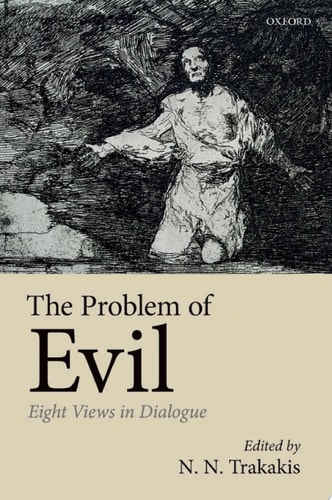
The Problem of Evil: Eight Views in Dialogue
0
0
As an Amazon Associate and affiliate partner, Menrva Books earns from qualifying purchases. Learn more
Author Description
One of those rare questions in philosophy that is not only technically recalcitrant but also engages the hearts and minds of the broad community is the so-called 'problem of evil': How can the existence of an absolutely perfect God be reconciled with the existence of suffering and evil? This collection of dialogues between eight philosophers of religion explores new ways of thinking about this longstanding problem, in the process reorienting and reinvigorating the philosophical debate around the relationship between God, goodness and evil: How exactly are these three notions connected, if at all? Is God the cause, or author, of evil and suffering? How is the goodness of God to be understood, and how is divine goodness related to human morality? Does God's perfect goodness entail that God must have reasons for permitting or bringing about suffering, and if so what could his reasons be? These questions are of momentous existential and theoretical interest, and they have exercised the finest intellects across the centuries. The time is ripe for a wholesale reconsideration of the problem of evil. To make progress towards this goal, eight distinct perspectives are placed in mutual dialogue, giving voice to both traditional and relatively unorthodox approaches. What emerges from these critical but friendly exchanges is a diversity of fruitful and innovative ways of thinking about the nature of divinity and its relationship to evil.
Menrva's Summary
THE THESIS
This book investigates the logical and existential compatibility of an omnipotent, perfectly good deity with the pervasive reality of suffering and evil in the world. N. N. Trakakis, a scholar specializing in the philosophy of religion, curates a series of structured dialogues involving eight contemporary philosophers. The text utilizes a dialectical framework to examine whether divine goodness can be reconciled with the presence of evil, questioning if God functions as an author of suffering or if such phenomena are necessitated by divine reasons.
THE SCOPE MAP
What You Will Find
- A comparative analysis of eight distinct philosophical perspectives on theodicy.
- A structured dialogue format that pits traditional theological views against unorthodox interpretations.
- Explorations into the definitions of divine goodness and its relationship to human moral frameworks.
Scope Limits
- The text does not provide a singular, definitive solution to the problem of evil.
- It does not focus on empirical scientific explanations for suffering, remaining strictly within the realm of philosophical and theological inquiry.
THE AUTHORITY PERSPECTIVE
Scholars and students of philosophy frequently cite this work as a valuable pedagogical tool for understanding the breadth of modern theodicy. Experts highlight the text's ability to present complex metaphysical arguments in a clear, accessible format that encourages critical engagement with the subject matter.
Page Count:
243
Publication Date:
2018-01-01
Publisher:
OUP Oxford
ISBN-10:
019255476X
ISBN-13:
9780192554765
Philosophy
Religion
Theology
Metaphysics
Ethics
Good & Evil
Community Tags
Similar Books