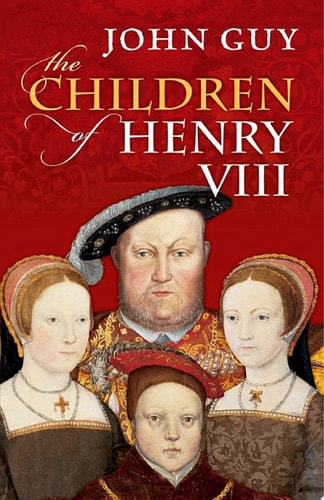
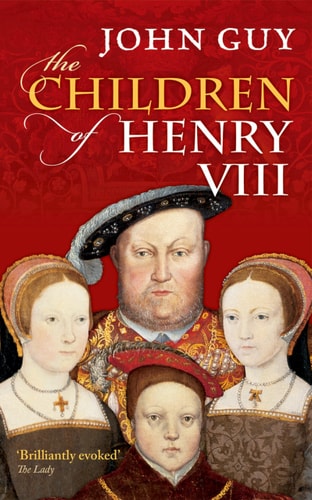
The Children of Henry VIII
0
0
As an Amazon Associate and affiliate partner, Menrva Books earns from qualifying purchases. Learn more
Author Description
Behind the façade of politics and pageantry at the Tudor court, there was a family drama. Nothing drove Henry VIII, England's wealthiest and most powerful king, more than producing a legitimate male heir and so perpetuating his dynasty. To that end, he married six wives, became the subject of the most notorious divorce case of the sixteenth century, and broke with the pope, all in an age of international competition and warfare, social unrest and growing religious intolerance and discord. Henry fathered four living children, each by a different mother. Their interrelationships were often scarred by jealously, mutual distrust, sibling rivalry, even hatred. Possessed of quick wits and strong wills, their characters were defined partly by the educations they received, and partly by events over which they had no control. Henry Fitzroy, Duke of Richmond, although recognized as the king's son, could never forget his illegitimacy. Edward died while still in his teens, desperately plotting to exclude his half-sisters from the throne. Mary's world was shattered by her mother's divorce and her own unhappy marriage. Elizabeth was the most successful, but also the luckiest. Even so, she lived with the knowledge that her father had ordered her mother's execution, was often in fear of her own life, and could never marry the one man she truly loved. Henry's children idolized their father, even if they differed radically over how to perpetuate his legacy. To tell their stories, John Guy returns to the archives, drawing on a vast array of contemporary records, personal letters, and first-hand accounts.
Menrva's Summary
THE THESIS
This work investigates how the complex personal dynamics and upbringing of Henry VIII's four surviving children shaped the political stability and religious trajectory of the Tudor dynasty. John Guy, a historian specializing in the Tudor period, utilizes a wealth of primary source material, including personal correspondence and state records, to reconstruct the private lives of the royal siblings. He argues that their individual characters, forged by their father's obsession with succession and their own precarious positions, dictated the course of English history during the mid-sixteenth century.
THE SCOPE MAP
What You Will Find
- Detailed biographical accounts of Henry Fitzroy, Edward VI, Mary I, and Elizabeth I.
- Analysis of the impact of the English Reformation on royal family relations.
- Examination of the educational and political influences on the Tudor heirs.
Scope Limits
- The text does not provide a comprehensive military history of the era.
- It does not focus on the broader social history of the common people in Tudor England.
THE AUTHORITY PERSPECTIVE
Historians and readers frequently praise this work for its meticulous use of archival evidence to humanize the Tudor monarchs. Experts highlight this as a balanced account that successfully bridges the gap between academic rigor and accessible narrative history.
Page Count:
285
Publication Date:
2013-01-01
Publisher:
OUP Oxford
ISBN-10:
0191655945
ISBN-13:
9780191655944
Biography
History
European History
British History
Tudor Dynasty
Tudor House Of
Community Tags
Other Editions(3)

Similar Books