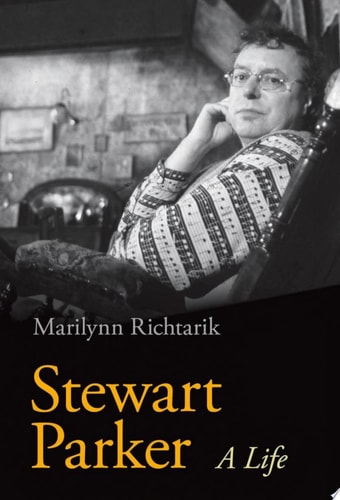
Stewart Parker: A Life
0
0
As an Amazon Associate and affiliate partner, Menrva Books earns from qualifying purchases. Learn more
Author Description
Born in Belfast during World War II, raised in a working-class Protestant family, and educated on scholarship at Queen's University, writer Stewart Parker's story is in many ways the story of his generation. Other aspects of his personal history, though, such as the amputation of his left leg at age 19, helped to create an extraordinarily perceptive observer and commentator. Steeped in American popular culture as a child and young adult, he spent five years teaching in the United States before returning to Belfast in August 1969, the same week British troops responded to sectarian disturbances there. Parker had developed a sense of writing as a form of political action in the highly charged atmosphere of the US in the late 1960s, which he applied in many and varied capacities throughout the worst years of the Troubles to express his own socialist and secular vision of Northern Irish potential. As a young aspiring poet and novelist, he supported himself with free-lance work that brought him into contact with institutions ranging from BBC Northern Ireland to the Irish Times (for which he wrote personal columns and the music review feature High Pop) and from the Queen's University Extramural Department to Long Kesh internment camp (where his creative writing students included Gerry Adams). It is as a playwright, however, that Parker earned a permanent spot in the literary canon with drama that encapsulates his experience of Northern Ireland in the 1970s. Marilynn Richtarik's Stewart Parker: A Life illuminates the genesis, development, and meaning of such classic plays as Spokesong, Northern Star, and Pentecost - works that continue to shed light on the North's past, present, and future - in the context of Parker's life and times. Meticulously researched and engagingly written, this critical biography rewards general readers and specialists alike.
Menrva's Summary
THE THESIS
This biography investigates how Stewart Parker’s personal experiences with disability and his exposure to American political culture shaped his unique contribution to Northern Irish drama during the Troubles. Marilynn J. Richtarik, a scholar of Irish literature, utilizes extensive archival research and primary source interviews to construct a comprehensive account of Parker’s life. The book argues that Parker’s work functioned as a form of political action, reflecting his socialist and secular vision for Northern Ireland through his plays and journalistic endeavors.
THE SCOPE MAP
What You Will Find
- A detailed account of Parker’s upbringing in Belfast and his formative years in the United States.
- Analysis of the creative development behind major plays including Spokesong, Northern Star, and Pentecost.
- Documentation of Parker’s diverse professional roles, from BBC contributor to creative writing instructor at Long Kesh.
Scope Limits
- The text focuses primarily on Parker’s literary and political life, offering less detail on his private domestic life outside of his professional trajectory.
THE AUTHORITY PERSPECTIVE
Critics and scholars recognize this work as a definitive and meticulously researched account of Parker’s life and artistic output. Readers frequently note the academic rigor of the prose, which provides a foundational resource for those studying the intersection of Irish theater and the political climate of the late twentieth century.
Page Count:
450
Publication Date:
2012-01-01
Publisher:
OUP Oxford
ISBN-10:
0191655171
ISBN-13:
9780191655173
Biography
Drama
English & College Success
Dramatists biography
Theater History
Irish History
Authors Irish
English
Literary Criticism
The Troubles
Biography Autobiography
Community Tags
Other Editions(3)
Similar Books



Reader Comments
Share Your Thoughts
No comments yet. Be the first to share your thoughts!