
Anna Karenina
0
0
As an Amazon Associate and affiliate partner, Menrva Books earns from qualifying purchases. Learn more
Author Description
Love... it means too much to me, far more than you can understand. At its simplest, Anna Karenina is a love story. It is a portrait of a beautiful and intelligent woman whose passionate love for a handsome officer sweeps aside all other ties - to her marriage and to the network of relationships and moral values that bind the society around her. The love affair of Anna and Vronsky is played out alongside the developing romance of Kitty and Levin, and in the character of Levin, closely based on Tolstoy himself, the search for happiness takes on a deeper philosophical significance. One of the greatest novels ever written, Anna Karenina combines penetrating psychological insight with an encyclopedic depiction of Russian life in the 1870s. The novel takes us from high society St Petersburg to the threshing fields on Levin's estate, with unforgettable scenes at a Moscow ballroom, the skating rink, a race course, a railway station. It creates an intricate labyrinth of connections that is profoundly satisfying, and deeply moving. Rosamund Bartlett's translation conveys Tolstoy's precision of meaning and emotional accuracy in an English version that is highly readable and stylistically faithful. Like her acclaimed biography of Tolstoy, it is vivid, nuanced, and compelling.
Menrva's Summary
THE PULSE
The illicit affair between Anna Karenina and Count Vronsky threatens to dismantle the rigid social structures of 1870s Russian aristocracy. Anna, a woman of high standing, risks her reputation and family stability by pursuing a passionate relationship that defies the moral expectations of her peers. Her objective is to find personal fulfillment outside of a loveless marriage, while the opposing forces of societal judgment and internal guilt create a tightening trap. The narrative employs a third-person omniscient perspective to weave together the lives of multiple characters, contrasting Anna's tragic trajectory with the domestic and spiritual growth of Konstantin Levin. The world is defined by the stark divide between the opulent urban centers of St. Petersburg and Moscow and the agrarian realities of the Russian countryside.
INSIDE THE PAGES
- Parallel narrative structure contrasting the lives of Anna and Levin
- Extensive exploration of 19th-century Russian social hierarchy
- Detailed psychological character studies
- Philosophical inquiries into faith, labor, and family
- Vivid depictions of high-society rituals and rural agricultural life
- Use of symbolic settings such as railway stations and ballrooms
- Examination of the conflict between individual desire and social duty
- Integration of autobiographical elements reflecting the author's own search for meaning
THE COLLECTIVE ECHO
Discussion often centers on the intricate balance Tolstoy maintains between the personal drama of the central romance and the broader critique of the Russian social order. Readers frequently highlight the depth of the character development, particularly the contrast between the destructive path of Anna and the constructive, introspective search for purpose undertaken by Levin. Critics often note the precision of the prose, which captures both the minute details of daily life and the expansive philosophical questions of the era. The novel is widely regarded for its ability to render complex human motivations with clarity and psychological accuracy. Many readers find the pacing deliberate, allowing for a thorough immersion into the social and political climate of the 1870s.
Page Count:
896
Publication Date:
2014-01-01
Publisher:
OUP Oxford
ISBN-10:
0191662240
ISBN-13:
9780191662249
History
Romance
Social Commentary
19th Century
Married People
Historical
FICTION Historical
Indigenous
classic
Russian
Realism
Community Tags
Other Editions(111)
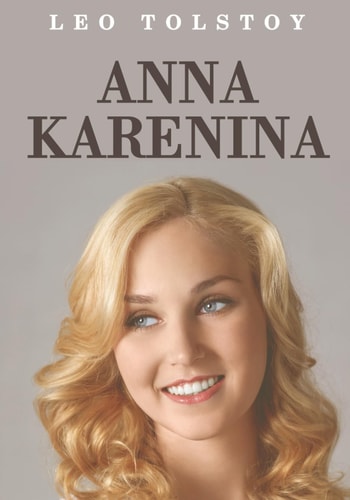
Classy Publishing
2025
Default edition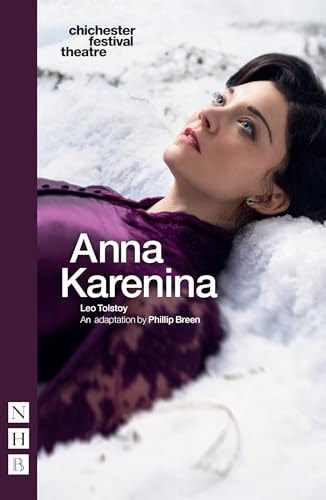
Nick Hern Books, Limited
2025
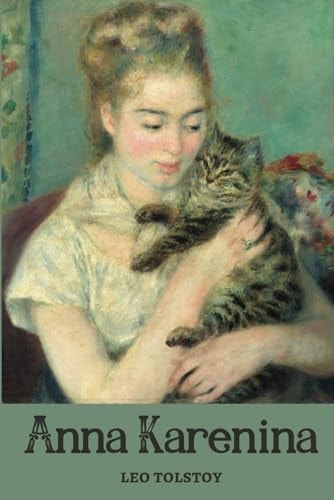
Independently published
2024
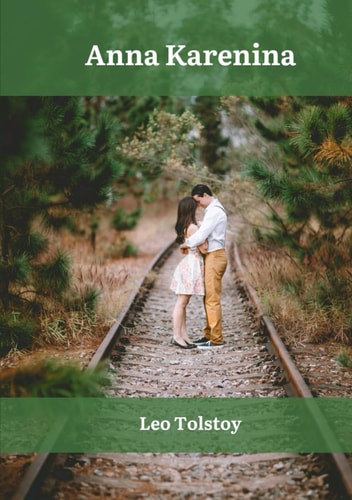
Independently published
2024

Independently published
2024

Independently published
2024

Independently published
2023
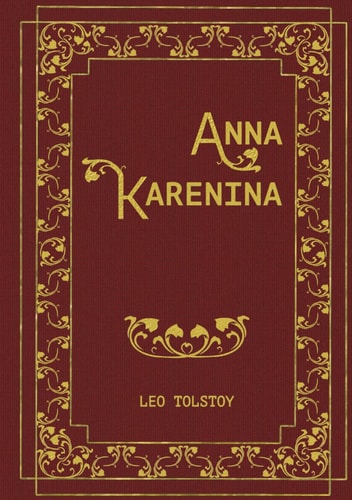
Independently published
2023

Independently published
2023

Repro India Limited
2023

Independently published
2023
Sheba Blake Publishing Corp.
2023
2023

Prakash Books
2023
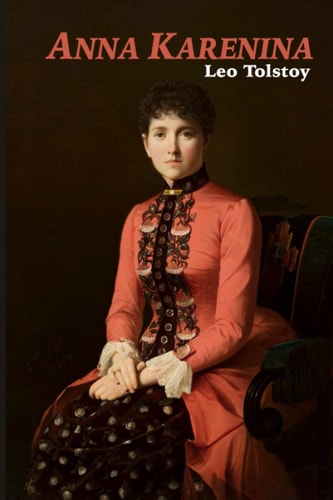
East India Publishing Company
2022

Independently published
2022

Independently published
2022
Independently published
2022

Classical Prints
2022
Repro India Limited
2022
Independently Published
2022

Repro India Limited
2022
BBC Audiobooks
2022
Independently Published
2021
Independently Published
2021
Independently Published
2021

Tantor and Blackstone Publishing
2021
Diamond Pocket Books Pvt Ltd
2021
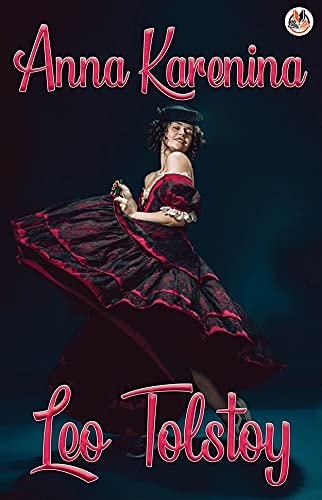
True Sign Publishing House
2021

Independently Published
2020

Independently Published
2020
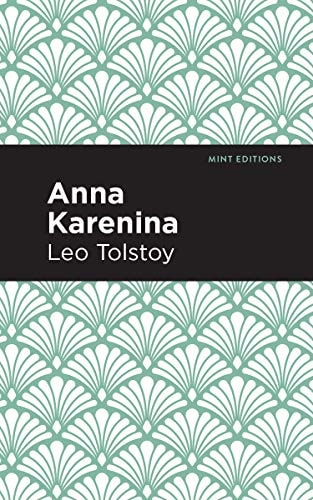
Mint Editions
2020

Les prairies numériques
2020
Independently Published
2020

Independently Published
2020

Read Books
2020
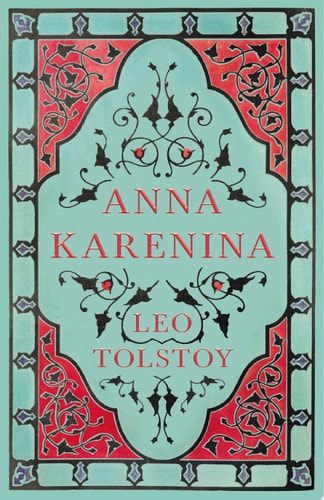
Read Books Ltd.
2020
Independently Published
2020
Independently Published
2020
Independently Published
2020
Amazon Digital Services LLC - KDP Print US
2020

Independently Published
2020
Independently Published
2020
Independently Published
2020

Independently Published
2020
Independently published
2020
Camel Publishing House
2020
Public Publishing
2020

Texas Public Domain
2020

Toronto Public Domain Publishing
2020
Digireads.com Publishing
2020

OMNI Publishing
2019

Independently Published
2019

Independently published
2019
Independently Published
2018
Independently Published
2017

Pan Macmillan UK
2017
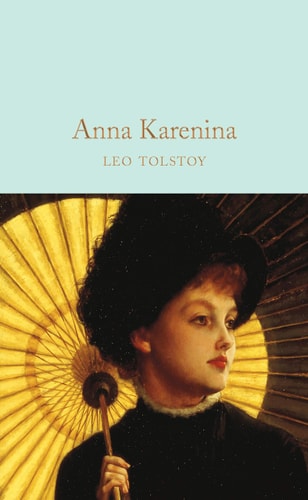
Macmillan Collector's Library
2017
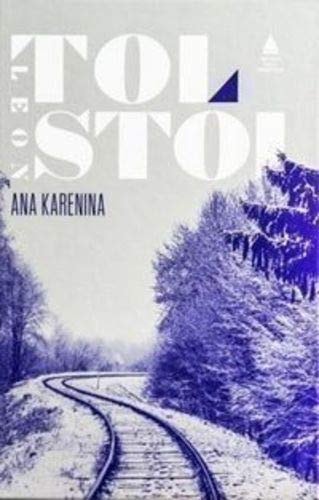
Nova Fronteira
2017

Lulu.com
2016
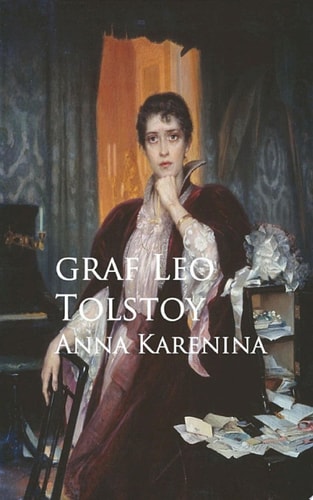
anboco
2016
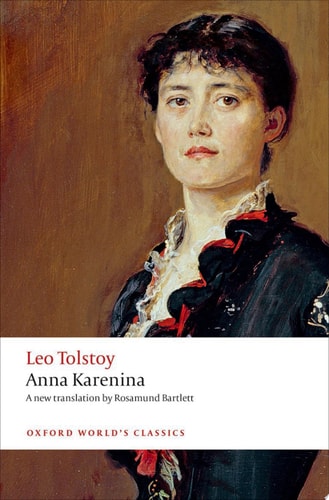
Oxford University Press
2016
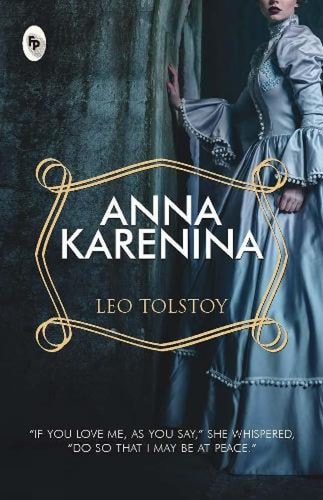
Prakash Books
2016
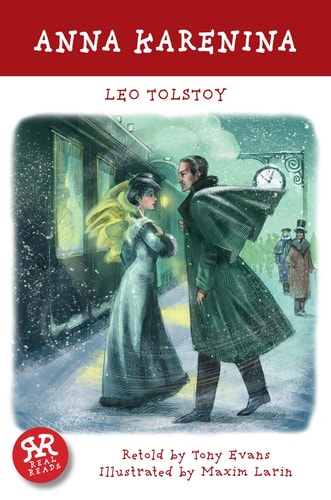
Real Reads Limited
2016
Leo Tolstoy
2016
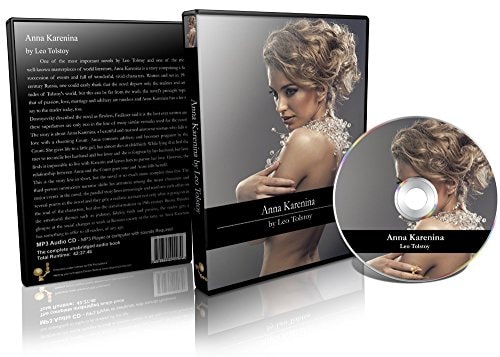
IDB Productions
2016
Olimpos Yayinlari
2016
Seaburn World Classics
2015
OUP Oxford
2014
Maple Press
2014
OUP Oxford
2014
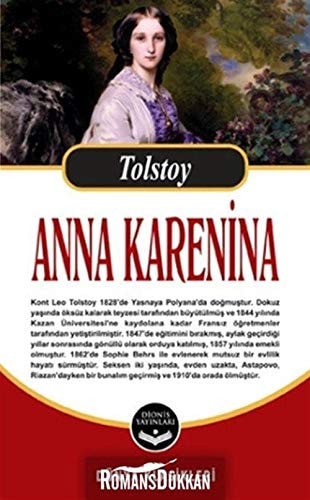
Dionis
2014
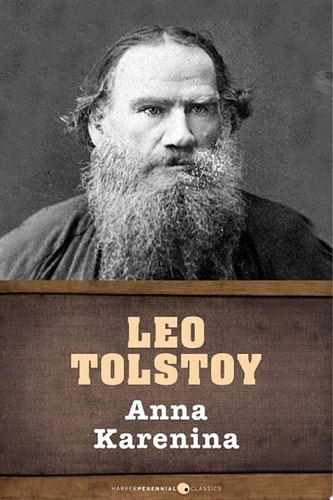
HarperCollins
2013

ReadHowYouWant.com
2013

Wilder Publications, Incorporated
2013

Blackstone Audio, Inc.
2012
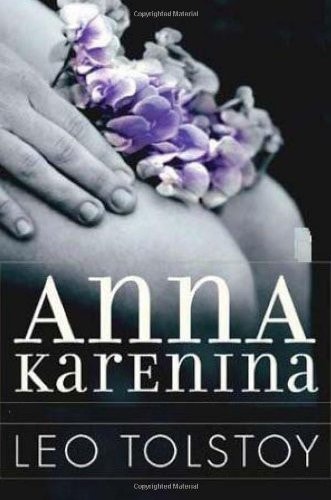
CreateSpace Independent Publishing Platform
2012
CreateSpace Independent Publishing Platform
2012

Simon and Schuster
2010
CreateSpace Independent Publishing Platform
2010
Bibliolife
2009
Hachette
2008
ReadHowYouWant.com
2008

Pearson Education
2008
İlya
2005
Alianza Editorial, S. A.
2004
Hodder Audio
2003
Perma-Bound Books
2002
Oda
2002

W. W. Norton, Incorporated
2001
W. W. Norton, Incorporated
2000
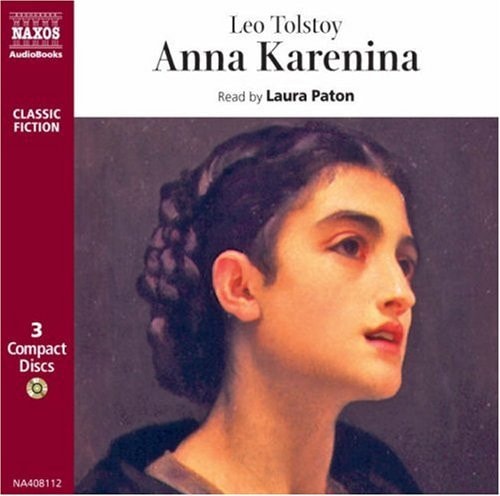
Naxos Audio Books
2000
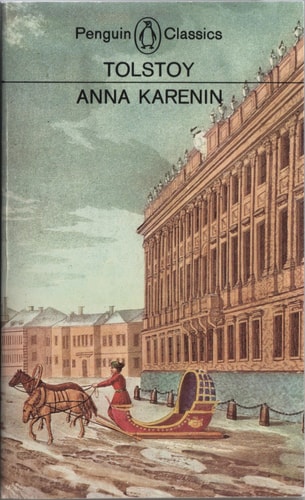
Penguin Group (USA) Incorporated
2000
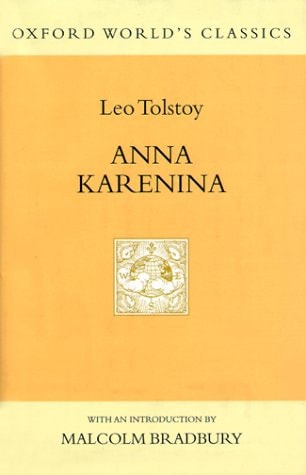
Oxford University Press
1999
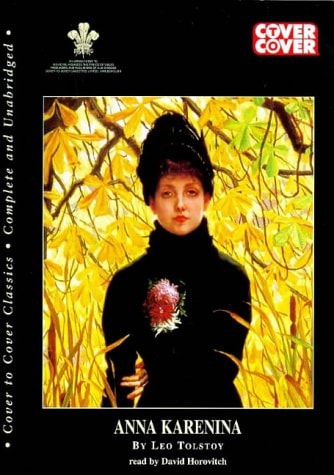
Cover to Cover Cassettes Ltd
1998

Chivers Audio Books
1996
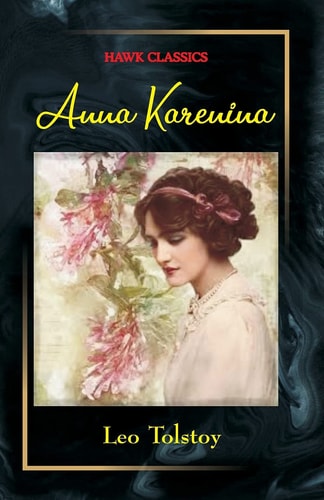
Hawk Press
1994
Van Oorschot
1991
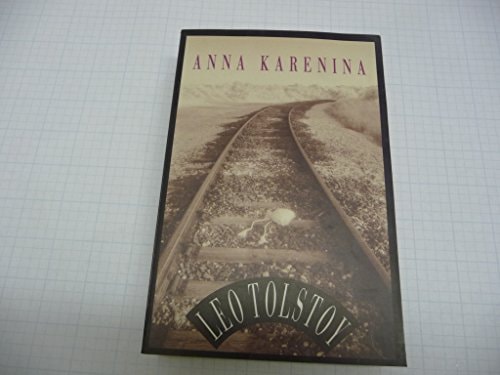
Quality Paperback Club
1991
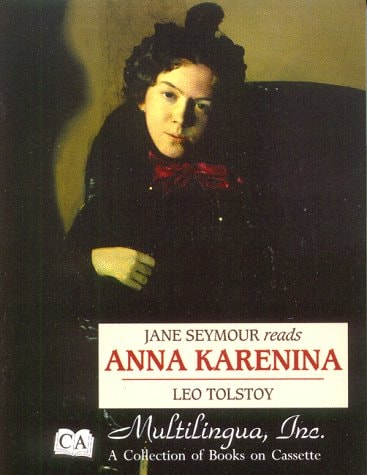
Multilingua, Inc.
1988
Veen
1983
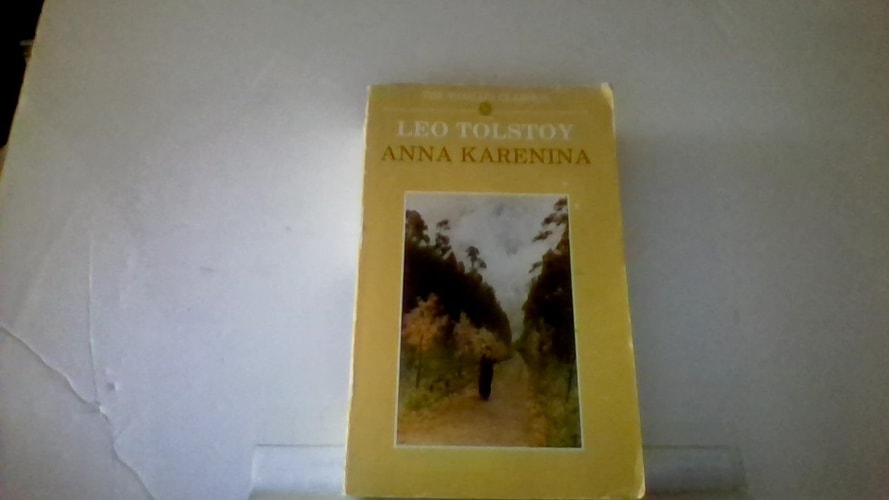
Oxford University Press
1980
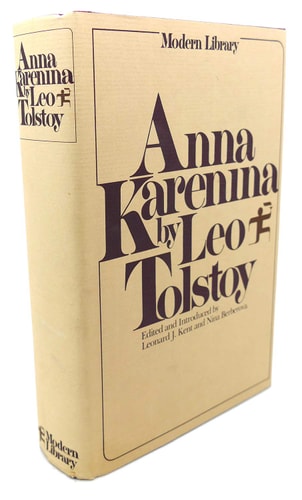
Modern Library
1978

Firebird Pubns
1978
Bokklubben
1977
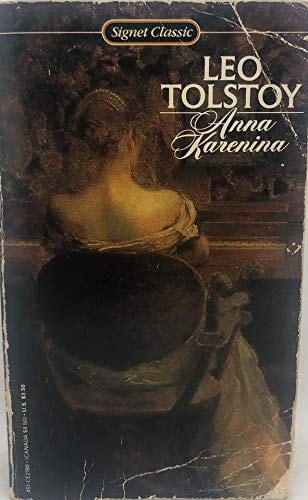
Signet Classics/New American Library
1961
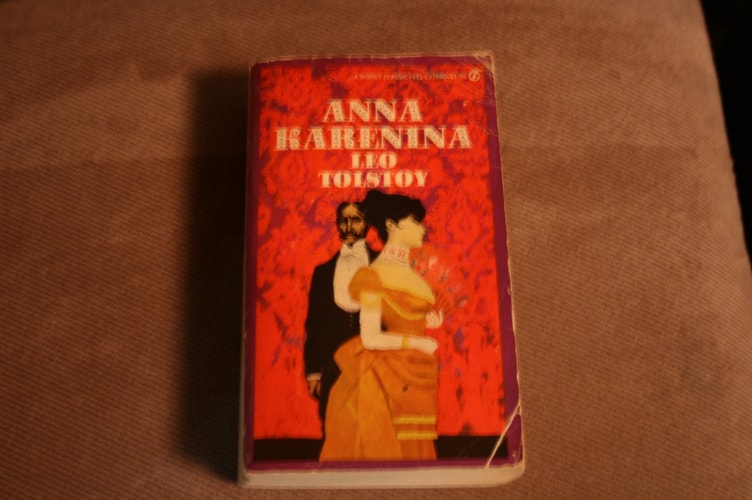
Signet Classics
1961
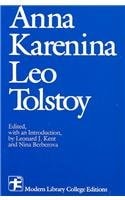
McGraw-Hill Companies,Incorporated
1950
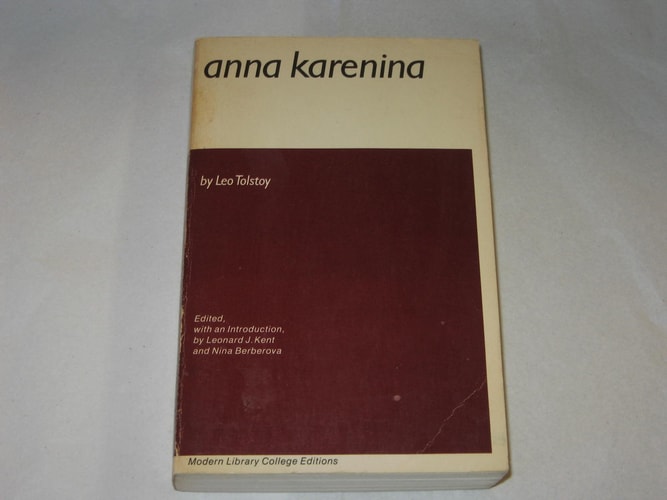
McGraw Hill Text
1950
William Heinemann
1900
Klokan.
1900
Similar Books

Reader Comments
Share Your Thoughts
No comments yet. Be the first to share your thoughts!