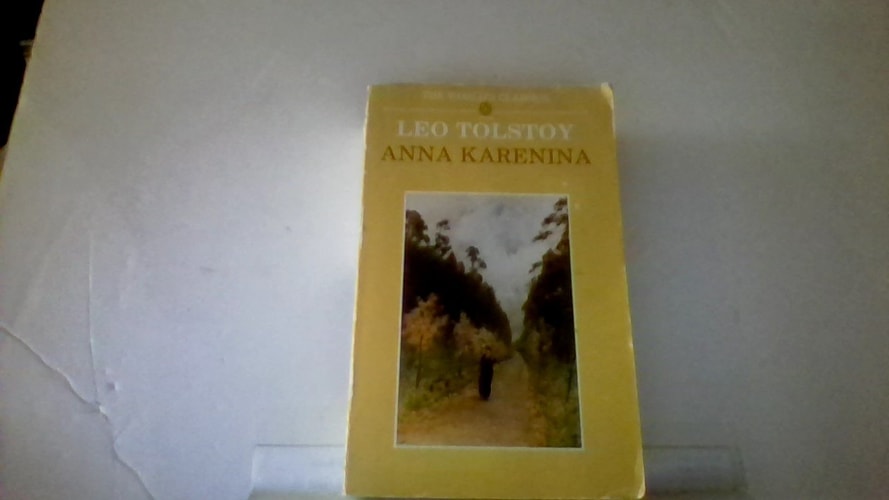
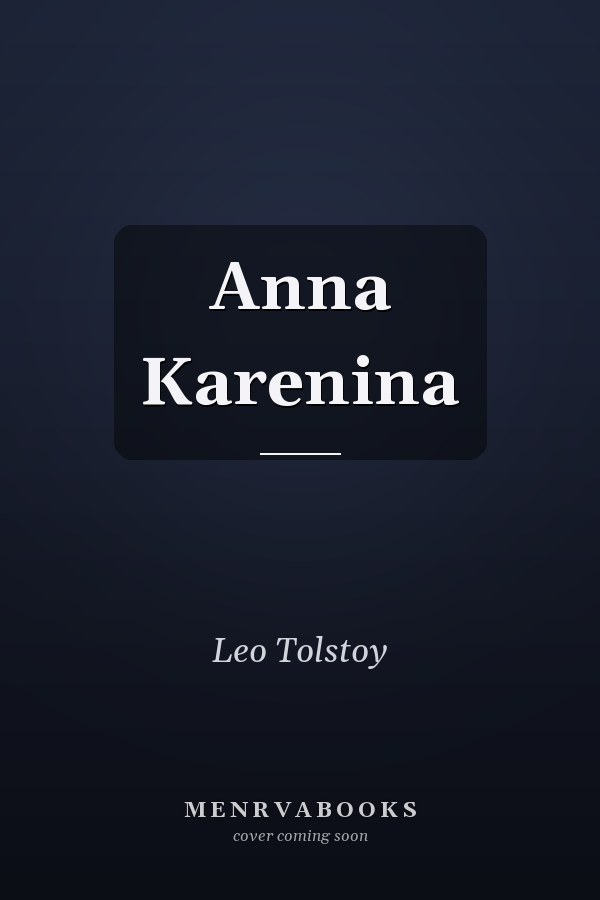
Anna Karenina
0
0
As an Amazon Associate and affiliate partner, Menrva Books earns from qualifying purchases. Learn more
Author Description
Described by William Faulkner as the best novel ever written and by Fyodor Dostoevsky as “flawless,” Anna Karenina tells of the doomed love affair between the sensuous and rebellious Anna and the dashing officer, Count Vronsky. Tragedy unfolds as Anna rejects her passionless marriage and thereby exposes herself to the hypocrisies of society. Set against a vast and richly textured canvas of nineteenth-century Russia, the novel's seven major characters create a dynamic imbalance, playing out the contrasts of city and country life and all the variations on love and family happiness.
Menrva's Summary
THE PULSE
The illicit affair between Anna Karenina and Count Vronsky triggers a catastrophic collision between individual desire and the rigid moral expectations of nineteenth-century Russian aristocracy. Anna, trapped in a loveless marriage with the cold bureaucrat Alexei Karenin, seeks liberation through her attraction to the charismatic Vronsky. Her pursuit of personal fulfillment forces her to navigate the suffocating social codes of St. Petersburg and Moscow, where her choices lead to isolation and psychological decline. The narrative employs a third-person omniscient perspective to weave together the lives of multiple characters, contrasting Anna's descent with the spiritual and domestic search for meaning undertaken by Konstantin Levin.
INSIDE THE PAGES
- Multi-perspective narrative structure focusing on parallel character arcs
- Detailed exploration of the Russian agrarian reform and rural life
- Extensive social commentary on the hypocrisy of the upper class
- Philosophical inquiries into the nature of faith, family, and duty
- Contrast between urban decadence and rural simplicity
- Psychological realism in character development
- Symbolism involving trains and the changing seasons
- Episodic progression reflecting the slow decay of social standing
THE COLLECTIVE ECHO
Readers and critics frequently highlight the novel's immense scope and the precision with which Tolstoy captures the complexities of human motivation. Discussion often centers on the stark contrast between the tragic trajectory of Anna and the philosophical growth of Levin, which provides a balanced view of the human condition. The atmosphere is noted for its immersive quality, effectively transporting the reader into the social and political climate of nineteenth-century Russia. Many observers emphasize that the pacing is deliberate, allowing for deep character introspection that remains relevant across generations. The work is widely regarded for its ability to examine the intersection of personal morality and societal pressure without resorting to simplistic moralizing.
Page Count:
840
Publication Date:
1980-05-15
Publisher:
Oxford University Press
ISBN-10:
0192815105
ISBN-13:
9780192815101
Romance
Historical
classic
Tragedy
Realism
Russian
Subjects
Community Tags
Other Editions(111)

Classy Publishing
2025
Default edition
Nick Hern Books, Limited
2025
Independently published
2024

Independently published
2024

Independently published
2024

Independently published
2024

Independently published
2023
Independently published
2023

Independently published
2023

Repro India Limited
2023

Independently published
2023

Sheba Blake Publishing Corp.
2023

2023

Prakash Books
2023
East India Publishing Company
2022

Independently published
2022

Independently published
2022

Independently published
2022

Classical Prints
2022
Repro India Limited
2022
Independently Published
2022

Repro India Limited
2022
BBC Audiobooks
2022
Independently Published
2021
Independently Published
2021
Independently Published
2021

Tantor and Blackstone Publishing
2021
Diamond Pocket Books Pvt Ltd
2021
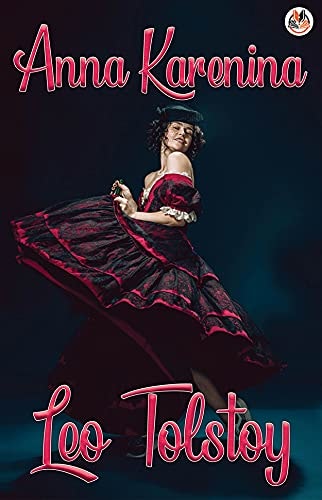
True Sign Publishing House
2021

Independently Published
2020

Independently Published
2020
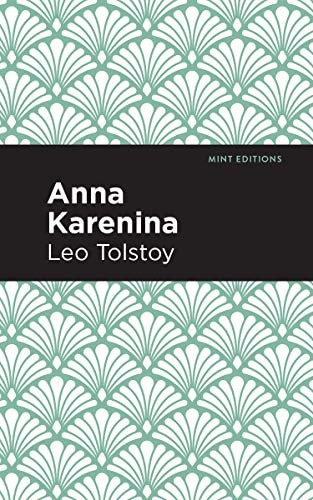
Mint Editions
2020

Les prairies numériques
2020

Independently Published
2020

Independently Published
2020

Read Books
2020

Read Books Ltd.
2020
Independently Published
2020

Independently Published
2020

Independently Published
2020

Amazon Digital Services LLC - KDP Print US
2020

Independently Published
2020
Independently Published
2020
Independently Published
2020

Independently Published
2020

Independently published
2020

Camel Publishing House
2020
Public Publishing
2020

Texas Public Domain
2020

Toronto Public Domain Publishing
2020
Digireads.com Publishing
2020

OMNI Publishing
2019

Independently Published
2019

Independently published
2019
Independently Published
2018
Independently Published
2017

Pan Macmillan UK
2017

Macmillan Collector's Library
2017

Nova Fronteira
2017

Lulu.com
2016
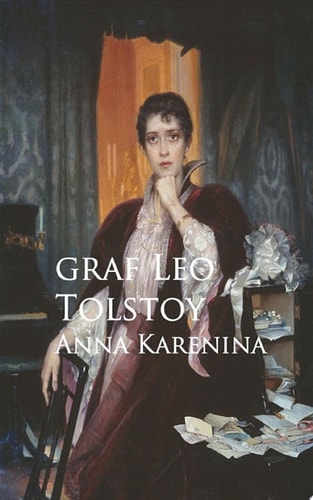
anboco
2016
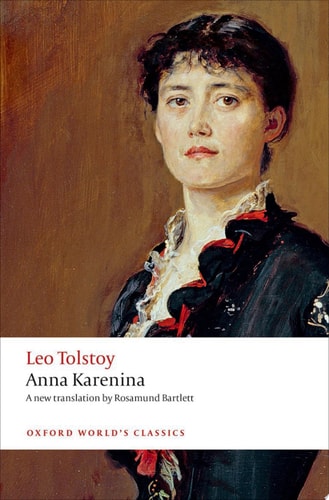
Oxford University Press
2016

Prakash Books
2016
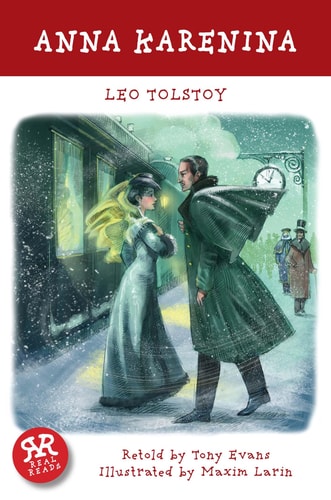
Real Reads Limited
2016

Leo Tolstoy
2016

IDB Productions
2016
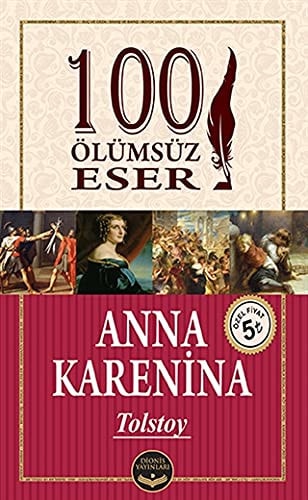
Olimpos Yayinlari
2016

Seaburn World Classics
2015
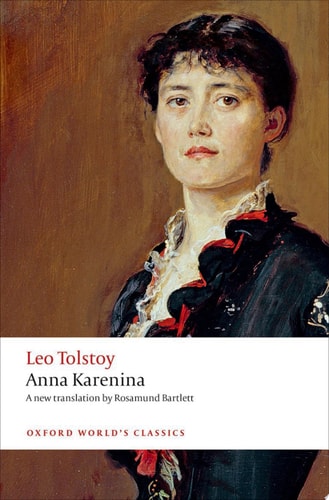
OUP Oxford
2014

Maple Press
2014

OUP Oxford
2014
Dionis
2014

HarperCollins
2013

ReadHowYouWant.com
2013

Wilder Publications, Incorporated
2013

Blackstone Audio, Inc.
2012

CreateSpace Independent Publishing Platform
2012
CreateSpace Independent Publishing Platform
2012

Simon and Schuster
2010
CreateSpace Independent Publishing Platform
2010

Bibliolife
2009

Hachette
2008

ReadHowYouWant.com
2008

Pearson Education
2008
İlya
2005

Alianza Editorial, S. A.
2004
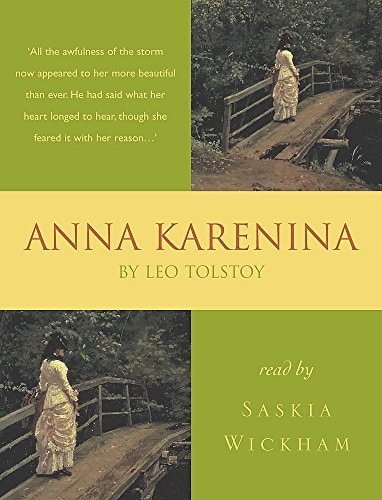
Hodder Audio
2003
Perma-Bound Books
2002
Oda
2002

W. W. Norton, Incorporated
2001
W. W. Norton, Incorporated
2000

Naxos Audio Books
2000
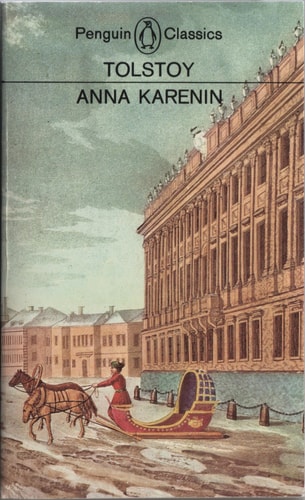
Penguin Group (USA) Incorporated
2000
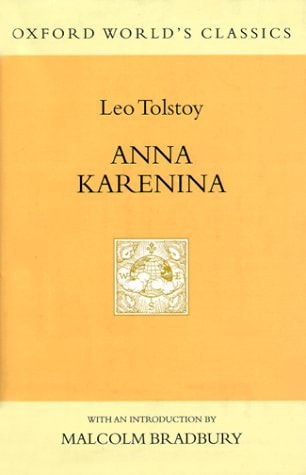
Oxford University Press
1999
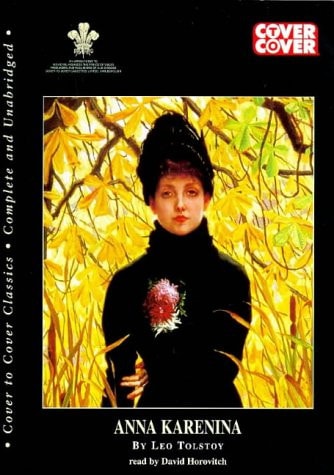
Cover to Cover Cassettes Ltd
1998

Chivers Audio Books
1996
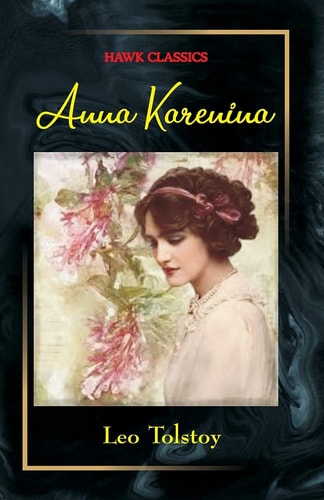
Hawk Press
1994

Van Oorschot
1991
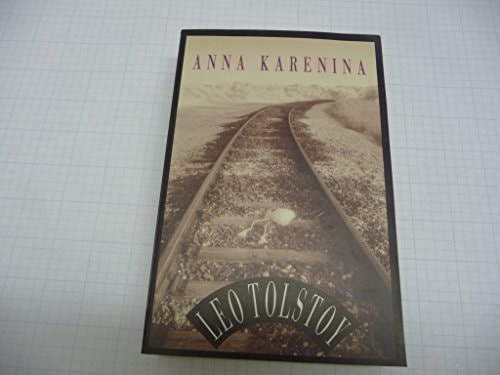
Quality Paperback Club
1991
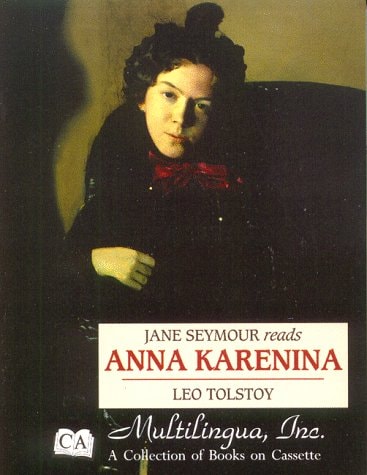
Multilingua, Inc.
1988
Veen
1983
Oxford University Press
1980
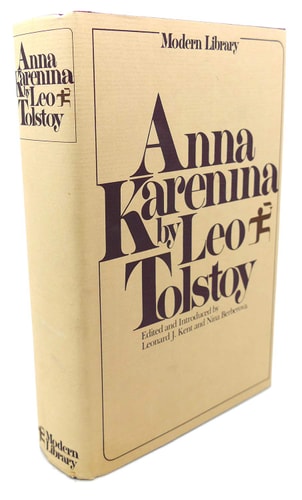
Modern Library
1978

Firebird Pubns
1978
Bokklubben
1977

Signet Classics/New American Library
1961
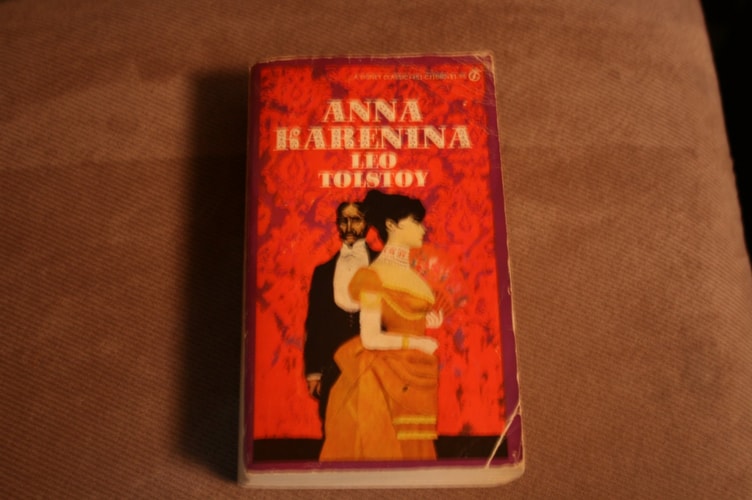
Signet Classics
1961

McGraw-Hill Companies,Incorporated
1950
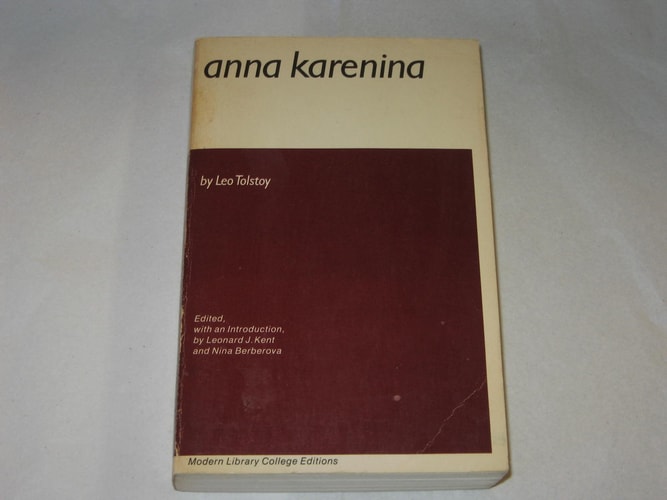
McGraw Hill Text
1950

William Heinemann
1900
Klokan.
1900
Similar Books


Reader Comments
Share Your Thoughts
No comments yet. Be the first to share your thoughts!