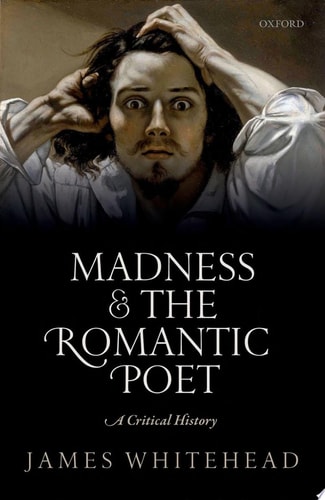
Madness and the Romantic Poet: A Critical History
0
0
As an Amazon Associate and affiliate partner, Menrva Books earns from qualifying purchases. Learn more
Author Description
Madness And The Romantic Poet Examines The Longstanding And Enduringly Popular Idea That Poetry Is Connected To Madness And Mental Illness. The Idea Goes Back To Classical Antiquity, But It Was Given New Life At The Turn Of The Nineteenth Century. The Book Offers A New And Much More Complete History Of Its Development Than Has Previously Been Attempted, Alongside Important Associated Ideas About Individual Genius, Creativity, The Emotions, Rationality, And The Mind In Extreme States Or Disorder--ideas That Have Been Pervasive In Modern Popular Culture. More Specifically, The Book Tells The Story Of The Initial Growth And Wider Dissemination Of The Idea Of The 'romantic Mad Poet' In The Nineteenth Century, How (and Why) This Idea Became So Popular, And How It Interacted With The Very Different Fortunes In Reception And Reputation Of Romantic Poets, Their Poetry, And Attacks On Or Defences Of Romanticism As A Cultural Trend Generally--again Leaving A Popular Legacy That Endured Into The Twentieth Century. Material Covered Includes Nineteenth-century Journalism, Early Literary Criticism, Biography, Medical And Psychiatric Literature, And Poetry. A Wide Range Of Scientific (and Pseudoscientific) Thinkers Are Discussed Alongside Major Romantic Authors, Including Wordsworth, Coleridge, Blake, Hazlitt, Lamb, Percy Bysshe Shelley, Keats, Byron, And John Clare. Using This Array Of Sources And Figures, The Book Asks: Was The Romantic Mad Genius Just A Sentimental Stereotype Or A Romantic Myth? Or Does Its Long Popularity Tell Us Something About Romanticism And The Role It Has Played, Or Has Been Given, In Modern Culture?
Menrva's Summary
THE THESIS
This book investigates the origins and cultural persistence of the association between poetic creativity and mental disorder, specifically focusing on the archetype of the 'Romantic mad poet.' James Whitehead, a scholar of literary history, synthesizes a vast array of nineteenth-century medical, biographical, and critical texts to trace how this stereotype evolved from classical roots into a pervasive modern cultural narrative. He argues that the myth of the mad genius served as both a critique and a defense of Romanticism, reflecting broader societal anxieties regarding rationality, emotion, and the nature of individual genius.
THE SCOPE MAP
What You Will Find
- A historical analysis of the 'mad poet' trope from the nineteenth century through the twentieth century.
- An examination of the intersection between early psychiatric literature and literary criticism.
- Case studies of major Romantic figures including Wordsworth, Coleridge, Blake, Shelley, Keats, Byron, and John Clare.
- A survey of nineteenth-century journalism and its role in disseminating cultural myths.
Scope Limits
- The book does not provide clinical psychiatric evaluations of the poets mentioned.
- It does not attempt to resolve the actual mental health status of the authors, focusing instead on the cultural reception of their perceived states.
THE AUTHORITY PERSPECTIVE
Scholars and critics recognize this work as a comprehensive examination of the intersection between literary history and the history of medicine. Readers frequently note the academic density of the prose, which provides a rigorous framework for understanding how cultural stereotypes are constructed and maintained over time.
Page Count:
304
Publication Date:
2017-08-27
Publisher:
Oxford University Press, Incorporated
ISBN-10:
0191798053
ISBN-13:
9780191798054
Poetry
History of Psychiatry
Cultural History
Literary Criticism
Intellectual History
Romanticism
Community Tags
Other Editions(2)
Similar Books