
Jane Eyre
0
0
As an Amazon Associate and affiliate partner, Menrva Books earns from qualifying purchases. Learn more
Author Description
Jane Eyre (1847) has enjoyed huge popularity since first publication, and its success owes much to its exceptional emotional power. Jane Eyre, a penniless orphan, is engaged as governess at Thornfield Hall by the mysterious Mr Rochester. Her integrity and independence are tested to the limit as their love for each other grows, and the secrets of Mr Rochester's past are revealed.
Menrva's Summary
THE PULSE
A penniless orphan struggles to maintain her moral integrity and personal independence while navigating the complex social hierarchies of Victorian England. Jane Eyre accepts a position as a governess at the isolated Thornfield Hall, where she encounters the enigmatic Mr. Rochester. Her objective is to secure a stable life and emotional fulfillment, but she is constantly opposed by rigid class expectations, the psychological weight of her past, and the dark, hidden secrets of her employer. The narrative is presented through a first-person perspective, providing an intimate look at the protagonist's internal development and moral reasoning.
INSIDE THE PAGES
- First-person confessional narrative style
- Gothic atmosphere and setting
- Exploration of social class and gender roles
- Moral and ethical dilemmas
- Psychological character depth
- Symbolism of fire and confinement
- Bildungsroman structure
- Critique of Victorian educational and religious institutions
THE COLLECTIVE ECHO
Readers frequently highlight the intensity of the protagonist's internal monologue as a defining feature of the work. Discussion often centers on the balance between the gothic elements of the setting and the realistic portrayal of Jane's personal growth. Critics often note the effectiveness of the prose in establishing a sense of isolation and moral fortitude throughout the narrative. The interplay between Jane's desire for autonomy and the societal constraints of the era remains a primary focus for academic analysis. Many readers appreciate the directness of the writing style, which maintains a consistent focus on the protagonist's evolving worldview.
Page Count:
544
Publication Date:
2000-03-09
Publisher:
Oxford University Press
ISBN-10:
0192100424
ISBN-13:
9780192100429
Romance
Married People
Young women
classic
England
Fathers and daughters
Gothic
Bildungsroman
Victorian
Coming of Age
Community Tags
Other Editions(16)
OUP Oxford
2019
Default edition
Oxford University Press, USA
2016
Oxford University Press
2015
Oxford University Press
2012
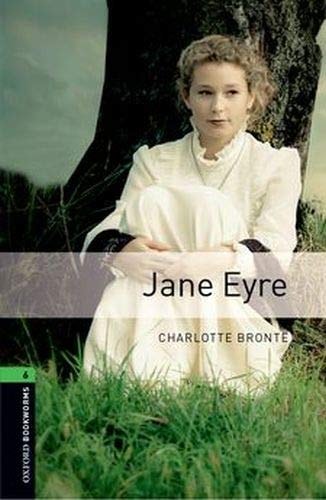
Oxford University Press
2008
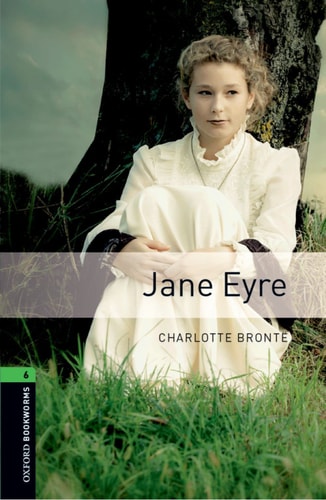
Oxford University Press España, S.A.
2007
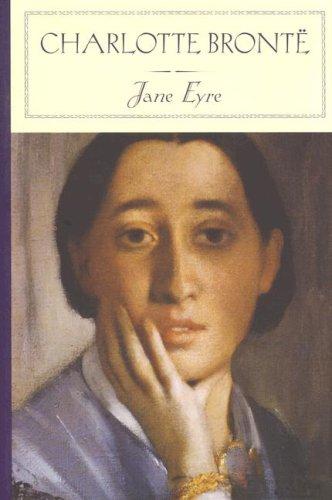
2004
Oxford University Press
2000

Oup Oxford
2000

Oxford University Press
1993
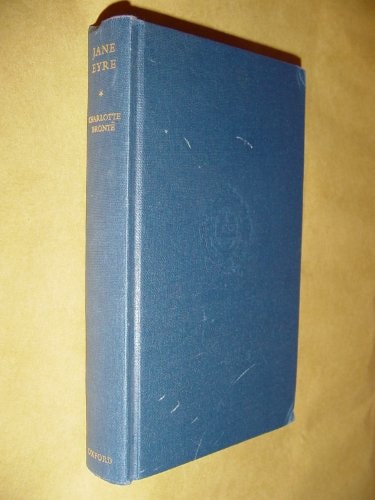
Marshall Cavendish Ltd.
1986
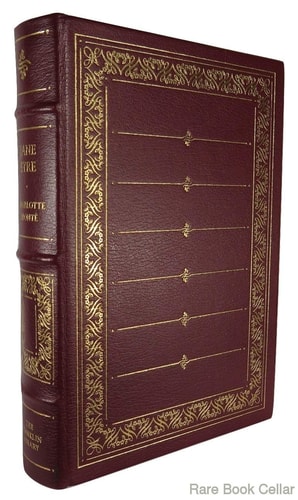
Oxford University Press
1980
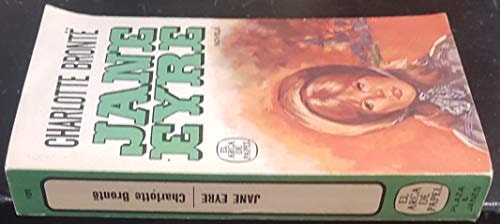
Oxford University Press
1977
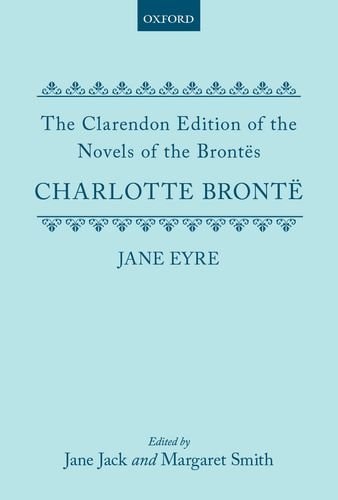
Oxford University Press
1969
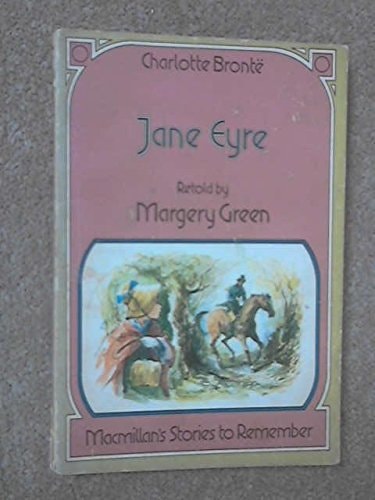
Oxford University Press
1957
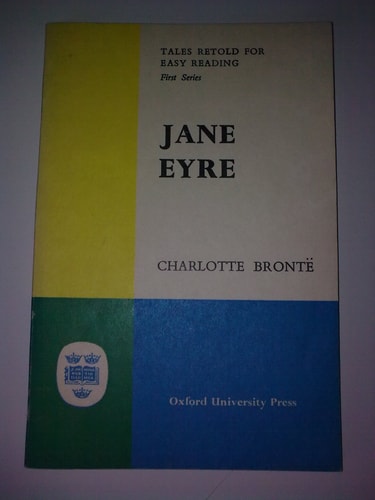
Oxford University Press
1937
Similar Books





Reader Comments
Share Your Thoughts
No comments yet. Be the first to share your thoughts!