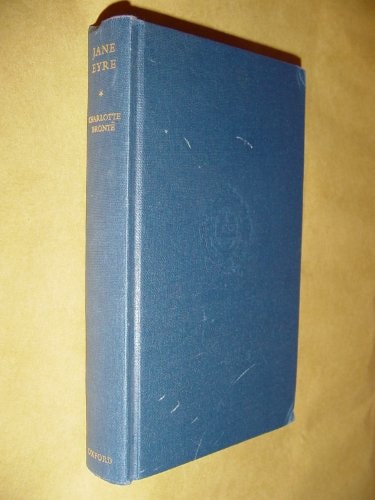
Jane Eyre
0
0
As an Amazon Associate and affiliate partner, Menrva Books earns from qualifying purchases. Learn more
Author Description
The novel is set somewhere in the north of England. Jane's childhood at Gateshead Hall, where she is emotionally and physically abused by her aunt and cousins; her education at Lowood School, where she acquires friends and role models but also suffers privations and oppression; her time as the governess of Thornfield Hall, where she falls in love with her Byronic employer, Edward Rochester; her time with the Rivers family, during which her earnest but cold clergyman cousin, St John Rivers, proposes to her. Will she or will she not marry him?
Menrva's Summary
THE PULSE
Jane Eyre navigates a series of oppressive environments while seeking personal autonomy and moral integrity. Orphaned and mistreated, Jane moves from the cruelty of her aunt's household to the harsh discipline of Lowood School, eventually securing a position as a governess at Thornfield Hall. There, she encounters the enigmatic Edward Rochester, whose secrets threaten her newfound sense of belonging. The narrative is presented as a first-person account, detailing Jane's internal struggle to balance her passionate nature with the rigid social and religious expectations of nineteenth-century England.
INSIDE THE PAGES
- First-person confessional narrative style
- Gothic atmosphere and architectural symbolism
- Exploration of class dynamics and gender roles
- Moral development and the search for independence
- Byronic hero archetype
- Use of pathetic fallacy to mirror internal states
- Epistolary elements and direct address to the reader
- Themes of religious hypocrisy and personal integrity
THE COLLECTIVE ECHO
Readers and critics frequently analyze the text for its proto-feminist themes and its subversion of traditional Victorian romance tropes. Discussion often centers on the psychological depth of the protagonist and the effectiveness of the Gothic setting in externalizing Jane's internal conflicts. Many observers highlight the tension between Jane's desire for social equality and her commitment to her own ethical standards. The pacing is often noted for its deliberate focus on character growth over external action, which provides a foundation for the intense emotional stakes of the final acts. Scholars continue to debate the influence of the author's own life experiences on the narrative's portrayal of institutional oppression.
Page Count:
570
Publication Date:
1986-01-01
Publisher:
Marshall Cavendish Ltd.
ISBN-10:
0192500015
ISBN-13:
9780192500014
Romance
Gothic
Victorian
Bildungsroman
Historical
Regency
classic
Community Tags
Other Editions(16)
OUP Oxford
2019
Default edition
Oxford University Press, USA
2016
Oxford University Press
2015
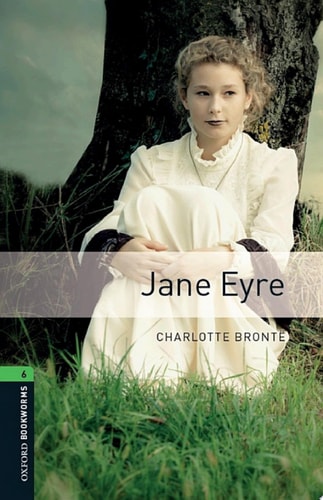
Oxford University Press
2012
Oxford University Press
2008
Oxford University Press España, S.A.
2007
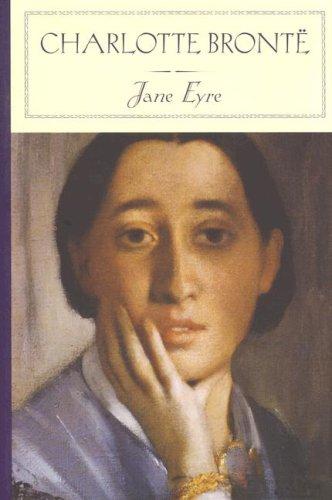
2004

Oxford University Press
2000

Oup Oxford
2000

Oxford University Press
1993
Marshall Cavendish Ltd.
1986
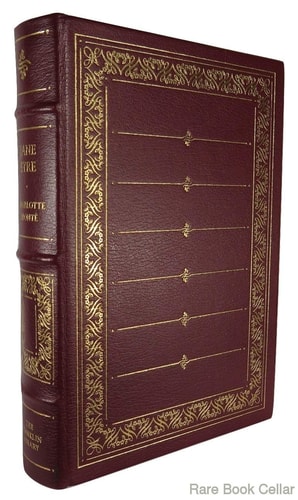
Oxford University Press
1980

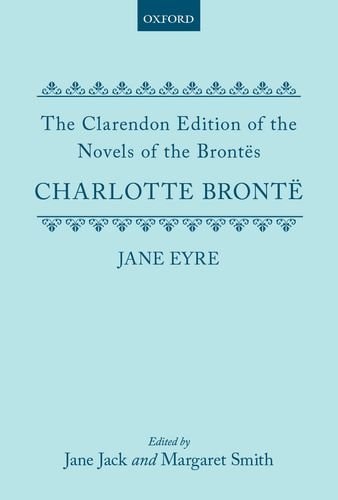
Oxford University Press
1977
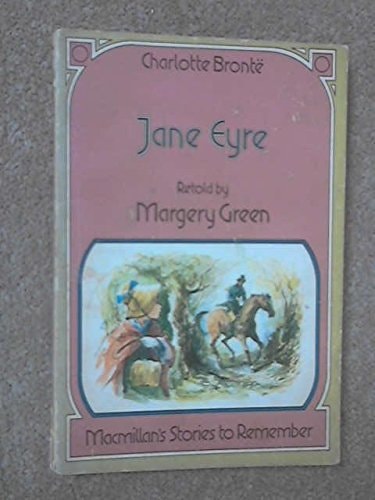
Oxford University Press
1969
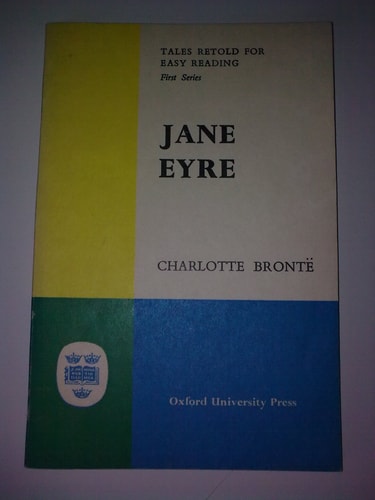
Oxford University Press
1957
Oxford University Press
1937
Similar Books



Reader Comments
Share Your Thoughts
No comments yet. Be the first to share your thoughts!