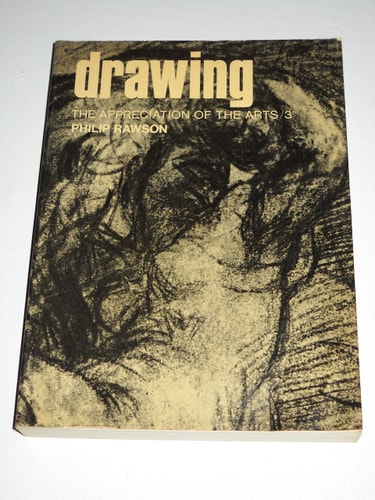
Drawing
0
0
As an Amazon Associate and affiliate partner, Menrva Books earns from qualifying purchases. Learn more
Author Description
Discusses the theory of drawing, drawing techniques, rhythm, space, subject, and equipment, and examines drawings from various periods and cultures
Menrva's Summary
THE THESIS
This work investigates the fundamental principles of drawing as both a technical skill and a medium for artistic expression. Philip Rawson, an established authority on art history and aesthetics, utilizes a cross-cultural analysis to deconstruct how lines, rhythm, and space function within a two-dimensional plane. He argues that drawing is a primary cognitive process that bridges the gap between observation and conceptualization.
THE SCOPE MAP
What You Will Find
- Comprehensive analysis of drawing techniques and equipment
- Theoretical frameworks regarding rhythm, spatial depth, and composition
- Comparative studies of drawings across diverse historical periods and global cultures
Scope Limits
- Does not provide step-by-step tutorials for beginners
- Does not focus on contemporary digital drawing methods
THE AUTHORITY PERSPECTIVE
Experts and art educators frequently cite this text as a foundational resource for understanding the formal elements of drawing. Readers often note the academic density of the prose, which prioritizes theoretical rigor over casual instruction.
Page Count:
321
Publication Date:
1969-01-01
Publisher:
Oxford University Press
ISBN-10:
0192119087
ISBN-13:
9780192119087
Art
Art History
Art Techniques
Art Theory
Technique
Drawing
Community Tags
Other Editions(3)

Similar Books