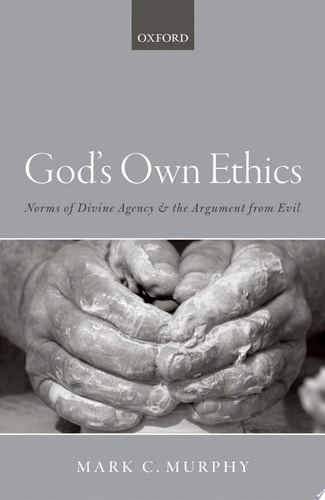
God's Own Ethics
0
0
As an Amazon Associate and affiliate partner, Menrva Books earns from qualifying purchases. Learn more
Author Description
Every Version Of The Argument From Evil Requires A Premise Concerning God's Motivation - About The Actions That God Is Motivated To Perform Or The States Of Affairs That God Is Motivated To Bring About. The Typical Source Of This Premise Is A Conviction That God Is, Obviously, Morally Perfect, Where God's Moral Perfection Consists In God's Being Motivated To Act In Accordance With The Norms Of Morality By Which Both We And God Are Governed. The Aim Of God's Own Ethics Is To Challenge This Understanding By Giving Arguments Against This View Of God As Morally Perfect And By Offering An Alternative Account Of What God's Own Ethics Is Like. According To This Alternative Account, God Is In No Way Required To Promote The Well-being Of Sentient Creatures, Though God May Rationally Do So. Any Norms Of Conduct That Favor The Promotion Of Creaturely Well-being That Govern God's Conduct Are Norms That Are Contingently Self-imposed By God. This Revised Understanding Of Divine Ethics Should Lead Us To Revise Sharply Downward Our Assessment Of The Force Of The Argument From Evil While Leaving Intact Our Conception Of God As An Absolutely Perfect Being, Supremely Worthy Of Worship.
Menrva's Summary
THE THESIS
This book investigates whether the traditional understanding of God as morally perfect—specifically as being bound by the same moral norms as human beings—is philosophically sound. Mark C. Murphy, a scholar in the philosophy of religion, challenges the standard premise that God is motivated to promote the well-being of sentient creatures. He argues that God's moral perfection does not necessitate adherence to human-centric moral norms, suggesting instead that such norms are contingently self-imposed by the divine. By decoupling divine nature from human moral obligations, the author seeks to weaken the logical force of the argument from evil while maintaining a coherent conception of God as a supreme, worship-worthy being.
THE SCOPE MAP
What You Will Find
- A critical analysis of the argument from evil and its reliance on divine motivation premises
- A philosophical framework for understanding divine ethics independent of creaturely well-being
- Arguments regarding the nature of divine perfection and moral obligation
Scope Limits
- The text does not provide a comprehensive history of theodicy or the problem of evil
- The analysis focuses primarily on analytical philosophical arguments rather than scriptural or dogmatic theology
THE AUTHORITY PERSPECTIVE
Scholars in the field of philosophy of religion recognize this work as a rigorous contribution to the debate surrounding divine command theory and the nature of God. Readers frequently note the academic density of the prose, which requires a strong background in philosophical logic to fully grasp the author's nuanced arguments.
Page Count:
224
Publication Date:
2017-01-01
Publisher:
Oxford University Press
ISBN-10:
0192517163
ISBN-13:
9780192517166
Philosophy
Ethics
Metaphysics
Philosophy of
Theology
Community Tags
Similar Books