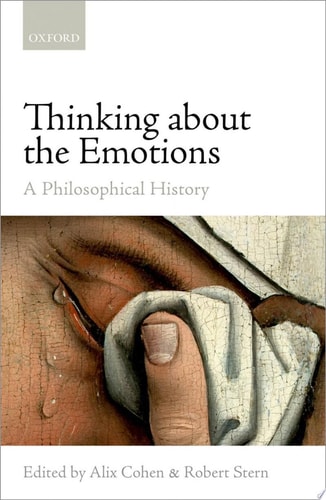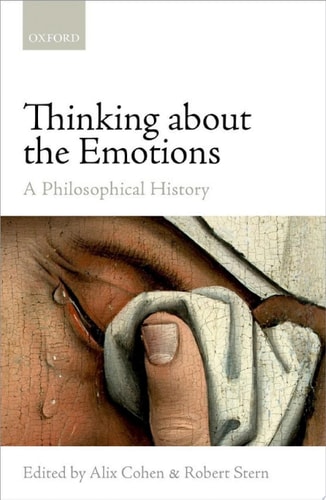
Thinking about the Emotions: A Philosophical History
0
0
As an Amazon Associate and affiliate partner, Menrva Books earns from qualifying purchases. Learn more
Author Description
Philosophical reflection on the emotions has a long history stretching back to classical Greek thought, even though at times philosophers have marginalized or denigrated them in favour of reason. Fourteen leading philosophers here offer a broad survey of the development of our understanding of the emotions. The thinkers they discuss include Aristotle, Aquinas, Ockham, Descartes, Malebranche, Spinoza, Hobbes, Hume, Shaftesbury, Hutcheson, Kant, Schiller, Schopenhauer, Nietzsche, James, Brentano, Stumpf, Scheler, Heidegger, and Sartre. Central issues include the taxonomy of the emotions; the distinction between emotions, passions, feelings and moods; the relation between the emotions and reason; the relationship between the self and the emotions. At a metaphilosophical level, the collection also raises issues about the value of historical study of the discipline, and what light it can shed on contemporary concerns. Thinking about the Emotions is a fascinating and illuminating collective study of how philosophers have grappled with this most intriguing part of our nature as beings who feel as well as think and act.
Menrva's Summary
THE THESIS
This collection investigates the historical evolution of philosophical inquiry into the nature, function, and taxonomy of human emotions. Edited by Alix Cohen and Robert Stern, the volume synthesizes contributions from fourteen prominent philosophers to examine how historical thinkers have balanced the roles of reason and affect. The text provides a structured framework for understanding how the conceptualization of emotions has shifted from classical antiquity through the twentieth century.
THE SCOPE MAP
What You Will Find
- Historical analysis of major thinkers including Aristotle, Descartes, Kant, Nietzsche, and Sartre
- Comparative studies on the taxonomy of passions, feelings, and moods
- Metaphilosophical discussions regarding the value of historical study in contemporary discourse
Scope Limits
- Does not provide a comprehensive psychological or neuroscientific account of emotion
- Does not focus on contemporary empirical research outside of a philosophical context
THE AUTHORITY PERSPECTIVE
Experts recognize this volume as a rigorous survey of the history of emotion within Western philosophy. Readers frequently note the academic density of the prose, making it a suitable resource for advanced students and scholars of philosophical history.
Page Count:
300
Publication Date:
2017-01-01
Publisher:
OUP Oxford
ISBN-10:
0192521675
ISBN-13:
9780192521675
Non-Fiction
Philosophy
Emotions
History & Surveys
Academic
Mind & Body
Philosophy history