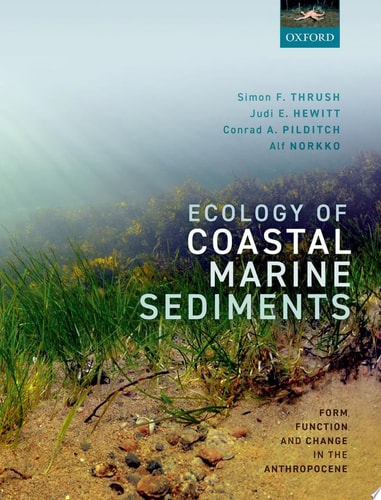
Ecology of Coastal Marine Sediments: Form, Function, and Change in the Anthropocene
0
0
As an Amazon Associate and affiliate partner, Menrva Books earns from qualifying purchases. Learn more
Author Description
Marine sediments dominate the global seabed, creating the largest ecosystem on earth. Seafloor biodiversity is a key mediator of ecosystem functioning, yet critical processes are often excluded from global biogeochemical budgets or simplified to black boxes in ecosystem models. This accessible textbook provides an ideal point of entry into the field, providing basic information on the nature of soft-sediment ecosystems, examples of how and why we research them, the new questions these studies inspire, and the applications that ultimately benefit society. While focussing on coastal habitats (
Menrva's Summary
THE THESIS
This text investigates how seafloor biodiversity mediates ecosystem functioning and why these critical processes must be integrated into global biogeochemical models. The authors, a team of expert marine ecologists, synthesize current research to explain the physical and biological nature of soft-sediment ecosystems. They argue that these habitats, which dominate the global seabed, are frequently overlooked or oversimplified in environmental modeling, necessitating a more nuanced understanding of their role in the Anthropocene.
THE SCOPE MAP
What You Will Find
- Analysis of soft-sediment ecosystem structure and function
- Methodologies for researching benthic biodiversity
- Applications of sediment ecology for societal benefit
- Examination of human-induced changes in coastal habitats
Scope Limits
- Does not provide an exhaustive global survey of deep-sea trenches
- Does not focus on hard-substrate or rocky reef ecosystems
THE AUTHORITY PERSPECTIVE
Experts identify this work as a foundational entry point for students and researchers seeking to understand the complexities of coastal marine sediments. The text is noted for its ability to bridge the gap between basic ecological principles and the practical challenges of modern environmental management.
Page Count:
224
Publication Date:
2021-01-01
Publisher:
OUP Oxford
ISBN-10:
0192526979
ISBN-13:
9780192526977
Science
Marine Biology
textbook
Ecology
Oceanography
Community Tags
Similar Books