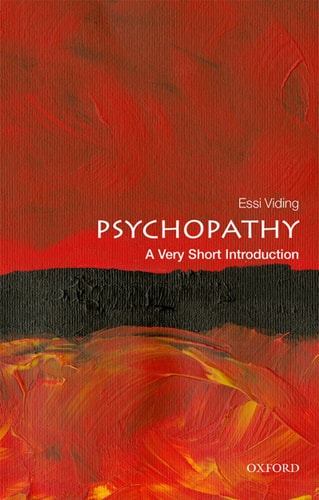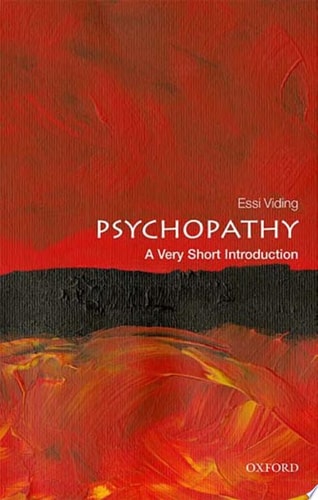
Psychopathy: A Very Short Introduction
0
0
As an Amazon Associate and affiliate partner, Menrva Books earns from qualifying purchases. Learn more
Author Description
Psychopathy Is A Personality Disorder That Has Long Captured The Public Imagination. Newspaper Column Inches Have Been Devoted To Murderers With Psychopathic Features, And We Also Encounter Psychopaths In Films And Books. Individuals With Psychopathy Are Characterised In Particular By Lack Of Empathy And Guilt, Manipulation Of Other People And, In The Case Of Criminal Psychopathy, Premeditated Violent Behaviour. They Are Dangerous And Can Incur Immeasurable Emotional, Psychological, Physical, And Financial Costs To Their Victims And Their Families. Despite The Public Fascination With Psychopathy, There Is Often A Very Limited Understanding Of The Condition, And Several Myths About Psychopathy Abound. For Example, People Commonly Assume That All Psychopaths Are Sadistic Serial Killers Or That All Violent And Antisocial Individuals Are Psychopaths. Yet, Research Shows That Most Psychopaths Are Not Serial Killers, And, Equally, There Are Plenty Of Antisocial And Violent Offenders Who Are Not Psychopaths. This Very Short Introduction Gives An Overview Of How We Can Identify Individuals With Or At Risk Of Developing Psychopathy, And How They Differ From Other People Who Display Antisocial Behavior. Essi Viding Also Explores The Latest Genetic, Neuroscience, And Psychology Evidence In Order To Illuminate Why Psychopaths Behave And Develop The Way They Do, And Considers Whether It Is Possible To Prevent Or Even Treat Psychopathy. About The Series: The Very Short Introductions Series From Oxford University Press Contains Hundreds Of Titles In Almost Every Subject Area. These Pocket-sized Books Are The Perfect Way To Get Ahead In A New Subject Quickly. Our Expert Authors Combine Facts, Analysis, Perspective, New Ideas, And Enthusiasm To Make Interesting And Challenging Topics Highly Readable.
Menrva's Summary
THE THESIS
This book investigates the clinical, genetic, and neurological foundations of psychopathy to distinguish scientific reality from pervasive cultural myths. Essi Viding, a professor of developmental psychopathology, utilizes current research in neuroscience and behavioral psychology to provide a framework for understanding the development and identification of psychopathic traits. The text challenges common misconceptions regarding the link between antisocial behavior and psychopathy, offering a nuanced view of the disorder's origins and potential for intervention.
THE SCOPE MAP
What You Will Find
- Analysis of diagnostic criteria and behavioral markers of psychopathy
- Examination of genetic and neurobiological evidence regarding the disorder's development
- Discussion of the distinction between general antisocial behavior and clinical psychopathy
Scope Limits
- Does not provide a comprehensive clinical manual for diagnosis
- Does not offer a definitive cure or therapeutic protocol for individuals with the condition
THE AUTHORITY PERSPECTIVE
Experts recognize this work as a concise and accessible entry point for students and laypeople interested in forensic psychology. Readers frequently note the clarity of the prose, which effectively synthesizes complex scientific data into a manageable format.
Page Count:
160
Publication Date:
2019-01-01
Publisher:
Oxford University Press
ISBN-10:
019252318X
ISBN-13:
9780192523181
Non-Fiction
Psychology
Neuroscience
Criminology
Mental Health