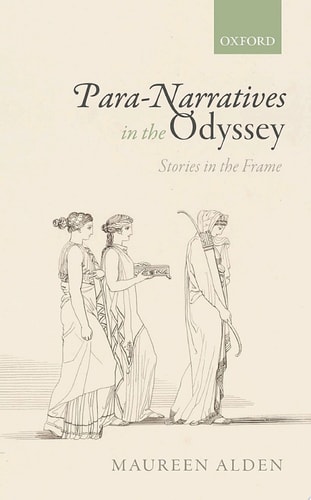
Para-narratives in the Odyssey
0
0
As an Amazon Associate and affiliate partner, Menrva Books earns from qualifying purchases. Learn more
Author Description
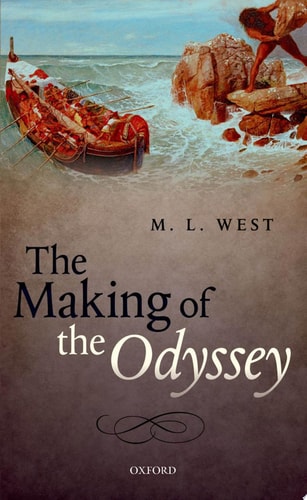
Readers Coming To The Odyssey For The First Time Are Often Dazzled And Bewildered By The Wealth Of Material It Contains Which Is Seemingly Unrelated To The Central Story: The Main Plot Of Odysseus' Return To Ithaca Is Complicated By Myriad Secondary Narratives Related By The Poet And His Characters, Including Odysseus' Own Fantastic Tales Of Lotus Eaters, Sirens, And Cannibal Giants. Although These 'para-narratives' Are A Source Of Pleasure And Entertainment In Their Own Right, Each Also Has A Special Relevance To Its Immediate Context, Elucidating Odysseus' Predicament And Also Subtly Influencing And Guiding The Audience's Reception Of The Main Story. By Exploring Variations On The Basic Story-shape, Drawing On Familiar Tales, Anecdotes, And Mythology, Or Inserting Analogous Situations, They Create Illuminating Parallels To The Main Narrative And Prompt Specific Responses In Readers Or Listeners. This Is The Case Even When Details Are Suppressed Or Altered, As The Audience May Still Experience The Reverberations Of The Better-known Version Of The Tradition, And It Also Applies To The Characters Themselves, Who Are Often Provided With A Model Of Action For Imitation Or Avoidance In Their Immediate Contexts.
Menrva's Summary
THE THESIS
This work investigates how the secondary narratives, or 'para-narratives,' embedded within Homer's Odyssey function as structural and thematic devices that influence the reception of the primary plot. Maureen Alden, a scholar of classical literature, utilizes a close reading of the Homeric text to analyze how these digressions, myths, and anecdotes serve as mirrors or foils to Odysseus's journey. By examining the interplay between these sub-stories and the main narrative, the author argues that these elements are not mere distractions but essential components that guide the audience's understanding of the protagonist's moral and physical challenges.
THE SCOPE MAP
What You Will Find
- Analysis of specific secondary tales including the Lotus Eaters, Sirens, and cannibal giants
- Examination of how narrative variations and mythological allusions shape character motivation
- Discussion of the audience's reception and the role of tradition in interpreting epic poetry
Scope Limits
- The study focuses primarily on the structural and functional role of para-narratives rather than a comprehensive historical or archaeological analysis of the Odyssey
- It does not provide a line-by-line commentary of the entire epic poem
THE AUTHORITY PERSPECTIVE
Scholars and students of Homeric literature frequently cite this text for its clear articulation of how complex narrative structures function within ancient epics. It is widely regarded as a useful resource for those seeking to understand the sophisticated literary techniques employed by the poet to manage audience expectations and thematic depth.
Page Count:
416
Publication Date:
2017-01-01
Publisher:
Oxford University Press
ISBN-10:
0192524275
ISBN-13:
9780192524270
Homeric Studies
Literary Criticism
Epic Poetry
Community Tags
Similar Books