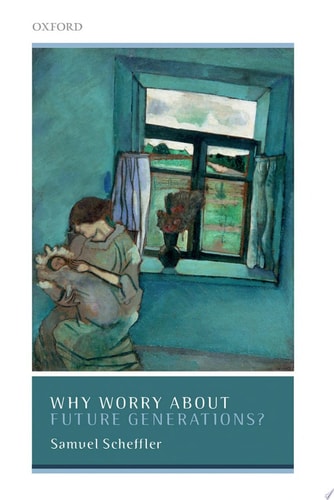
Why Worry About Future Generations?
0
0
As an Amazon Associate and affiliate partner, Menrva Books earns from qualifying purchases. Learn more
Author Description
The Things We Do Today May Make Life Worse For Future Generations. But Why Should We Care What Happens To People Who Won't Be Born Until After All Of Us Are Gone? Some Philosophers Have Treated This As A Question About Our Moral Responsibilities, And Have Argued That We Have Duties Of Beneficence To Promote The Well-being Of Our Descendants. Rather Than Focusing Exclusively On Issues Of Moral Responsibility, Samuel Scheffler Considers The Broader Question Of Why And How Future Generations Matter To Us. Although We Lack A Developed Set Of Ideas About The Value Of Human Continuity, We Are More Invested In The Fate Of Our Descendants Than We May Realize. Implicit In Our Existing Values And Attachments Are A Variety Of Powerful Reasons For Wanting The Chain Of Human Generations To Persist Into The Indefinite Future Under Conditions Conducive To Human Flourishing. This Has Implications For The Way We Think About Problems Like Climate Change. And It Means That Some Of Our Strongest Reasons For Caring About The Future Of Humanity Depend Not On Our Moral Duty To Promote The Good But Rather On Our Existing Evaluative Attachments And On Our Conservative Disposition To Preserve And Sustain The Things That We Value. This Form Of Conservatism Supports Rather Than Inhibits A Concern For Future Generations, And It Is An Important Component Of The Complex Stance We Take Toward The Temporal Dimension Of Our Lives.
Menrva's Summary
THE THESIS
This book investigates the philosophical foundations of why human beings value the survival and well-being of future generations. Samuel Scheffler, a professor of philosophy and law, challenges the traditional focus on moral duty and beneficence. Instead, he argues that our concern for the future is deeply rooted in our existing values, personal attachments, and a conservative disposition to preserve the things we find meaningful.
THE SCOPE MAP
What You Will Find
- A philosophical framework for understanding human continuity
- Analysis of the relationship between personal values and temporal existence
- Application of these concepts to contemporary issues like climate change
Scope Limits
- Does not provide a comprehensive policy guide for environmental legislation
- Does not focus on utilitarian calculations of future welfare
THE AUTHORITY PERSPECTIVE
Philosophers and academics frequently cite this work for its original approach to intergenerational ethics, noting its departure from standard moral obligation frameworks. Readers often describe the prose as intellectually rigorous yet accessible to those interested in the intersection of personal values and long-term human survival.
Page Count:
176
Publication Date:
2018-01-01
Publisher:
Oxford University Press
ISBN-10:
0192523945
ISBN-13:
9780192523945
Philosophy
Ethics
Humanity
Social Philosophy