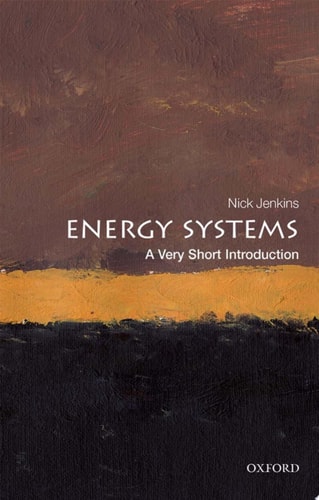
Energy Systems: A Very Short Introduction
0
0
As an Amazon Associate and affiliate partner, Menrva Books earns from qualifying purchases. Learn more
Author Description
Modern societies require energy systems to provide energy for cooking, heating, transport, and materials processing, as well as for electricity generation. Energy systems include the primary fuel, its conversion, and transport to the point of use. In many cases this primary fuel is still a fossil fuel, a one-use resource derived from a finite supply within our planet, causing considerable damage to the environment. After 300 years of increasing reliance on fossil fuels, particularly coal, it is becoming ever clearer that the present energy systems need to change. In this Very Short Introduction Nick Jenkins explores our historic investment in the exploitation of fossil energy resources and their current importance, and discusses the implications of our increasing rate of energy use. He considers the widespread acceptance by scientists and policy makers that our energy systems must reduce emissions of CO2 and other greenhouse gases, and looks forward to the radical changes in fuel technology that will be necessary to continue to provide energy supplies in a sustainable manner, and extend access across the developing world. Considering the impact of changing to an environmentally benign and low-carbon energy system, Jenkins also looks at future low-carbon energy systems which would use electricity from a variety of renewable energy sources, as well as the role of nuclear power in our energy use. About the Series: The Very Short Introductions series from Oxford University Press contains hundreds of titles in almost every subject area. These pocket-sized books are the perfect way to get ahead in a new subject quickly. Our expert authors combine facts, analysis, perspective, new ideas, and enthusiasm to make interesting and challenging topics highly readable.
Menrva's Summary
THE THESIS
This book investigates the urgent necessity of transitioning global energy systems from a reliance on finite, carbon-intensive fossil fuels to sustainable, low-carbon alternatives. Nick Jenkins, a professor of renewable energy, utilizes historical data and current technological assessments to argue that radical shifts in fuel infrastructure are required to mitigate environmental damage while maintaining global energy access.
THE SCOPE MAP
What You Will Find
- Historical overview of fossil fuel reliance over the last 300 years
- Analysis of current energy conversion and transport systems
- Evaluation of renewable energy sources and the role of nuclear power
- Discussion on the socio-economic implications of energy transitions
Scope Limits
- Does not provide detailed technical engineering manuals for specific power plants
- Does not offer exhaustive policy blueprints for individual nations
THE AUTHORITY PERSPECTIVE
Experts recognize this work as a concise, accessible primer for those seeking to understand the complexities of modern energy infrastructure. Readers frequently note the clarity of the prose, which effectively distills dense technical and environmental concepts for a general audience.
Page Count:
152
Publication Date:
2019-01-01
Publisher:
Oxford University Press
ISBN-10:
0192543520
ISBN-13:
9780192543523
Non-Fiction
Energy
Sustainability
Technology
Community Tags
Other Editions(3)
Similar Books











Reader Comments
Share Your Thoughts
No comments yet. Be the first to share your thoughts!