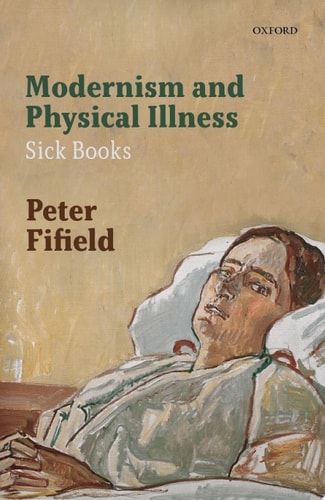
Modernism and Physical Illness: Sick Books
0
0
As an Amazon Associate and affiliate partner, Menrva Books earns from qualifying purchases. Learn more
Author Description
T. S. Eliot memorably said that separation of the man who suffers from the mind that creates is the root of good poetry. This book argues that this is wrong. Beginning from Virginia Woolf's 'On Being Ill', it demonstrates that modernism is, on the contrary, invested in physical illness as a subject, method, and stylizing force. Experience of physical ailments, from the fleeting to the fatal, the familiar to the unusual, structures the writing of the modernists, both as sufferers and onlookers. Illness reorients the relation to, and appearance of, the world, making it appear newly strange; it determines the character of human interactions and models of behaviour. As a topic, illness requires new ways of writing and thinking, altered ideas of the subject, and a re-examination of the roles of invalids and carers. This book reads the work five authors, who are also known for their illness, hypochondria, or medical work: D. H. Lawrence, Virginia Woolf, T. S. Eliot, Dorothy Richardson, and Winifred Holtby. It overturns the assumption that illness is a simple obstacle to creativity and instead argues that it is a subject of careful thought and cultural significance.
Menrva's Summary
THE THESIS
This book investigates the role of physical illness as a fundamental subject, method, and stylizing force within modernist literature, challenging the traditional separation of the suffering individual from the creative mind. Peter Fifield, a scholar of modernist literature, utilizes a framework that integrates medical history with close textual analysis. He argues that physical ailments—ranging from the transient to the terminal—actively structure the narrative techniques and thematic concerns of key modernist writers, rather than acting merely as impediments to their work.
THE SCOPE MAP
What You Will Find
- Analysis of five primary authors: D. H. Lawrence, Virginia Woolf, T. S. Eliot, Dorothy Richardson, and Winifred Holtby.
- Examination of the intersection between personal health experiences and literary output.
- Theoretical exploration of how illness reorients human perception and social interaction.
Scope Limits
- The study does not provide a comprehensive history of medicine in the early 20th century.
- It focuses specifically on the selected five authors rather than a broad survey of all modernist writers.
THE AUTHORITY PERSPECTIVE
Scholars and critics recognize this work as a significant contribution to the field of medical humanities and modernist studies. Readers frequently note the academic density of the prose and the precision with which the author connects clinical experience to stylistic innovation.
Page Count:
257
Publication Date:
2020-01-01
Publisher:
OUP Oxford
ISBN-10:
0192559354
ISBN-13:
9780192559357
History
Literary Criticism
English literature
Diseases and literature
Indigenous
Krankheit
Literature History
Literary theory
Modernism
19th Century
Community Tags
Similar Books