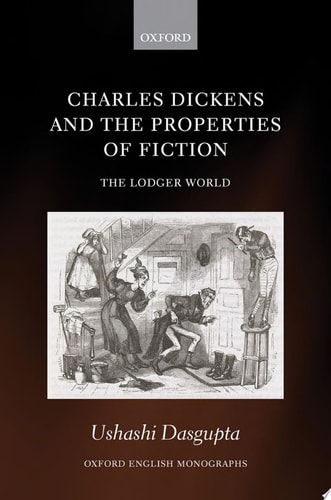
Charles Dickens and the Properties of Fiction: The Lodger World
0
0
As an Amazon Associate and affiliate partner, Menrva Books earns from qualifying purchases. Learn more
Author Description
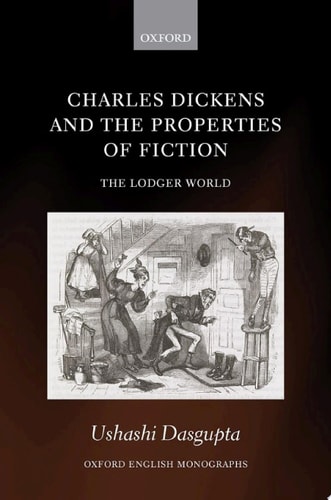
When Dickens was nineteen years old, he wrote a poem for Maria Beadnell, the young woman he wished to marry. The poem imagined Maria as a welcoming landlady offering lodgings to let. Almost forty years later, Dickens died, leaving his final novel unfinished - in its last scene, another landlady sets breakfast down for her enigmatic lodger. These kinds of characters are everywhere in Dickens's writing. Charles Dickens and the Properties of Fiction: The Lodger World explores the significance of tenancy in his fiction. In nineteenth century Britain the vast majority of people rented, rather than owned, their homes. Instead of keeping to themselves, they shared space - renting, lodging, taking lodgers in, or simply living side-by-side in a crowded modern city. Charles Dickens explored both the chaos and the unexpected harmony to be found in rented spaces, the loneliness and sociability, the interactions between cohabitants, the complex gender dynamics at play, and the relationship between space and money. Charles Dickens and the Properties of Fiction demonstrates that a cosy, secluded home life was beyond the reach of most Victorian Londoners, and considers Dickens's nuanced conception of domesticity. Tenancy maintained an enduring hold upon his imagination, giving him new stories to tell and offering him a set of models to think about authorship. He celebrated the fact that unassuming houses brim with narrative potential: comedies, romances, and detective plots take place behind their doors. Charles Dickens and the Properties of Fiction: The Lodger World wedges these doors open.
Menrva's Summary
THE THESIS
This work investigates how the prevalence of tenancy and the figure of the lodger in nineteenth-century Britain fundamentally shaped Charles Dickens's narrative structures and his conception of domesticity. Ushashi Dasgupta, a scholar of Victorian literature, utilizes a combination of biographical detail, historical context regarding urban housing, and close readings of Dickens's novels to argue that rented space served as a primary site for his exploration of social interaction, gender dynamics, and the mechanics of authorship. The book posits that the instability of the rented home provided Dickens with a unique framework for generating plot and character development throughout his career.
THE SCOPE MAP
What You Will Find
- Analysis of the socio-economic realities of nineteenth-century British housing and rental markets.
- Examination of the recurring 'lodger' archetype across Dickens's bibliography from his early poetry to his final unfinished novel.
- Exploration of the intersection between domestic space, financial status, and narrative potential.
Scope Limits
- The study focuses primarily on Dickens's specific literary output and does not provide a comprehensive history of Victorian architecture or urban planning.
- The analysis is limited to the thematic significance of tenancy and does not attempt a full biographical account of the author's life.
THE AUTHORITY PERSPECTIVE
Scholars and critics recognize this monograph as a specialized contribution to Dickensian studies, noting its focus on the intersection of material culture and narrative form. Readers frequently highlight the academic density of the prose and the author's ability to connect minor character tropes to broader Victorian social conditions.
Page Count:
323
Publication Date:
2020-01-01
Publisher:
OUP Oxford
ISBN-10:
0192602950
ISBN-13:
9780192602954
Biography
History
Indigenous
Literary Criticism
Academic
Victorian
Social History
19th Century
English literature