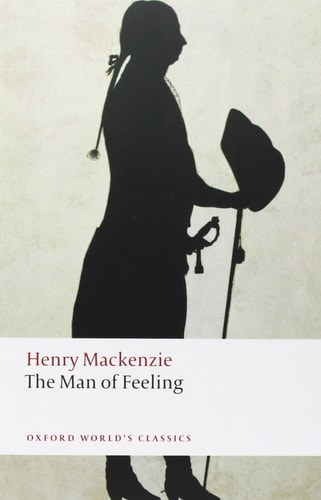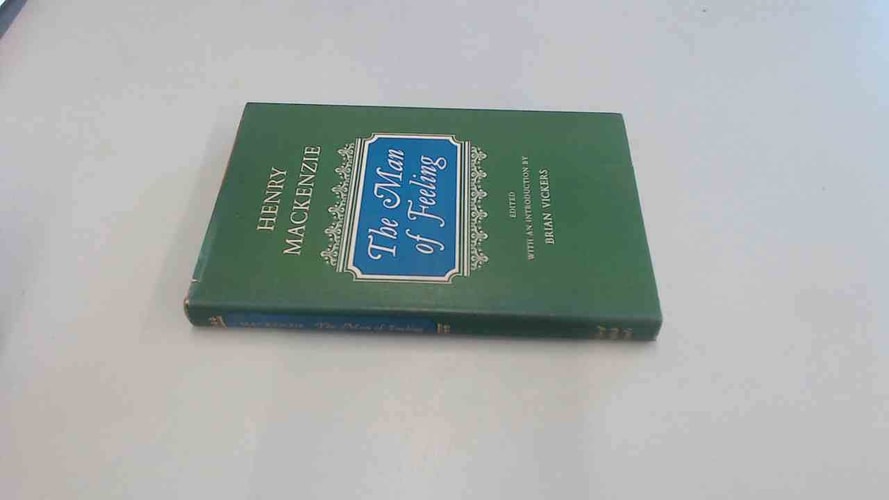
The Man of Feeling
0
0
As an Amazon Associate and affiliate partner, Menrva Books earns from qualifying purchases. Learn more
Author Description
In Mackenzie's popular novel of 1771, the sentimental hero's capacity for fine feeling reveals his true virtue. A series of episodes demonstrates Harley's benevolence in an uncaring world as he assists the down-trodden, loses his love, and fails to achieve worldly success. The novel asks a series of vital what morality is possible in a complex commercial world? Does trying to maintain it make you a saint or a fool? Can sentiment bond society or is it merely a luxury for the leisured classes? This edition reprints Brian Vickers's authoritative text, with a new introduction that discusses the novel in the context of the sentimental literature of which it is a pre-eminent example.
Menrva's Summary
THE PULSE
Harley, a man of profound sensitivity, attempts to navigate a callous, commercialized society while maintaining his moral integrity. Harley is a protagonist defined by his extreme emotional responsiveness and benevolence, qualities that frequently leave him vulnerable to exploitation by more cynical individuals. The narrative follows his episodic encounters with various figures in poverty or distress, highlighting the friction between his innate kindness and the harsh realities of a profit-driven world. The story is presented through a fragmented, non-linear framework, framed as a collection of papers salvaged from a clergyman, which emphasizes the incomplete and observational nature of Harley's life.
INSIDE THE PAGES
- Episodic narrative structure
- Epistolary framing device
- Focus on the sentimental hero archetype
- Exploration of 18th-century social stratification
- Critique of emerging commercial values
- Emphasis on internal emotional states over external action
- Use of moral exemplars to test character virtue
- Melancholic tone and atmospheric reflection
THE COLLECTIVE ECHO
Discussion often centers on the novel's role as a quintessential example of the sentimental movement in 18th-century literature. Readers frequently highlight the stark contrast between Harley's gentle nature and the indifference of the society he inhabits, which serves as the primary engine for the book's thematic inquiries. Critics often note that the pacing is intentionally slow and reflective, prioritizing the examination of moral philosophy over traditional plot progression. The work remains a subject of interest for those studying the evolution of the novel and the cultural value placed on emotional expression during the Enlightenment period.
Page Count:
168
Publication Date:
1967-01-01
Publisher:
Oxford University Press
ISBN-10:
0192553097
ISBN-13:
9780192553096
Self-help
British & Irish
18th century
Dramas & Plays
Philosophical
New Age
New Thought
classic
Sentimental