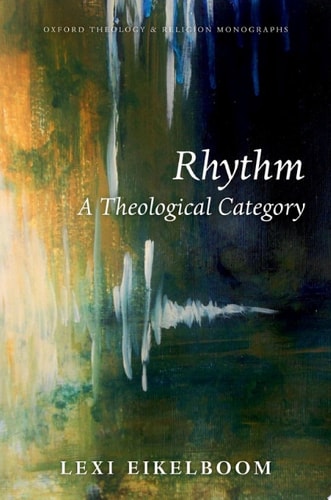
Rhythm: A Theological Category
0
0
As an Amazon Associate and affiliate partner, Menrva Books earns from qualifying purchases. Learn more
Author Description
Rhythm: A Theological Category argues that, as a pervasive dimension of human existence with theological implications, rhythm ought to be considered a category of theological significance. Philosophers and theologians have drawn on the category of rhythm—patterned movements of repetition and variation—to describe reality, however, the ways in which rhythm is used and understood differ based on a variety of metaphysical commitments with varying theological implications. Lexi Eikelboom brings those implications into the open through using resources from phenomenology, prosody, and the social sciences to analyse and evaluate uses of rhythm in metaphysical and theological accounts of reality. The analysis relies on a distinction from prosody between a synchronic approach to rhythm, which observes the whole at once and considers how various dimensions of a rhythm hold together harmoniously, and a diachronic approach, which focuses on the ways in which time unfolds as the subject experiences it. Based on an engagement with the twentieth-century Jesuit theologian Erich Przywara alongside thinkers as diverse as Augustine and the contemporary philosopher Giorgio Agamben, Eikelboom proposes an approach to rhythm that serves the concerns of theological conversation. It then demonstrates the difference that including rhythm in such theological conversation makes to how we think about questions such as what is creation and what is the nature of the God-creature relationship? From the perspective of rhythm. As a theoretical category, capable of expressing metaphysical commitments, yet shaped by the cultural rhythms in which those expressing such commitments are embedded, rhythm is particularly significant for theology as a phenomenon through which culture and embodied experience influence doctrine.
Menrva's Summary
THE THESIS
Can rhythm be established as a formal category of theological significance for understanding reality and the divine-human relationship? Lexi Eikelboom, a scholar in theology, investigates how rhythm functions as a pervasive dimension of human existence that carries profound metaphysical weight. By synthesizing insights from phenomenology, prosody, and social sciences, the author argues that rhythm is not merely an aesthetic quality but a structural element that shapes how doctrine is formed and experienced within cultural contexts.
THE SCOPE MAP
What You Will Find
- A comparative analysis of synchronic and diachronic approaches to rhythm derived from prosody.
- A critical engagement with the work of twentieth-century Jesuit theologian Erich Przywara.
- An examination of historical and contemporary thinkers including Augustine and Giorgio Agamben.
- A framework for applying rhythmic analysis to questions regarding creation and the nature of God.
Scope Limits
- The text does not provide a practical guide for musical or artistic performance.
- The analysis does not cover non-Western theological traditions or rhythmic structures outside of the specified philosophical lineage.
THE AUTHORITY PERSPECTIVE
Scholars and theologians identify this work as a rigorous contribution to the intersection of metaphysics and systematic theology. Readers frequently note the academic density of the prose, which requires familiarity with phenomenological and theological terminology to fully grasp the author's arguments.
Page Count:
272
Publication Date:
2018-01-01
Publisher:
Oxford University Press
ISBN-10:
0192563939
ISBN-13:
9780192563934
Religion
Philosophy
Theology
Metaphysics
Prosody
Phenomenology