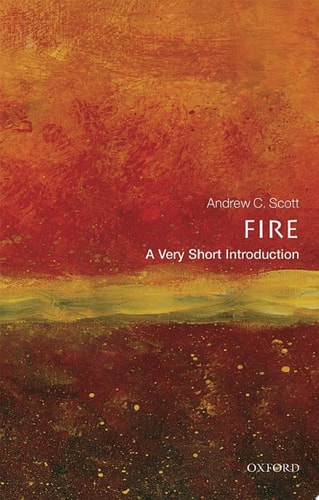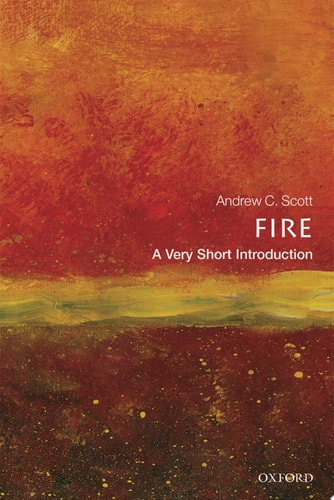
Fire: A Very Short Introduction
0
0
As an Amazon Associate and affiliate partner, Menrva Books earns from qualifying purchases. Learn more
Author Description
Fire Is Rarely Out Of The Headlines, From Large Natural Wildfires Raging Across The Australian Or Californian Countrysides To The Burning Of Buildings Such As The Disasters Of Grenfell Tower And Notre Dame. Fire On These Scales Can Represent A Serious Risk To Human Life And Property. But The Advent Of Fire Made And Controlled By Humans Also Represented A Crucial Point In Our Evolution, Allowing Us To Cook Our Food, Forge Our Weapons, And Warm Our Homes. This Very Short Introduction Covers The Fundamentals Of Fire, Whether Wild Or Under Human Control, Starting With The Basics Of Ignition, Combustion, And Fuel. Andrew Scott Considers Both Natural Wildfires And The Role Of Humans In Making And Suppressing Fire. Despite Frightening Reports Of Wildfire Destruction, He Also Shows How Landscape Fires Have Been Part Of Our Planet's History For 400 Million Years, And Do Not Always Have To Be Extinguished. He Also Considers The Problem Of Fires In Urban Settings, Including New Ways To Prevent Fires. The Cost Of Wildfire Can Be Steep - As Well As The Burning, Post-fire Erosion And Flooding Can Have A Great Impact On Both Humans And The Environment. It Can Also Have A Lasting Effect In Shaping Ecosystems And Plant Life. Scott Ends By Examining The Relationship Between Fire And The Climate, And Considering The Future Of Wildfire In A Warming World. About The Series: The Very Short Introductions Series From Oxford University Press Contains Hundreds Of Titles In Almost Every Subject Area. These Pocket-sized Books Are The Perfect Way To Get Ahead In A New Subject Quickly. Our Expert Authors Combine Facts, Analysis, Perspective, New Ideas, And Enthusiasm To Make Interesting And Challenging Topics Highly Readable.
Menrva's Summary
THE THESIS
This book investigates the dual nature of fire as both a fundamental evolutionary catalyst for human development and a persistent, destructive force in the natural and urban environment. Andrew C. Scott, a specialist in the study of fire history, utilizes geological records and modern environmental data to frame fire as a complex, long-standing planetary phenomenon. He argues that understanding the mechanics of combustion and the historical role of fire is necessary to navigate the challenges of a warming climate and urban safety.
THE SCOPE MAP
What You Will Find
- The chemical and physical basics of ignition, combustion, and fuel types.
- A 400-million-year historical overview of fire's role in shaping ecosystems.
- Analysis of fire management strategies in both wildland and urban settings.
- Discussion on the environmental consequences of fire, including post-fire erosion and flooding.
Scope Limits
- The text does not provide a comprehensive technical manual for firefighting techniques.
- It does not offer exhaustive regional case studies for every global wildfire event.
THE AUTHORITY PERSPECTIVE
Experts and readers recognize this text as a concise, accessible entry point for understanding the multifaceted role of fire in human and planetary history. The prose is noted for its ability to distill complex geological and environmental science into a format suitable for general readers.
Page Count:
144
Publication Date:
2020-01-01
Publisher:
Oxford University Press
ISBN-10:
0192565605
ISBN-13:
9780192565600
Nature
Non-Fiction
Science
History
Environment