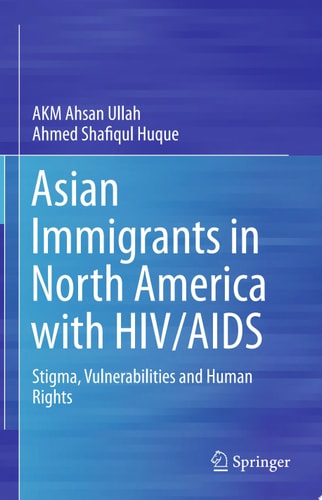
Asian Immigrants in North America with HIV/AIDS
0
0
As an Amazon Associate and affiliate partner, Menrva Books earns from qualifying purchases. Learn more
Author Description
This book explores a number of issues related to the stigma arising from HIV/AIDS infection, perceived or actual discrimination from the community and society and the extent of vulnerabilities for infected Asian refugees and immigrants. It assesses the health care and treatment regimen for HIV/AIDS accessed by immigrants and refugee claimants in North America, including treatments offered by the health-care system and ethnic communities and their perceptions and biases relating to HIV/AIDS issues. On another level, the book identifies the ways in which HIV-sufferer immigrants and refugees/refugee claimants from Asia are vulnerable to discrimination due to 1) lack of information about HIV/AIDS incidence in the community; 2) inability of the health system to respond appropriately; and 3) the community’s need for introspection on their own health issues. This book reveals the dynamics that influence choice, behavior and lifestyle of HIV sufferer immigrants, adds to the existing knowledge about refugees and migrants and proposes a unified theory of discrimination and stigmatization within the context of human rights. In addition, the book presents a number of policy recommendations based on empirical findings with a view to helping reshape polices regarding refugee HIV sufferers and their social ramifications. This book will be of interest to researchers and students in any field from social sciences, health and psychology, as well as practitioners in the field of development and public policy. The book will be beneficial to policy formulators and implementers engaged in addressing the serious threat emanating from the HIV/AIDS pandemic.
Menrva's Summary
THE THESIS
This book investigates the multifaceted challenges faced by Asian immigrants and refugees in North America living with HIV/AIDS. It examines the pervasive stigma associated with the infection, the resulting discrimination from communities and society, and the specific vulnerabilities of this population. The authors assess the healthcare and treatment regimens available, including those provided by formal health systems and ethnic communities, while also identifying biases and perceptions related to HIV/AIDS. Furthermore, the book explores the dynamics influencing the choices, behaviors, and lifestyles of infected individuals, contributing to the knowledge base on refugees and migrants.
THE SCOPE MAP
- Exploration of stigma arising from HIV/AIDS infection.
- Assessment of perceived or actual discrimination from community and society.
- Analysis of vulnerabilities for infected Asian refugees and immigrants.
- Evaluation of healthcare and treatment regimens accessed by immigrants and refugee claimants.
- Identification of biases and perceptions relating to HIV/AIDS issues within ethnic communities.
- Examination of factors contributing to discrimination: lack of information, inadequate health system response, and community introspection.
- Proposal of a unified theory of discrimination and stigmatization within a human rights context.
- Presentation of policy recommendations based on empirical findings.
THE AUTHORITY PERSPECTIVE
This book is positioned as a valuable resource for researchers and students across social sciences, health, and psychology, as well as practitioners in development and public policy. Its empirical findings and policy recommendations are intended to inform and assist policy formulators and implementers addressing the HIV/AIDS pandemic, particularly concerning refugee populations. The work aims to add to existing knowledge on refugees and migrants by proposing a unified theory of discrimination and stigmatization. It is expected to be of interest to those engaged with the social ramifications of the HIV/AIDS pandemic.
Page Count:
198
Publication Date:
2014-08-31
Publisher:
Springer Nature
ISBN-10:
9812871195
ISBN-13:
9789812871190
Health
Non-Fiction
Politics
Public Policy
Immigration
Sociology
Community Tags
Similar Books