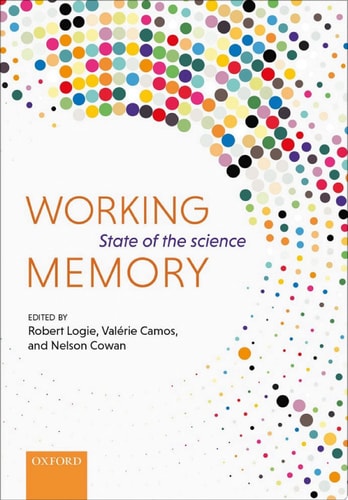
Working Memory: The State of the Science
0
0
As an Amazon Associate and affiliate partner, Menrva Books earns from qualifying purchases. Learn more
Author Description
Working memory refers to how we keep track of what we are doing moment to moment throughout our waking lives. It allows us to remember what we have just done, focus on what we are doing now, to solve problems, be creative, think about what we will be doing in the next few seconds, and continually to update in our mind changes around us throughout the day. This book brings together in one volume, state-of-the-science chapters written by the most productive and well known working memory researchers worldwide. Chapters cover different approaches to understanding how working memory works, using behavioural experimental techniques, neuroimaging, computational modelling, how it changes from childhood through to healthy old age, how it is affected by dementia and brain damage, and how it is used in everyday life. A unique feature of the book is that each chapter starts with answers to a set of common questions for all authors. This allows readers very rapidly to compare key differences in theoretical assumptions and approaches to working memory across chapters, and to understand the theoretical context before going on to read each chapter in detail. Uniquely, all authors consider evidence that is not consistent with their theoretical assumptions, whereas it is common for authors to ignore contradictory evidence. This approach leads to new interpretations and new hypotheses to test in future research and greatly enhances our understanding of this crucial human ability. Written and edited by the leading researchers in the field, the book will be an important and influential addition to the memory literature.
Menrva's Summary
THE THESIS
This volume investigates the current state of scientific understanding regarding working memory, the cognitive system responsible for temporary storage and manipulation of information. Edited by Nelson Cowan, Robert Logie, and Valerie Camos, the book compiles contributions from leading researchers to synthesize diverse theoretical frameworks. The authors utilize a comparative approach, requiring contributors to address standardized questions and confront evidence that contradicts their own established models.
THE SCOPE MAP
What You Will Find
- Comparative analysis of theoretical models of working memory
- Integration of behavioral experimental techniques and neuroimaging data
- Computational modeling approaches to cognitive architecture
- Developmental trajectories from childhood through healthy aging
- Clinical perspectives on dementia and brain damage
Scope Limits
- Does not provide a singular, unified theory of working memory
- Focuses primarily on cognitive and neurological mechanisms rather than therapeutic interventions
THE AUTHORITY PERSPECTIVE
Experts recognize this volume as a significant resource for researchers and graduate students due to its structured comparative format. Readers frequently note the academic density of the prose, which serves as a comprehensive survey of contemporary debates in the field of cognitive psychology.
Page Count:
453
Publication Date:
2020-01-01
Publisher:
OUP Oxford
ISBN-10:
0192579649
ISBN-13:
9780192579645
Psychology
Neuroscience
Short-term memory
Allied Health
Academic
Memory
Medical
Reference
Community Tags
Similar Books