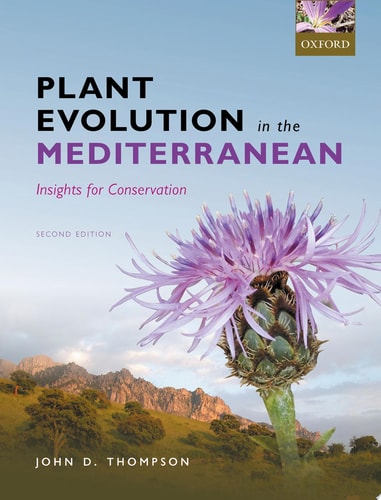
Plant Evolution in the Mediterranean: Insights for Conservation
0
0
As an Amazon Associate and affiliate partner, Menrva Books earns from qualifying purchases. Learn more
Author Description
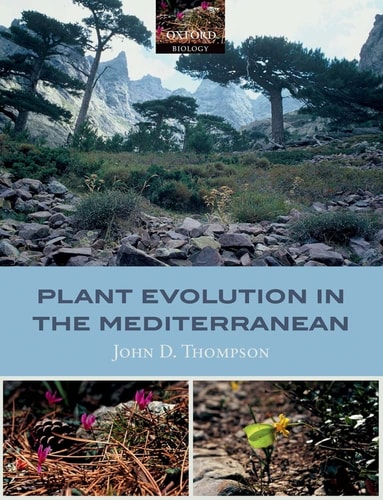
Since the first edition of this book published in 2005, there has been an immense amount of new and fascinating work on the history, ecology, and evolution of the Mediterranean flora. During this time, human impacts have continued to increase dramatically, significantly influencing both the ecology and evolution of the region's biota. This timely and comprehensive update of the original text integrates a diverse and scattered literature to produce a synthetic account of Mediterranean plant evolutionary ecology. It maintains the accessible style of its previous version whilst incorporating recent work in a new structural framework. This is not a traditional "plant science" book per se, but a novel integration of history, ecology, biogeography, and evolution, all set in the context of a dramatically increasing human footprint. There is a particular emphasis on the role of human activities as an ecological factor and their subsequent impact on plant evolution. Conversely, it demonstrates how an understanding of the evolutionary ecology of the region's flora can be used to provide insights into its future conservation and management. Plant Evolution in the Mediterranean is aimed at all those who are interested in the biology of the Mediterranean region, whether it is taxonomy, ecology, evolution, conservation policy and management, or the regional history of its biodiversity in general. It will be of relevance and use to all graduate students and researchers of Mediterranean-type ecosystem ecology and geography, as well as professional ecologists, evolutionary biologists, conservation biologists, and environmental practitioners requiring a concise, authoritative overview of the topic.
Menrva's Summary
THE THESIS
This book investigates how the evolutionary history and ecological dynamics of Mediterranean flora inform contemporary conservation strategies in the face of increasing human impact. John D. Thompson, a specialist in plant evolutionary ecology, synthesizes fragmented research to provide a comprehensive framework for understanding how regional biodiversity responds to environmental and anthropogenic pressures. The text argues that integrating historical biogeography with modern ecological data is necessary to manage the future of Mediterranean-type ecosystems effectively.
THE SCOPE MAP
What You Will Find
- Analysis of the evolutionary history and ecology of Mediterranean plant species.
- Examination of human activity as a primary driver of evolutionary change.
- Synthesis of biogeographical data and conservation management strategies.
Scope Limits
- The text focuses specifically on Mediterranean-type ecosystems and does not provide a global survey of plant evolution.
- It is not a general taxonomy manual but rather a specialized study of evolutionary ecology.
THE AUTHORITY PERSPECTIVE
Experts recognize this work as a foundational synthesis for researchers and graduate students focused on Mediterranean biodiversity. Readers frequently note the academic density of the prose, which effectively bridges the gap between theoretical evolutionary biology and practical conservation policy.
Page Count:
464
Publication Date:
2020-01-01
Publisher:
OUP Oxford
ISBN-10:
0192572032
ISBN-13:
9780192572035
Science
Botany
Evolutionary Biology
Ecology
Biogeography
Conservation
Community Tags
Similar Books