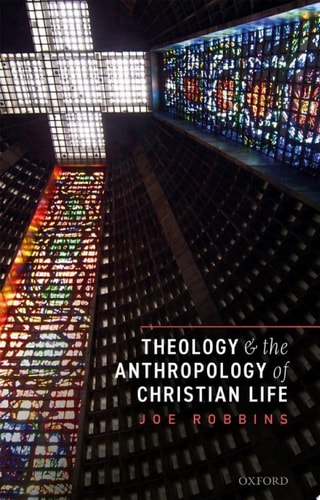
Theology and the Anthropology of Christian Life
0
0
As an Amazon Associate and affiliate partner, Menrva Books earns from qualifying purchases. Learn more
Author Description
Anthropological theory can radically transform our understanding of human experience and offer theologians an introduction to the interdisciplinary nature between anthropology and Christianity. Both sociocultural anthropology and theology have made fundamental contributions to our understanding of human experience and the place of humanity in the world. But can these two disciplines, despite the radical differences that separate them, work together to transform their thinking on these topics? Robbins argues that they can. To make this point, he draws on key theological discussions of atonement, eschatology, interruption, passivity, and judgement to rethink important anthropological debates about such topics as ethical life, radical change, the ways people live in time, agency, gift giving, and the nature of humanity. The result is both a major reconsideration of important aspects of anthropological theory through theological categories and a series of careful readings of influential theologians such as Moltmann, Pannenberg, Jüngel, and Dalferth informed by rich ethnographic accounts of the lives of Christians from around the world. In conclusion, Robbins draws on contemporary discussions of secularism to interrogate the secular foundations of anthropology and suggests that the differences between anthropology and theology surrounding this topic can provide a foundation for transformative dialogue between them, rather than being an obstacle to it. Written as a work of interdisciplinary anthropological theorizing, this book also offers theologians an introduction to some of the most important ground covered by burgeoning field of the anthropology of Christianity while guiding anthropologists into core areas of theological discussion. Although theoretically ambitious, the book is clearly argued throughout and written to be accessible to all readers in the social sciences, theology, and religious studies interested in the place of religion in social life and human exper
Menrva's Summary
THE THESIS
Can the distinct disciplines of sociocultural anthropology and theology engage in a productive, transformative dialogue regarding the nature of human experience and existence? Joel Robbins, a prominent anthropologist, argues that these fields can mutually inform one another by bridging their methodological divides. He utilizes theological concepts such as atonement and eschatology to re-examine anthropological debates on agency, ethics, and radical change, while grounding these discussions in ethnographic research.
THE SCOPE MAP
What You Will Find
- Analysis of theological concepts including atonement, eschatology, interruption, and passivity.
- Comparative study of anthropological themes such as gift giving, ethical life, and human agency.
- Engagement with the works of theologians including Moltmann, Pannenberg, Jüngel, and Dalferth.
- Examination of the secular foundations of anthropology and its implications for interdisciplinary dialogue.
Scope Limits
- The text does not provide an exhaustive history of either field, focusing instead on specific points of intersection.
- It does not offer a comprehensive survey of all global Christian practices, prioritizing specific ethnographic accounts.
THE AUTHORITY PERSPECTIVE
Scholars in religious studies and anthropology frequently cite this work as a significant contribution to the burgeoning field of the anthropology of Christianity. Readers often note the academic density of the prose, which requires familiarity with both theological and anthropological terminology to fully grasp the author's arguments.
Page Count:
208
Publication Date:
2020-01-01
Publisher:
OUP Oxford
ISBN-10:
0192583697
ISBN-13:
9780192583697
Religion
Christianity
Theology
Social Science
Theological anthropology
Theology doctrinal
Interdisciplinary Studies
Anthropology
Community Tags
Similar Books