The Marquise de Gange
0
0
As an Amazon Associate and affiliate partner, Menrva Books earns from qualifying purchases. Learn more
Author Description
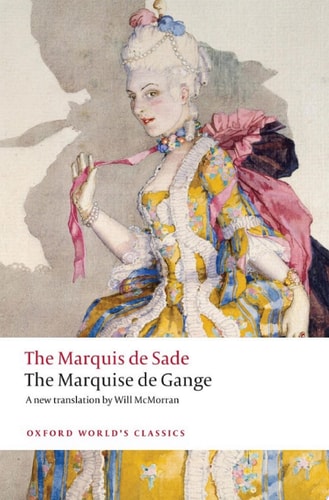
'It is time to die, Madame: there shall be no mercy for you..!' It was one of the most shocking crimes of the seventeenth century, and would provide Sade with the inspiration for the last novel he published. The beautiful and virtuous Euphrasie, admired by the King himself, falls in love with the young and handsome Alphonse, Marquis de Gange. Within the forbidding walls of his castle in Provence, however, sinister forces are conspiring against the young couple. Alphonse's brothers, the Abbé and the Chevalier, want Euphrasie for themselves. Published in English for the first time, The Marquise de Gange is a neglected Gothic classic by one of the most notorious authors in the literary canon. Although a departure from his earlier pornographic and libertine works, beneath the novel's thin veneer of respectability lurks the same subversive presence of an author plotting against virtue in distress.
Menrva's Summary
THE PULSE
The virtuous Euphrasie finds her life and honor threatened by the predatory machinations of her husband's brothers within the isolated confines of a Provençal castle. Euphrasie, a woman of celebrated beauty and moral integrity, seeks a life of domestic stability after marrying the Marquis de Gange. Her objective is thwarted by the arrival of her husband's siblings, the Abbé and the Chevalier, whose obsessive desires transform the castle into a site of psychological and physical entrapment. The narrative operates within the conventions of the Gothic tradition, emphasizing the vulnerability of the protagonist against the calculated cruelty of her antagonists. The story unfolds through a structured, third-person perspective that highlights the stark contrast between the protagonist's virtue and the moral decay of her captors.
INSIDE THE PAGES
- Gothic atmosphere centered on the isolation of a remote castle
- Exploration of the 'virtue in distress' trope common in 18th-century literature
- Psychological tension derived from familial betrayal
- Examination of moral corruption within the aristocracy
- Stylistic shift from the author's earlier libertine works toward a more conventional narrative structure
- Focus on the subversion of traditional romantic expectations
- Detailed depiction of the protagonist's internal struggle against external threats
- Use of historical crime as a foundation for fictionalized drama
THE COLLECTIVE ECHO
Discussion often centers on the unique position this novel occupies within the author's bibliography, as it lacks the explicit content found in his more infamous writings. Readers frequently highlight the tension between the author's reputation and the relatively restrained, albeit dark, tone of this specific work. Critics often analyze how the narrative utilizes the Gothic framework to critique the hypocrisy of the nobility during the seventeenth century. The pacing is noted for its methodical buildup of dread, which effectively emphasizes the protagonist's inevitable descent into peril. Many readers appreciate the work as a significant example of how the author adapted his subversive themes into a more traditional literary format.
Page Count:
237
Publication Date:
2021-01-01
Publisher:
OUP Oxford
ISBN-10:
0192587706
ISBN-13:
9780192587701
Historical
Tragedy
English & College Success
English
classic
French literature
Gothic
Community Tags
Similar Books