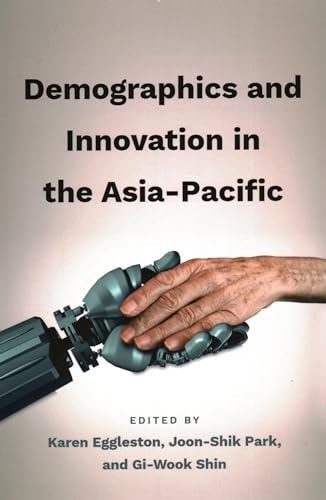
Demographics and Innovation in the Asia-Pacific
0
0
As an Amazon Associate and affiliate partner, Menrva Books earns from qualifying purchases. Learn more
Author Description
Demographic transition, along with the economic and geopolitical re-emergence of Asia, are two of the largest forces shaping the twenty-first century, but little is known about the implications for innovation. The countries of East Asia have some of the oldest age structures on the planet: between now and 2050, the population that is age 65 and older will increase to more than one in four Chinese, and to more than one in three Japanese and Koreans. Other economies with younger populations, like India, face the challenge of fully harnessing the "demographic dividend" from large cohorts in the working ages. This book delves into how such demographic changes shape the supply of innovation and the demand for specific kinds of innovation in the Asia-Pacific. Social scientists from Asia and the United States offer multidisciplinary perspectives from economics, demography, political science, sociology, and public policy; topics range from the macroeconomic effects of population age structure, to the microeconomics of technology and the labor force, to the broader implications for human well-being. Contributors analyze how demography shapes productivity and the labor supply of older workers, as well as explore the aging population as consumers of technologies and drivers of innovations to meet their own needs, as well as the political economy of spatial development, agglomeration economies, urban-rural contrasts, and differential geographies of aging.--Publisher description.
Menrva's Summary
THE THESIS
This book investigates the complex interplay between demographic shifts and innovation within the dynamic Asia-Pacific region. It examines how aging populations in East Asia, alongside the challenges of harnessing demographic dividends in younger nations like India, influence both the supply and demand for innovation. The contributors, a mix of social scientists from Asia and the United States, employ multidisciplinary approaches from economics, demography, political science, sociology, and public policy to analyze these critical forces shaping the 21st century.
THE SCOPE MAP
- Analysis of the macroeconomic effects of population age structure on innovation.
- Exploration of the microeconomics of technology and the labor force in relation to demographic changes.
- Examination of the aging population as consumers and drivers of innovation.
- Discussion of the political economy of spatial development and agglomeration economies.
- Investigation of urban-rural contrasts and differential geographies of aging.
- Multidisciplinary perspectives from economics, demography, political science, sociology, and public policy.
THE AUTHORITY PERSPECTIVE
The book brings together scholars from Asia and the United States to offer multidisciplinary insights into the relationship between demographic transitions and innovation in the Asia-Pacific. It addresses significant global trends, such as the aging populations in East Asian countries and the potential of demographic dividends in younger economies. The collection explores a wide range of topics, from macroeconomic impacts to the specific needs and contributions of aging consumers, providing a comprehensive overview of the subject.
Page Count:
246
Publication Date:
2021-01-01
Publisher:
Stanford/Walter H. Shorenstein Asia-Pacific Research Center, Freeman Spogli Institute
ISBN-10:
1931368635
ISBN-13:
9781931368636
Politics
Non-Fiction
Economics
Demographics
Public Policy
Sociology
Innovation