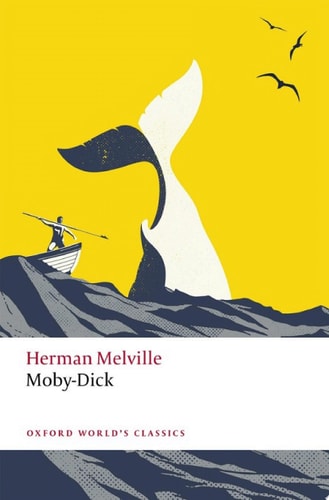
Moby-Dick
0
0
As an Amazon Associate and affiliate partner, Menrva Books earns from qualifying purchases. Learn more
Author Description
"It will be a strange sort of a book, tho', I fear; blubber is blubber you know; tho' you may get oil out of it, the poetry runs as hard as sap from a frozen maple tree;--& to cook the thing up, one must needs throw in a little fancy.... Yet I mean to give the truth of the thing, spite of this." Moby-Dick has a monumental reputation. Less well known are the novel's unexpectedly weird, funny, tantalizing, messy, and wondrous moments. Narrator Ishmael, along with the whaleship Pequod's other "meanest mariners, and renegades and castaways", is beguiled into joining Captain Ahab in his vengeful pursuit of the white whale that "dismasted" him. But along the way, Ishmael takes the reader along many a detour into variegated ways of knowing. In a tone "strangely compounded of fun and fury", Moby-Dick brings outlandish curiosity to bear on the multitudinous, oceanic scale of our diverse world.
Menrva's Summary
THE PULSE
Ishmael, a sailor seeking escape from land-bound melancholy, joins the crew of the Pequod only to find himself ensnared in Captain Ahab’s monomaniacal quest for vengeance against the white whale that maimed him. The narrative follows Ishmael’s perspective as he observes the ship’s diverse crew and the escalating obsession of their captain. The story operates within a rigid maritime hierarchy, constrained by the physical dangers of the open ocean and the logical impossibility of Ahab’s singular goal. The narrative framework is primarily first-person, interspersed with encyclopedic digressions on whaling and cetology that expand the scope beyond a standard nautical adventure.
INSIDE THE PAGES
- First-person narration by the observant Ishmael
- Extensive technical chapters detailing whaling practices and whale anatomy
- Shakespearean-style soliloquies delivered by Captain Ahab
- A diverse, international crew representing a microcosm of humanity
- Symbolism centered on the white whale as an ambiguous entity
- Shifts in tone ranging from comedic observation to existential dread
- Non-linear philosophical meditations on nature and divinity
- A climactic, high-stakes confrontation between man and nature
THE COLLECTIVE ECHO
Readers and critics frequently note the stylistic complexity of the work, which balances traditional narrative momentum with dense, non-fictional digressions. Discussion often centers on the ambiguity of the white whale, which serves as a canvas for various theological and psychological interpretations. Many readers highlight the contrast between the claustrophobic, intense atmosphere aboard the Pequod and the expansive, often detached scientific descriptions of the sea. The text is widely recognized for its linguistic innovation and its ability to shift seamlessly between gritty realism and abstract philosophical inquiry. Scholars and casual readers alike continue to debate the moral implications of Ahab’s leadership and Ishmael’s role as a witness to the unfolding tragedy.
Page Count:
200
Publication Date:
2022-01-01
Publisher:
OUP Oxford
ISBN-10:
0192595210
ISBN-13:
9780192595218
Adventure
Philosophical
English & College Success
Classic Literature
Epic
Sea Stories
English
Community Tags
Other Editions(28)
Union Square Publishing
2025
Default edition
Autri Books
2025
Autri Books
2025
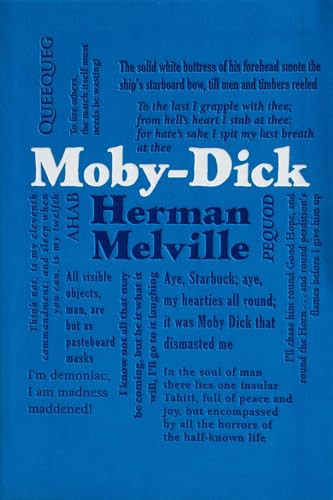
Canterbury Classics
2025

Union Square & Company
2024
OUP Oxford
2022

Independently Published
2021

Independently Published
2021
Independently published
2021

Independently Published
2020
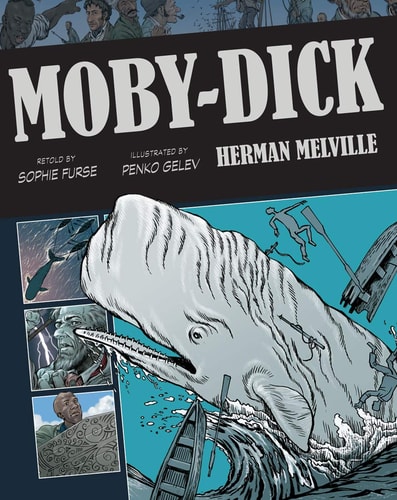
Sterling Publishing Company, Incorporated
2020

Karma
2020
Independently Published
2019

CreateSpace Independent Publishing Platform
2017
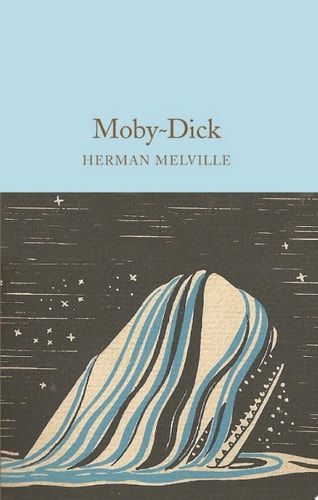
Pan Macmillan
2016

Ediciones Colihue SRL
2016
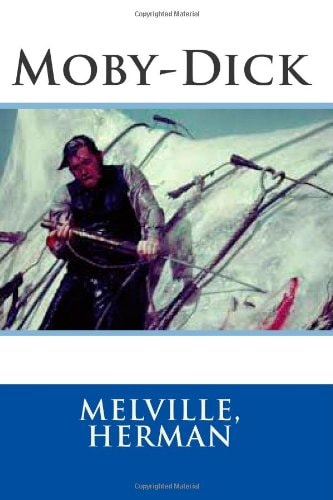
CreateSpace Independent Publishing Platform
2014

CreateSpace Independent Publishing Platform
2014
Max Bollinger
2012

Dover Publications, Incorporated
2012
Velvet Element
2008
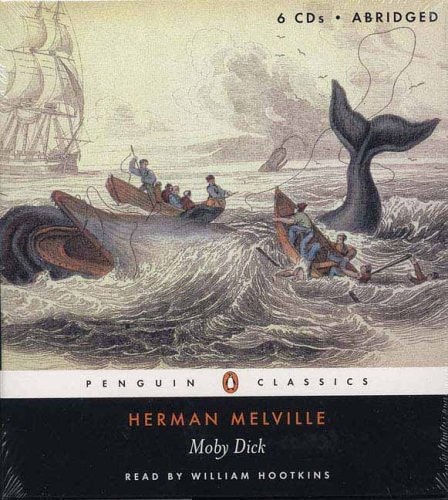
Penguin Audio
2005

Random House Publishing Group
2003
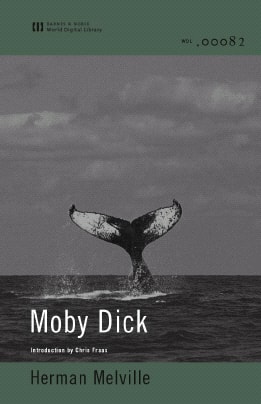
Barnes & Noble World Digital Library
2002

Circulo de Lectores, S.A.
1994

Hiares Editorial, S.A.
1987

Penguin Classics
1973

Norton
1967
Similar Books




Reader Comments
Share Your Thoughts
No comments yet. Be the first to share your thoughts!