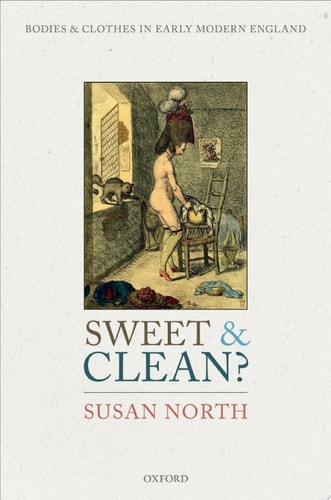
Sweet and Clean?: Bodies and Clothes in Early Modern England
0
0
As an Amazon Associate and affiliate partner, Menrva Books earns from qualifying purchases. Learn more
Author Description
Sweet and Clean? challenges the widely held beliefs on bathing and cleanliness in the past. For over thirty years, the work of the French historian, George Vigarello, has been hugely influential on early modern European social history, describing an aversion to water and bathing, and the use of linen underwear as the sole cleaning agent for the body. However, these concepts do not apply to early modern England. Sweet and Clean? analyses etiquette and medical literature, revealing repeated recommendations to wash or bathe in order to clean the skin. Clean linen was essential for propriety but advice from medical experts was contradictory. Many doctors were convinced that it prevented the spread of contagious diseases, but others recommended flannel for undergarments, and a few thought changing a fever patient's linens was dangerous. The methodology of material culture helps determine if and how this advice was practiced. Evidence from inventories, household accounts and manuals, and surviving linen garments tracks underwear through its life-cycle of production, making, wearing, laundering, and final recycling. Although the material culture of washing bodies is much sparser, other sources, such as the Old Bailey records, paint a more accurate picture of cleanliness in early modern England than has been previously described. The contrasting analyses of linen and bodies reveal what histories material culture best serves. Finally, what of the diseases-plague, smallpox, and typhus-that cleanliness of body and clothes were thought to prevent? Did following early modern medical advice protect people from these illnesses?
Menrva's Summary
THE THESIS
This book investigates the historical accuracy of the prevailing belief that early modern English society avoided water and relied exclusively on linen for personal hygiene. Author Susan North, a specialist in material culture, challenges the long-standing influence of French historian George Vigarello by examining medical literature, etiquette manuals, and primary source records from early modern England. The work argues that the relationship between cleanliness, clothing, and disease prevention was far more complex and contradictory than previously assumed in social history.
THE SCOPE MAP
What You Will Find
- Analysis of medical advice regarding bathing and the use of linen as a prophylactic against disease.
- Examination of the life-cycle of linen garments, including production, laundering, and recycling.
- Integration of material culture methodology with archival evidence from household accounts and Old Bailey records.
Scope Limits
- The study focuses specifically on early modern England and does not provide a comprehensive survey of European bathing habits.
- The research acknowledges a scarcity of physical evidence regarding the material culture of body washing compared to the abundance of textile records.
THE AUTHORITY PERSPECTIVE
Historians and scholars of material culture recognize this work as a significant corrective to established narratives regarding early modern hygiene. Readers frequently note the meticulous use of primary sources to bridge the gap between theoretical medical advice and actual daily practice.
Page Count:
355
Publication Date:
2020-01-01
Publisher:
OUP Oxford
ISBN-10:
019259821X
ISBN-13:
9780192598219
History
Hygiene
Clothing & Dress
Cultural History
Bathing customs
Early Modern
Social History
Manners and customs
European History
Community Tags
Similar Books