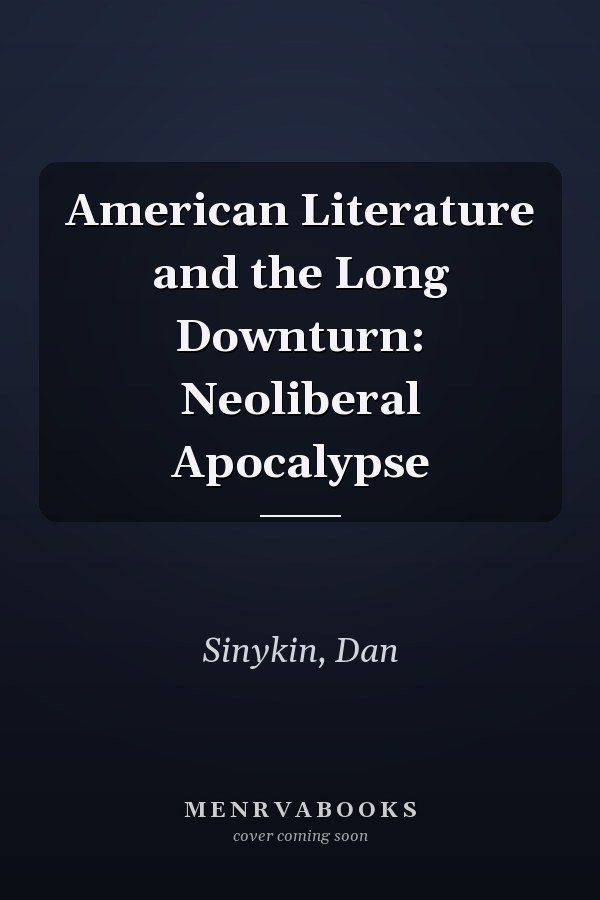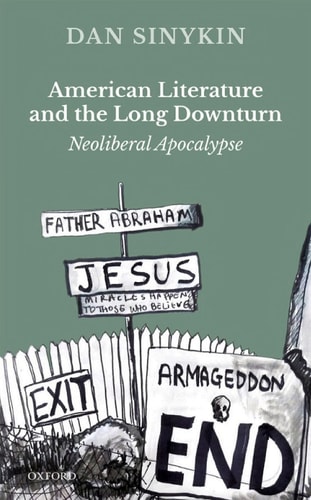
American Literature and the Long Downturn: Neoliberal Apocalypse
0
0
As an Amazon Associate and affiliate partner, Menrva Books earns from qualifying purchases. Learn more
Author Description
Apocalypse shapes the experience of millions of Americans. Not because they face imminent cataclysm, however true this is, but because apocalypse is a story they tell themselves. It offers a way out of an otherwise irredeemably unjust world. Adherence to it obscures that it is a story, rather than a description of reality. And it is old. Since its origins among Jewish writers in the first centuries BCE, apocalypse has recurred as a tempting and available form through which to express a sense of hopelessness. Why has it appeared with such force in the US now? What does it mean? This book argues that to find the meaning of our apocalyptic times we need to look at the economics of the last five decades, from the end of the postwar boom. After historian Robert Brenner, this volume calls this period the long downturn. Though it might seem abstract, the economics of the long downturn worked its way into the most intimate experiences of everyday life, including the fear that there would be no tomorrow, and this fear takes the form of 'neoliberal apocalypse'. The varieties of neoliberal apocalypse--horror at the nation's commitment to a racist, exclusionary economic system; resentment about threats to white supremacy; apprehension that the nation has unleashed a violence that will consume it; claustrophobia within the limited scripts of neoliberalism; suffocation under the weight of debt--together form the discordant chord that hums under American life in the twenty-first century. For many of us, for different reasons, it feels like the end is coming soon and this book explores how we came to this, and what it has meant for literature.
Menrva's Summary
THE THESIS
How does the economic phenomenon of the 'long downturn' manifest as a recurring apocalyptic narrative in contemporary American literature? Dan Sinykin examines the intersection of economic history and literary production over the last five decades. By applying Robert Brenner's concept of the 'long downturn' to cultural output, the author argues that the pervasive sense of impending doom in American fiction is a direct response to the structural constraints and anxieties of neoliberalism. The text posits that apocalyptic storytelling functions as a coping mechanism for the systemic instability and debt-laden reality of the twenty-first century.
THE SCOPE MAP
What You Will Find
- Analysis of the economic shift from the postwar boom to the current era of stagnation.
- A framework linking neoliberal economic policy to specific literary tropes and themes.
- Examination of how apocalyptic narratives reflect societal anxieties regarding race, debt, and systemic violence.
Scope Limits
- The study focuses primarily on American literature and does not provide a comprehensive global survey of apocalyptic fiction.
- The analysis prioritizes economic and structural factors over purely aesthetic or formalist literary criticism.
THE AUTHORITY PERSPECTIVE
Scholars in the field of contemporary literary studies recognize this work as a significant contribution to the intersection of materialist critique and cultural analysis. Readers frequently note the academic density of the prose, which requires a foundational understanding of both economic history and literary theory to fully engage with the author's arguments.
Page Count:
195
Publication Date:
2020-01-01
Publisher:
OUP Oxford
ISBN-10:
0192594265
ISBN-13:
9780192594266
Economics
History
Economics history
Neoliberalism
In literature
American
Economic History
Literary Criticism