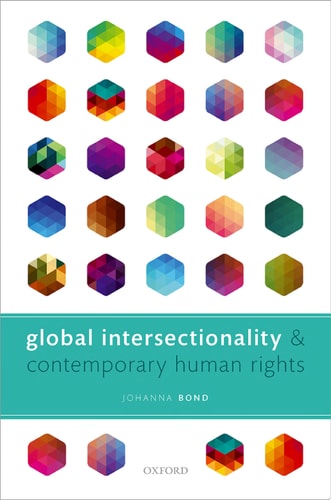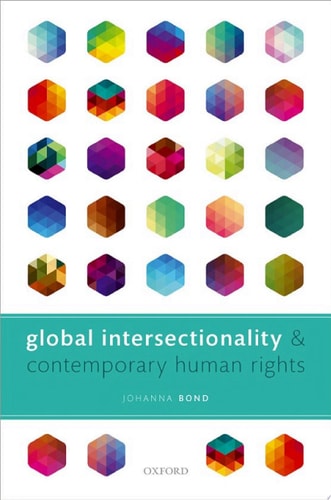
Global Intersectionality and Contemporary Human Rights
0
0
As an Amazon Associate and affiliate partner, Menrva Books earns from qualifying purchases. Learn more
Author Description
Global Intersectionality and Contemporary Human Rights argues for an expansive definition of human rights, one that encompasses the harm caused by multiple, intersecting forms of subordination. Intersectionality theory posits that aspects of identity, such as race and gender, are mutually constitutive and intersect to create unique experiences of discrimination and subordination. Perpetrators of sexual violence in armed conflict, of example, often target women based on both gender and ethnicity. Human rights remedies that fail to capture the intersectional nature of human rights violations do not offer comprehensive redress to victims. This title explores the influence of intersectionality theory on human rights in the modern era and traces the evolution of intersectionality as a theoretical framework in the United States and around the world. It draws upon feminist theory and human rights jurisprudence to argue that scholars and activists have under-utilized intersectionality theory in the global discourse of human rights. As the central intergovernmental organization charged with the protection of human rights, the United Nations has been slow to embrace the insights gained from intersectionality theory. This work argues that the United Nations and other human rights organizations must more actively embrace intersectionality as an analytical framework in order to fully address the complexity of human rights violations around the world.
Menrva's Summary
THE THESIS
This book investigates the necessity of integrating intersectionality theory into global human rights frameworks to address the multifaceted nature of discrimination and subordination. Johanna Bond, a legal scholar, utilizes feminist theory and international human rights jurisprudence to argue that current legal remedies are insufficient because they fail to account for the mutually constitutive nature of identity-based harms. The text posits that international bodies, particularly the United Nations, must adopt an intersectional analytical framework to provide comprehensive redress for victims of complex human rights violations.
THE SCOPE MAP
What You Will Find
- Analysis of intersectionality theory within the United States and global legal contexts
- Examination of human rights jurisprudence regarding sexual violence in armed conflict
- Critique of current United Nations human rights mechanisms
- Theoretical synthesis of feminist legal studies and international law
Scope Limits
- Does not provide a comprehensive history of all human rights treaties
- Focuses primarily on institutional and legal frameworks rather than grassroots activism
THE AUTHORITY PERSPECTIVE
Experts identify this work as a significant contribution to the intersection of legal theory and human rights advocacy. Readers frequently note the academic density of the prose, which serves as a rigorous resource for scholars and practitioners in the field of international law.
Page Count:
544
Publication Date:
2021-01-01
Publisher:
OUP Oxford
ISBN-10:
0192639544
ISBN-13:
9780192639547
Feminist Theory
International relations
Sociology
Professional Career & Trade
Human rights
Law