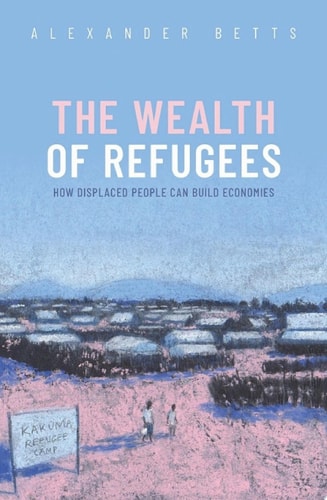
The Wealth of Refugees: How Displaced People Can Build Economies
0
0
As an Amazon Associate and affiliate partner, Menrva Books earns from qualifying purchases. Learn more
Author Description
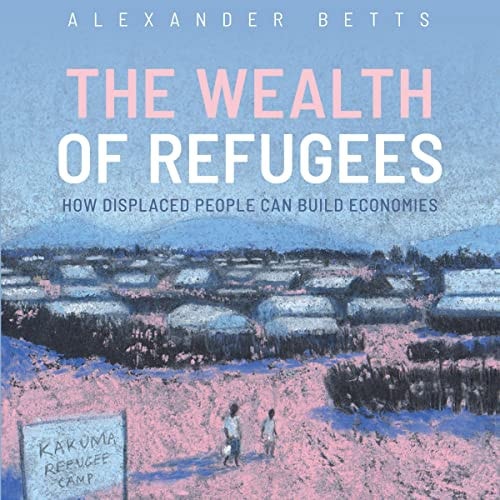
We live in an age of displacement. Refugee numbers are increasing due to a proliferation of fragile states, and this problem will be exacerbated by climate change and the impact of COVID-19. And yet, rising populist nationalism has undermined the political willingness of rich countries to accept migrants and asylum seekers. Given these contradictory trends, how can we create sustainable refugee policies that enable displaced people to live in safety and dignity, while operating at scale? The Wealth of Refugees draws upon a decade of original qualitative and quantitative research to offer practical solutions. Focusing on refugees in camps and cities in Africa, it identifies approaches that can be effective in improving the welfare of refugees, increasing social cohesion between refugees and host communities, and reducing the need for onward migration. The book argues that the key lies in unlocking the potential contributions of refugees themselves. Refugees bring skills, talents, and aspirations and can be a benefit rather than a burden to receiving societies. Realizing this potential relies upon moving beyond a purely humanitarian focus to fully include refugees in host-country economies, build economic opportunities in refugee-hosting regions, and navigate the ambiguous politics of refugee protection.
Menrva's Summary
THE THESIS
The book investigates how host countries can transition from viewing refugees as a humanitarian burden to recognizing them as economic contributors capable of fostering local development. Alexander Betts, a professor of forced migration and international affairs, utilizes a decade of field research across Africa to challenge traditional aid-centric models. He argues that by integrating displaced populations into local labor markets and providing legal rights to work, host nations can improve social cohesion and economic stability for both refugees and host communities.
THE SCOPE MAP
What You Will Find
- Analysis of refugee economic integration in African camps and urban centers
- Frameworks for shifting from humanitarian aid to economic inclusion policies
- Strategies for navigating the political tensions of refugee protection
Scope Limits
- Does not provide a comprehensive global policy manual for every geopolitical context
- Does not focus on the legal intricacies of asylum processing in Western nations
THE AUTHORITY PERSPECTIVE
Experts in international development and migration policy cite this work as a significant contribution to the shift toward self-reliance models in refugee management. Readers frequently note the balance between rigorous academic data and accessible, actionable policy recommendations for practitioners in the field.
Page Count:
448
Publication Date:
2021-01-01
Publisher:
OUP Oxford
ISBN-10:
0192643665
ISBN-13:
9780192643667
Economics
Sociology
International relations
Immigration
Public Policy
Community Tags
Other Editions(2)
Similar Books