The Comic Body in Ancient Greek Theatre and Art, 440-320 BCE
0
0
As an Amazon Associate and affiliate partner, Menrva Books earns from qualifying purchases. Learn more
Author Description
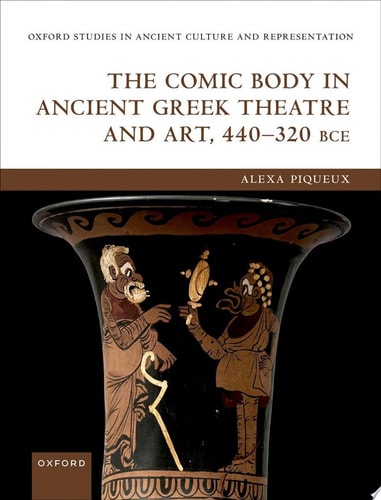
Using both textual and iconographic sources, this richly illustrated book examines the representations of the body in Greek Old and Middle Comedy, how it was staged, perceived, and imagined, particularly in Athens, Magna Graecia, and Sicily. The study also aims to refine knowledge of the various connections between Attic comedy and comic vases from South Italy and Sicily (the so-called 'phlyax vases'). After introducing comic texts and comedy-related vase-paintings in the regional contexts, The Comic Body in Ancient Greek Theatre and Art, 440-320 BCE considers the generic features of the comic body, characterized as it is by a specific ugliness and a constant motion. It also explores how costumes —masks, padding, phallus, clothing, accessories— and gestures contribute to the characters' visual identity in relation with speech: it analyzes the cultural, social, aesthetic, and theatrical conventions by which spectators decipher the body. This study thus leads to a re-examination of the modalities of comic mimesis, in particular when addressing sexual codes in cross-dressing scenes which reveal the artifice of the fictional body. It also sheds light on how comic poets make use of the scenic or imaginary representations of the bodies of those who are targets of political, social, or intellectual satire. There is a particular emphasis on body movements, where the book not only deals with body language and the dramatic function of comic gesture, but also with how words confer a kind of poetic and unreal motion to the body.
Menrva's Summary
THE THESIS
This study investigates how the physical body was represented, staged, and perceived within the context of Greek Old and Middle Comedy between 440 and 320 BCE. Alexa Piqueux, a specialist in ancient theatre, synthesizes textual evidence from dramatic scripts with iconographic data from vase paintings to construct a framework for understanding comic mimesis. The book argues that the comic body functioned as a deliberate construct of artifice, defined by specific aesthetic conventions, exaggerated physical traits, and a unique relationship between movement and speech.
THE SCOPE MAP
What You Will Find
- Analysis of Attic comedy and South Italian/Sicilian 'phlyax' vase paintings
- Examination of costume elements including masks, padding, and the phallus
- Investigation into the role of gesture and body language in dramatic performance
- Exploration of cross-dressing and sexual codes in theatrical satire
Scope Limits
- The study is strictly limited to the period between 440 and 320 BCE
- It focuses primarily on the visual and physical representation of the body rather than purely linguistic analysis
THE AUTHORITY PERSPECTIVE
Scholars recognize this work as a significant contribution to the study of ancient performance art, particularly for its integration of visual and textual evidence. Readers frequently note the academic density of the prose, which serves as a rigorous resource for classicists and theatre historians.
Page Count:
384
Publication Date:
2022-01-01
Publisher:
OUP Oxford
ISBN-10:
0192660330
ISBN-13:
9780192660336
History
Art History
Theatre History
Literary Criticism
Ancient Greece
English
English & College Success
Community Tags
Other Editions(3)

Similar Books