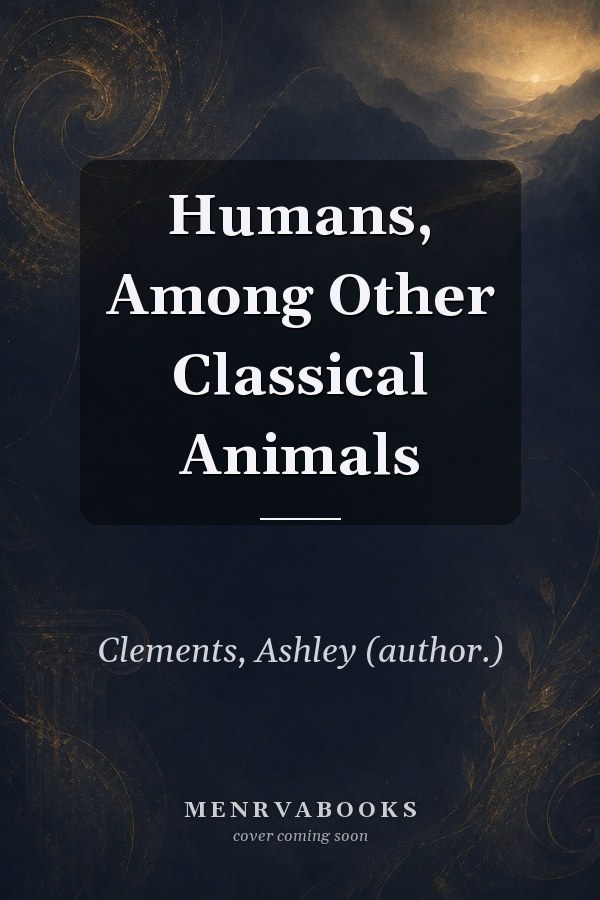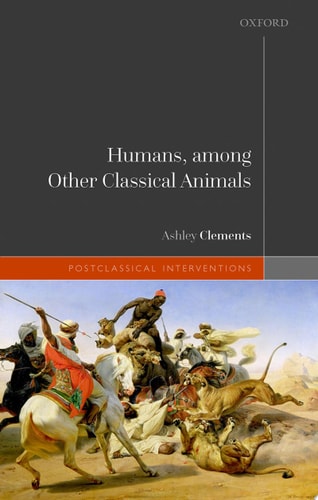
Humans, among Other Classical Animals
0
0
As an Amazon Associate and affiliate partner, Menrva Books earns from qualifying purchases. Learn more
Author Description
We are living in a moment of environmental and existential crisis that demands a response. Why then study Classics now? From the European assimilation and destruction of the New World to our present environmental destruction of our shared world, Humans, among Other Classical Animals explores in encounters an answer by demonstrating how the Classics have been implicated in the structures of thought that have ultimately led us to our present historical moment. Telling the story of anthropology's Classical entanglements from its inception to its growth to critical self-awareness, it demonstrates that Classical ideas have played a crucial -and often deleterious- role in the Western placing of the human and in the discipline that claimed the study of humanity as its own. Responses to our present crisis, it argues, should therefore include as a prerequisite, considering the origins and implications of these Classical foundations because only by so doing can we attain the full self-awareness necessary to think beyond them and consider the alternatives we now need. Postclassical Interventions aims to reorient the meaning of antiquity across and beyond the humanities. Building on the success of Classical Presences, this complementary series features shorter-length monographs designed to provoke debate about the current and future potential of Classical Reception through fresh, bold, and critical thinking.
Menrva's Summary
THE THESIS
This book investigates how Classical antiquity has shaped the Western conceptualization of the human and contributed to the structures of thought driving current environmental and existential crises. Ashley Clements, a scholar in the field of Classical reception, examines the historical entanglements between the discipline of anthropology and the study of the Classics. The author argues that these foundational ideas have often functioned in deleterious ways, necessitating a critical re-evaluation of our intellectual history to foster the self-awareness required to imagine alternative futures.
THE SCOPE MAP
What You Will Find
- An analysis of the historical intersection between Classical studies and the development of anthropology.
- A critique of how Western thought has utilized Classical frameworks to justify colonial and environmental exploitation.
- A methodological approach to deconstructing the influence of antiquity on modern human identity.
Scope Limits
- The text focuses primarily on Western intellectual history and does not provide a comprehensive global survey of all anthropological traditions.
- It is a concise monograph rather than an exhaustive historical encyclopedia of the field.
THE AUTHORITY PERSPECTIVE
Experts identify this work as a provocative contribution to the Postclassical Interventions series, noted for its critical stance on the legacy of the humanities. Readers frequently highlight the text's dense, academic prose and its utility for scholars interested in the intersection of environmental ethics and classical reception.
Page Count:
160
Publication Date:
2021-01-01
Publisher:
OUP Oxford
ISBN-10:
0192668684
ISBN-13:
9780192668684
Philosophy
History
English
Civilization
Anthropology
English & College Success