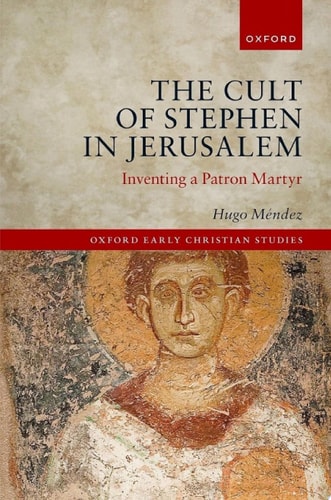
The Cult of Stephen in Jerusalem: Inventing a Patron Martyr
0
0
As an Amazon Associate and affiliate partner, Menrva Books earns from qualifying purchases. Learn more
Author Description
As the site of only a small and obscure Christian population between 135 and 313 CE, Jerusalem witnessed few instances of anti-Christian persecution. This fact became a source of embarrassment to the city in late antiquity-a period when martyr traditions, relics, and shrines were closely intertwined with local prestige. At that time, the city had every incentive to stretch the fame of its few, apostolic martyrs as far as possible-especially the fame of the biblical St. Stephen, the figure traditionally regarded as the first Christian martyr (Acts 6-8). What the church lacked in the quantity of its martyrs, it believed it could compensate for in an exclusive, local claim to the figure widely hailed as the "Protomartyr", "firstborn of the martyrs", and "chief of confessors" in contemporary sources. This book traces the rise of the cult of Stephen in Jerusalem, exploring such historical episodes as the fabrication of his relics, the construction of a grand basilica in his honour, and the multiplication of the saint's feast days. It argues that local church authorities promoted devotion to Stephen in the fifth century in a conscious attempt to position him as a patron saint for Jerusalem-that is, a symbolic embodiment of the city's Christian identity and power.
Menrva's Summary
THE THESIS
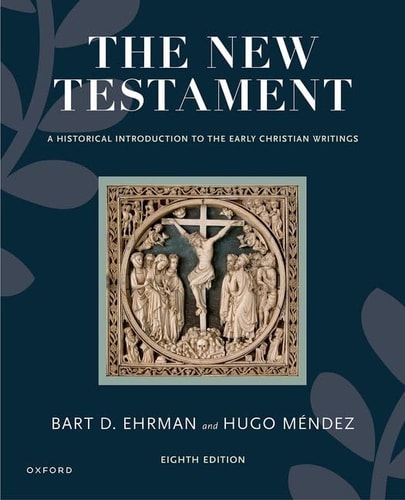
This book investigates how the church in Jerusalem strategically constructed and promoted the cult of Saint Stephen to bolster the city's religious prestige during late antiquity. Hugo Méndez, a scholar of early Christianity, utilizes historical records, architectural evidence, and ecclesiastical texts to argue that the veneration of Stephen was a calculated effort by local authorities. By transforming the biblical figure into a local patron saint, the church sought to compensate for the city's lack of a significant martyr tradition during the Roman period.
THE SCOPE MAP
What You Will Find
- Analysis of the 5th-century development of the Stephen cult in Jerusalem
- Examination of the fabrication and promotion of Stephen's relics
- Study of the construction and symbolic significance of the basilica dedicated to Stephen
- Investigation into the multiplication of feast days as a tool for institutional identity
Scope Limits
- The text does not provide a comprehensive biography of the historical Stephen
- The analysis is primarily focused on the Jerusalem context rather than the broader Mediterranean spread of the cult
THE AUTHORITY PERSPECTIVE
Scholars recognize this work as a rigorous examination of the intersection between hagiography and local political identity in the early church. Readers frequently note the academic density of the prose and the author's meticulous use of primary source evidence to support his claims.
Page Count:
189
Publication Date:
2022-01-01
Publisher:
OUP Oxford
ISBN-10:
019266249X
ISBN-13:
9780192662491
History
Religion
Church History
Bible
Christianity
Hagiography
Community Tags
Similar Books