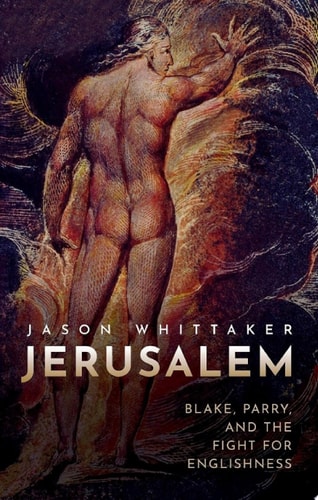
Jerusalem: Blake, Parry, and the Fight for Englishness
0
0
As an Amazon Associate and affiliate partner, Menrva Books earns from qualifying purchases. Learn more
Author Description
The stanzas beginning, 'And did those feet' are among the most famous works written by the Romantic poet and artist, William Blake. Set to music by Hubert Parry in 1916 and renamed, 'Jerusalem', this hymn has become an emblem of Englishness in the past century, and is regularly invoked at sporting events, public and private ceremonies, and, of course, as part of Last Night of the Proms. Yet when Blake first engraved his lines in his epic work, Milton a Poem, he had been tried for sedition. Likewise, although Parry was commissioned to compose his music as part of the war effort by the organization Fight for Right, he soon removed permission for that group to perform his hymn and instead gave the copyright to the women's suffrage movement. 'Jerusalem', then, is a much more contested vision of England's green and pleasant land than is often assumed. This book traces the history of the poem and the music from Blake's original verses, written in Felpham, via the turmoil of the First and Second World Wars, its recording history in the late twentieth century, and its use in political controversies such as the 2016 Brexit vote. An anthem for both the left and the right, Blake's own vision of what it meant to build Jerusalem in England is both strange and familiar to many who invoke it. As such, this book explores the deep complexities of what Englishness means into the twenty-first century.
Menrva's Summary
THE THESIS
This book investigates the historical evolution and cultural appropriation of William Blake’s poem 'Jerusalem' and Hubert Parry’s subsequent musical setting to determine how they became contested symbols of English identity. Jason Whittaker, a scholar of Romanticism and Blake, utilizes archival research and cultural analysis to demonstrate that the hymn’s meaning has been fluid, shifting from its origins in Blake’s radical sedition trial to its adoption by diverse political factions. The text argues that the anthem serves as a mirror for the changing, often contradictory, definitions of Englishness throughout the twentieth and twenty-first centuries.
THE SCOPE MAP
What You Will Find
- A chronological history of the poem from its 1804 inception in 'Milton a Poem' to its modern usage in the Brexit era.
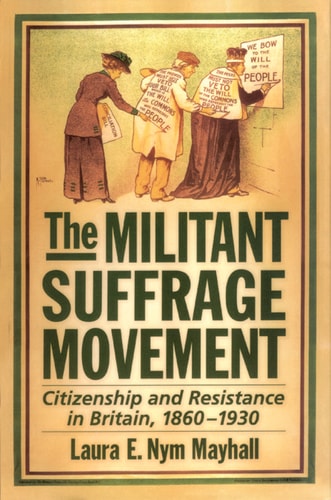
- Analysis of Hubert Parry’s shifting political allegiances, including his support for the women's suffrage movement.
- Examination of the hymn's role in the First and Second World Wars and its presence in contemporary sporting and political events.
Scope Limits
- The book does not provide a comprehensive biography of William Blake beyond his relationship to the specific verses in question.
- It does not offer a technical musicological analysis of Parry’s composition, focusing instead on the cultural reception of the work.
THE AUTHORITY PERSPECTIVE
Scholars and cultural historians recognize this work as a definitive account of how a single piece of art can be repurposed to serve opposing political ideologies. Readers frequently note the meticulous research and the author's ability to navigate the complex intersection of literary history and national identity.
Page Count:
512
Publication Date:
2022-01-01
Publisher:
OUP Oxford
ISBN-10:
0192660837
ISBN-13:
9780192660831
History
Biography
Literary Criticism
Music History
English
English & College Success
British History
Community Tags
Similar Books