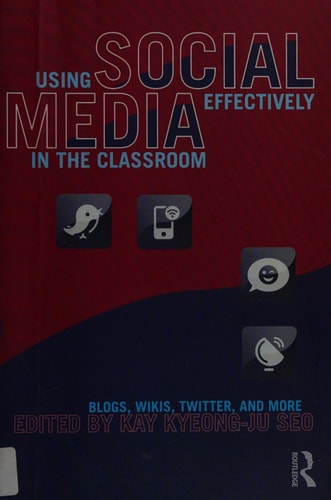
Using Social Media Effectively in the Classroom: Blogs, Wikis, Twitter, and More
0
0
As an Amazon Associate and affiliate partner, Menrva Books earns from qualifying purchases. Learn more
Author Description
The rapid expansion of blogs, Twitter, wikis, and virtual worlds has dramatically transformed the landscape of education. Through highly accessible networks, these new media can integrate students into a learning community by enabling them to create, customize, and share content online. Using Social Media Effectively in the Classroom shows educators how to: utilize social media to best support learners resolve potential problems create a powerful sense of community within user-centered Web 2.0 technologies. Moving beyond basic explanations of technologies and how to use them, this book provides research-based, jargon-free, practical examples of what works, what doesn't, and why when it comes to social media. Organized according to the systematic process of instructional design, contributors describe innovative strategies for incorporating social media into educational settings as well as significant issues to be taken into consideration at each phase of planning, designing, teaching, and evaluation.
Menrva's Summary
THE THESIS
This book investigates how educators can leverage emerging social media platforms to enhance student engagement and foster learning communities. The author, Kay Kyeong-Ju Seo, draws on research-based, practical examples to guide educators in effectively integrating tools like blogs, wikis, and Twitter into their teaching. It addresses how to utilize these technologies to support learners, resolve potential problems, and build a strong sense of community within user-centered Web 2.0 environments. The content is organized according to the systematic process of instructional design, offering strategies for planning, designing, teaching, and evaluating the use of social media in educational settings.
THE SCOPE MAP
- Strategies for integrating blogs, wikis, Twitter, and virtual worlds into educational settings.
- Practical, research-based examples of successful and unsuccessful social media implementation.
- Guidance on resolving potential problems associated with using social media in the classroom.
- Methods for creating a powerful sense of community through user-centered Web 2.0 technologies.
- A framework organized by the systematic process of instructional design.
- Considerations for planning, designing, teaching, and evaluating social media integration.
THE AUTHORITY PERSPECTIVE
The book is presented as a practical guide for educators seeking to harness the power of social media in their classrooms. It aims to move beyond basic technological explanations by offering concrete, jargon-free examples derived from research. The structure, aligned with instructional design principles, suggests a focus on systematic implementation and evaluation of these digital tools for enhanced learning.
Page Count:
224
Publication Date:
2013-01-01
Publisher:
Routledge
ISBN-10:
0415896800
ISBN-13:
9780415896801
Science & Technology
Non-Fiction
Technology
Education
Instructional Design
Community Tags
Similar Books