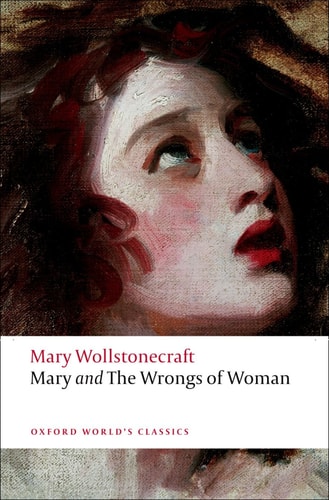
Mary and the Wrongs of Woman
0
0
As an Amazon Associate and affiliate partner, Menrva Books earns from qualifying purchases. Learn more
Author Description
Both of Wollstonecraft's novels criticize what she viewed as the patriarchal institution of marriage and its deleterious effects on women. In her first novel, Mary: A Fiction, the eponymous heroine is forced into a loveless marriage for economic reasons; she fulfills her desire for love and affection outside of marriage with two passionate romantic friendships, one with a woman and one with a man. Maria: or, The Wrongs of Woman novel published posthumously and often considered Wollstonecraft's most radical feminist work, revolves around the story of a woman imprisoned in an insane asylum by her husband; like Mary, Maria also finds fulfillment outside of marriage, in an affair with a fellow inmate and a friendship with one of her keepers. Neither of Wollstonecraft's novels depict successful marriages, although she posits such relationships in the Rights of Woman.
Menrva's Summary
THE PULSE
The central conflict arises from the systemic entrapment of women within the patriarchal institution of marriage, which forces protagonists to seek autonomy and affection outside of societal norms. The narrative follows the experiences of Mary and Maria, two women navigating restrictive social structures that prioritize economic stability over personal agency. Through their struggles, the text examines the logical constraints of 18th-century law and custom, which effectively render women property of their husbands. The narrative framework utilizes these character arcs to critique the lack of legal and social recourse available to women facing domestic confinement or loveless unions.
INSIDE THE PAGES
- Critique of the patriarchal marriage institution
- Exploration of romantic friendships as alternatives to traditional marriage
- Depiction of institutional confinement in asylums
- Focus on female autonomy and intellectual independence
- Posthumous publication context
- Radical feminist thematic underpinnings
- Contrast between societal expectations and personal fulfillment
- Examination of the legal status of women in the 18th century
THE COLLECTIVE ECHO
Discussion often centers on the radical nature of Wollstonecraft's critique regarding the legal and social subjugation of women during the late 18th century. Readers frequently highlight the stark contrast between the author's philosophical treatises and the raw, narrative exploration of these themes within her fiction. Critics often examine how the protagonists' attempts to find fulfillment outside of marriage serve as a direct challenge to the prevailing moral standards of the era. The work is widely recognized for its uncompromising stance on the necessity of female independence and the inherent flaws in the domestic structures of the time. Scholars continue to analyze the text as a foundational element in the development of feminist literary theory.
Page Count:
131
Publication Date:
1991-01-01
Publisher:
Oxford University Press
ISBN-10:
019281527X
ISBN-13:
9780192815279
Social Commentary
Historical
Feminist
Philosophical
classic
Community Tags
Other Editions(3)

Similar Books