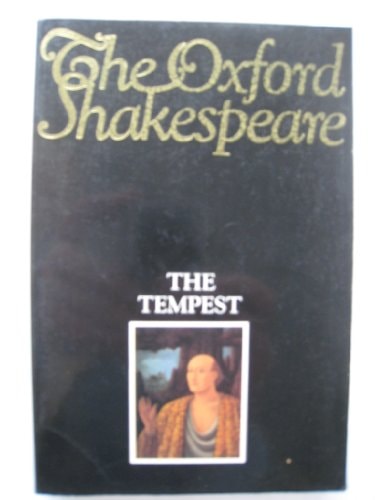
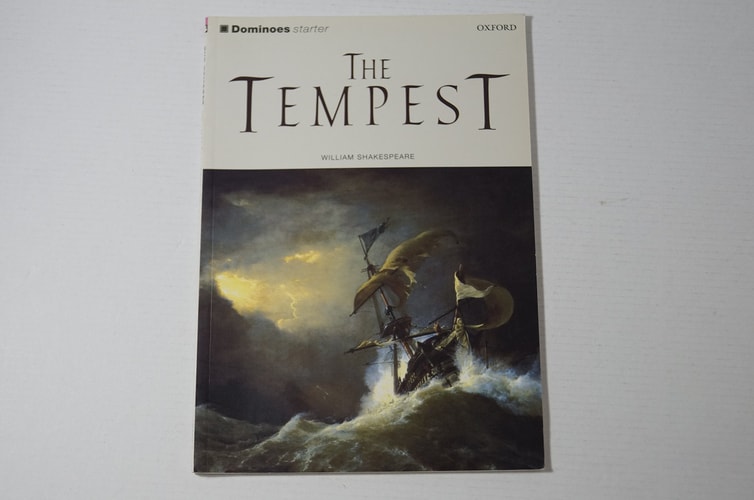
The Tempest
0
0
As an Amazon Associate and affiliate partner, Menrva Books earns from qualifying purchases. Learn more
Author Description
Though written near the end of his career, The Tempest stands first in Shakespeare's First Folio of 1623. Recently redefined by modern criticism as a romance, the play has been read as an escapist fantasy, a political allegory, and a celebratory fiction. Most often, however, The Tempest is interpreted as a summary of Shakespeare's view of his own art of playwriting. In this edition, Stephen Orgel reassesses the evidence for each of these critical speculations, and finds the play to be both more open and more historically determined than traditional views have allowed. The text has been newly edited, and includes a stage history of its production, from the radical revisions of Davenant, Dryden, and Shadwell to the recent stagings of Peter Hall, Jonathan Miller, and Peter Brook.
Menrva's Summary
THE PULSE
After a violent storm shipwrecks his enemies on a remote island, the exiled sorcerer Prospero orchestrates a complex plan of revenge and reconciliation. Prospero, the former Duke of Milan, utilizes his magical command over the island's spirits to manipulate the survivors of the wreck, including his usurping brother and the King of Naples. His objective is to secure a future for his daughter, Miranda, while navigating the conflicting demands of his vengeful impulses and his desire for restoration. The narrative unfolds through a series of staged encounters and illusions, testing the moral resolve of the castaways within the confined, supernatural geography of the island.
INSIDE THE PAGES
- Five-act dramatic structure
- Use of iambic pentameter and prose
- Supernatural elements and spirit characters
- Themes of colonialism and political power
- Exploration of art and theatrical illusion
- Complex character dynamics between master and servant
- Integration of music and masque sequences
- Non-linear revelation of backstory
THE COLLECTIVE ECHO
Discussion often centers on the play's status as a meta-theatrical commentary on the nature of authorship and performance. Readers frequently highlight the ambiguity of Prospero's morality, debating whether his actions constitute genuine redemption or continued manipulation. Critics often examine the work through the lens of colonial history, noting how the island serves as a site for power struggles and cultural displacement. The play's atmospheric shift from initial chaos to a final, fragile harmony remains a primary focus for scholars analyzing Shakespeare's late-career stylistic choices.
Page Count:
258
Publication Date:
1987-12-31
Publisher:
Oxford University Press
ISBN-10:
0192814508
ISBN-13:
9780192814500
Fantasy
Drama
classic
Dramatic works
Play
Renaissance
Community Tags
Other Editions(7)

Similar Books



Reader Comments
Share Your Thoughts
No comments yet. Be the first to share your thoughts!