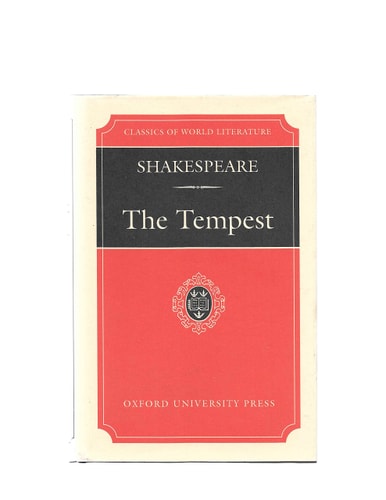
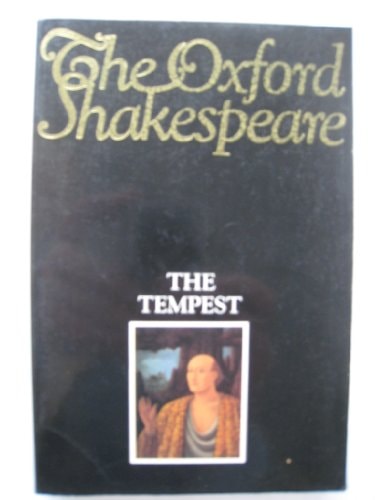
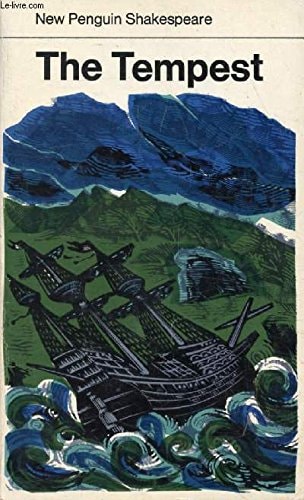
The Tempest
0
0
As an Amazon Associate and affiliate partner, Menrva Books earns from qualifying purchases. Learn more
Author Description
Though written near the end of his career, The Tempest stands first in Shakespeare's First Folio of 1623. Recently redefined by modern criticism as a romance, the play has been variously read as an escapist fantasy, a political allegory, and a celebratory fiction. Most often, however, The Tempest is interpreted as a summary of Shakespeare's view of his own art of playwriting. In this edition of the work, Stephen Orgel reassesses the evidence for each of these critical speculations, and finds the play to be both more open and more historically determined than traditional views have allowed. The text has been newly edited, and includes a stage history of its production, from the radical revisions of Davenant, Dryden, and Shadwell to the recent stagings of Peter Hall, Jonathan Miller, and Peter Brook.
Menrva's Summary
THE PULSE
Prospero, the exiled Duke of Milan, orchestrates a tempest to shipwreck his usurping brother and political rivals upon his enchanted island. Seeking to reclaim his lost status and secure a future for his daughter, Miranda, Prospero utilizes his mastery of magic to manipulate the survivors through illusions and spirits. He faces opposition from the treacherous Antonio, the vengeful Caliban, and the internal struggle of balancing his desire for retribution with the necessity of mercy. The narrative unfolds through a structured dramatic framework, utilizing soliloquies and dialogue to reveal the complex motivations of the island's inhabitants.
INSIDE THE PAGES
- Utilization of magical realism and supernatural elements to drive plot progression
- Exploration of colonial themes and the power dynamics between master and servant
- Use of the play-within-a-play structure to mirror the nature of theatrical performance
- Complex character archetypes representing wisdom, innocence, and primal instinct
- Integration of lyrical verse and prose to distinguish social classes and emotional states
- Focus on themes of forgiveness, reconciliation, and the relinquishing of power
- Symbolic representation of the island as a microcosm of the political world
- Strategic use of music and sound effects to enhance the atmosphere of the enchanted setting
THE COLLECTIVE ECHO
Discussion often centers on the play's ambiguous nature, with readers frequently debating whether it serves as a farewell to the stage or a critique of colonial expansion. Critics highlight the contrast between the ethereal spirit Ariel and the earthbound Caliban as a central tension that defines the island's power structure. The pacing is noted for its tight, classical structure that adheres to the unities of time and place, creating a concentrated experience. Readers frequently point to the final act as a pivotal moment of moral resolution that challenges traditional interpretations of justice and authority.
Page Count:
258
Publication Date:
1987-06-11
Publisher:
Oxford University Press
ISBN-10:
0198129173
ISBN-13:
9780198129172
Drama
Fantasy
Plays
New Used & Rental Textbooks
classic
Shakespeare
Renaissance
Dramas & Plays
Community Tags
Other Editions(7)

Similar Books



Reader Comments
Share Your Thoughts
No comments yet. Be the first to share your thoughts!