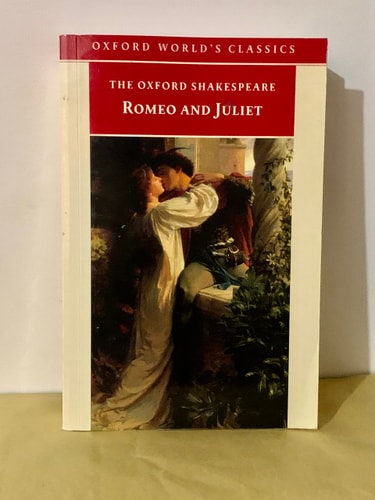
Romeo and Juliet
0
0
As an Amazon Associate and affiliate partner, Menrva Books earns from qualifying purchases. Learn more
Author Description
This innovative edition of one of Shakespeare's most beloved plays offers modernized texts not only of the 1599 quarto but also of the short, or "bad" quarto of 1597, regarding each as witness to a "mobile text" which changed in composition as Shakespeare wrote it and which has continued to evolve throughout its richly varied history, both in the theatre and in film, television, opera, and ballet. The more familiar 1599 text is accompanied by a detailed explanatory commentary. The Introduction traces the Romeo and Juliet narrative from its origins in myth through its adaptation in the novella, and shows how Shakespeare's transmutation of the story reflects contemporary concerns with love, death, adolescence, and patriarchism.
Menrva's Summary
THE PULSE
A long-standing feud between the Montague and Capulet families erupts into violence, forcing two young lovers to navigate a path toward union amidst the threat of death. Romeo and Juliet seek to reconcile their private affection with the rigid social and familial expectations of Verona. Their objective is to maintain their bond despite the external pressures of patriarchal authority and ancestral hatred. The narrative framework utilizes a dramatic structure, relying on dialogue and soliloquy to advance the plot toward its inevitable conclusion. The characters operate within a world governed by honor codes and the volatile nature of public and private identity.
INSIDE THE PAGES
- Use of iambic pentameter and blank verse
- Exploration of the conflict between individual desire and familial duty
- Deployment of dramatic irony to heighten tension
- Symbolism centered on light and dark imagery
- Examination of the role of fate versus human agency
- Inclusion of comic relief through secondary characters
- Focus on the rapid escalation of events within a short timeframe
- Analysis of the social structures of Renaissance Verona
THE COLLECTIVE ECHO
Discussion often centers on the play's portrayal of adolescent impulsivity and the destructive nature of unchecked societal conflict. Readers frequently highlight the linguistic precision of the verse and the way Shakespeare balances lyrical romanticism with stark, violent reality. Critics often examine the play's historical evolution, noting how interpretations of the central characters have shifted across centuries of performance. The work remains a primary subject for analysis regarding the intersection of personal autonomy and institutional power structures. Scholars and audiences alike continue to debate the extent to which the tragedy is driven by external fate versus the specific choices made by the protagonists.
Page Count:
464
Publication Date:
2000-09-07
Publisher:
Oxford University Press
ISBN-10:
0192814966
ISBN-13:
9780192814968
Drama
Romance
Tragedy
Renaissance
classic
Play
Dramatic works
Community Tags
Other Editions(12)
Oxford University Press España, S.A.
2016
Default edition
OUP Oxford
2012
Oxford University Press
2012

Sterling Signature
2012
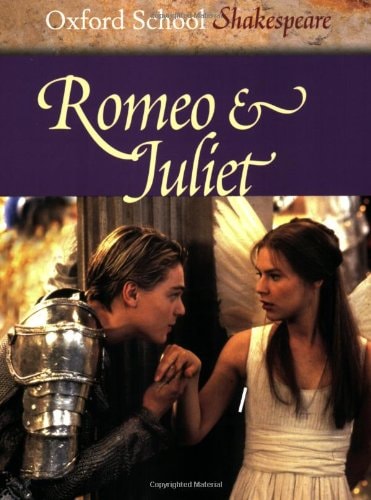
Oxford University Press
2005
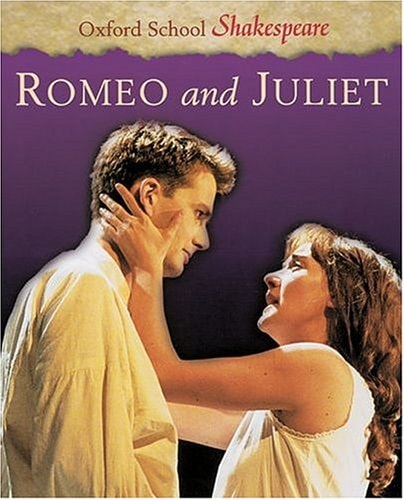
Oxford University Press
2001

Oxford University Press
2001
Oxford University Press
2000
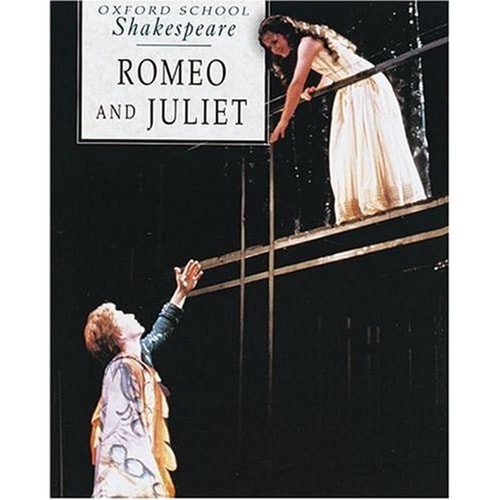
Oxford University Press
1994
Oxford University Press
1975

Oxford University Press
1947
Oxf.U.P.
1900
Similar Books

Reader Comments
Share Your Thoughts
No comments yet. Be the first to share your thoughts!