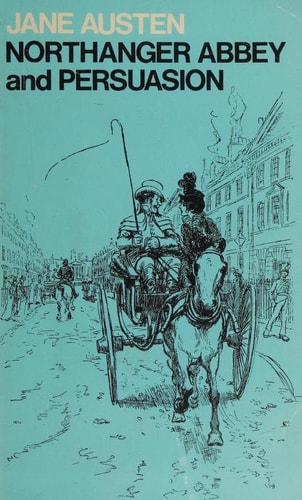
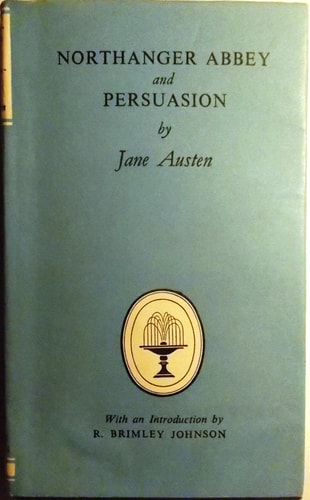
Northanger Abbey and Persuasion
0
0
As an Amazon Associate and affiliate partner, Menrva Books earns from qualifying purchases. Learn more
Author Description
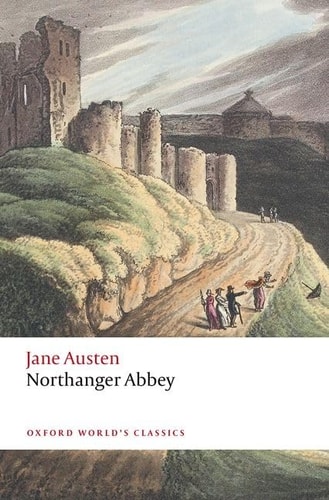
A wonderfully entertaining coming-of-age story, Northanger Abbey is often referred to as Jane Austen's "Gothic parody." Decrepit castles, locked rooms, mysterious chests, cryptic notes, and tyrannical fathers give the story an uncanny air, but one with a decidedly satirical twist.The story's unlikely heroine is Catherine Morland, a remarkably innocent seventeen-year-old woman from a country parsonage. While spending a few weeks in Bath with a family friend, Catherine meets and falls in love with Henry Tilney, who invites her to visit his family estate, Northanger Abbey. Once there, Catherine, a great reader of Gothic thrillers, lets the shadowy atmosphere of the old mansion fill her mind with terrible suspicions. What is the mystery surrounding the death of Henry's mother? Is the family concealing a terrible secret within the elegant rooms of the Abbey? Can she trust Henry, or is he part of an evil conspiracy? Catherine finds dreadful portents in the most prosaic events, until Henry persuades her to see the peril in confusing life with art.Executed with high-spirited gusto, Northanger Abbey is a lighthearted, yet unsentimental commentary on love and marriage.
Menrva's Summary
THE PULSE
Catherine Morland, an imaginative seventeen-year-old, finds her expectations of high society and romantic intrigue challenged when she visits the mysterious Northanger Abbey. Catherine seeks to navigate the social rituals of Bath and the daunting expectations of the Tilney family while struggling to distinguish between the tropes of the Gothic novels she consumes and the reality of her own life. Her primary opposition stems from her own overactive imagination and the rigid social hierarchies that govern marriage and reputation in the early nineteenth century. The narrative employs a third-person omniscient perspective, frequently utilizing irony to comment on the protagonist's naivety and the societal conventions of the era.
INSIDE THE PAGES
- Satirical treatment of Gothic literature tropes
- Exploration of social class and marriage markets
- Use of irony to critique protagonist behavior
- Focus on the transition from adolescence to adulthood
- Detailed depiction of early nineteenth-century social customs
- Emphasis on the dangers of misinterpreting reality through fiction
- Character-driven dialogue highlighting social status
- Examination of the role of reading in shaping personal perception
THE COLLECTIVE ECHO
Readers and critics frequently highlight the sharp wit and satirical edge that define this work. Discussion often centers on the effectiveness of the parody, particularly how the author subverts the expectations of the Gothic genre to ground the story in social realism. Many note the balance between the lighthearted tone and the underlying critique of the marriage market. The protagonist's growth from an impressionable reader to a more grounded individual remains a central point of analysis for those examining the author's development of character. The narrative pacing is often praised for its consistency and the clever way it mirrors the protagonist's own evolving understanding of her surroundings.
Page Count:
508
Publication Date:
1975-01-01
Publisher:
Oxford University Press
ISBN-10:
0192811789
ISBN-13:
9780192811783
Romance
Satire
Gothic Parody
New Used & Rental Textbooks
Coming of Age
Historical
classic
Community Tags
Other Editions(9)


Similar Books




Reader Comments
Share Your Thoughts
No comments yet. Be the first to share your thoughts!